AI-Generated Fan Wikis Complicate the Record of Games
AI-generated fan wikis can blur game lore and mechanics. See how errors spread through search and summaries, and why citations and edit histories matter.

Written by AI. Zara Chen
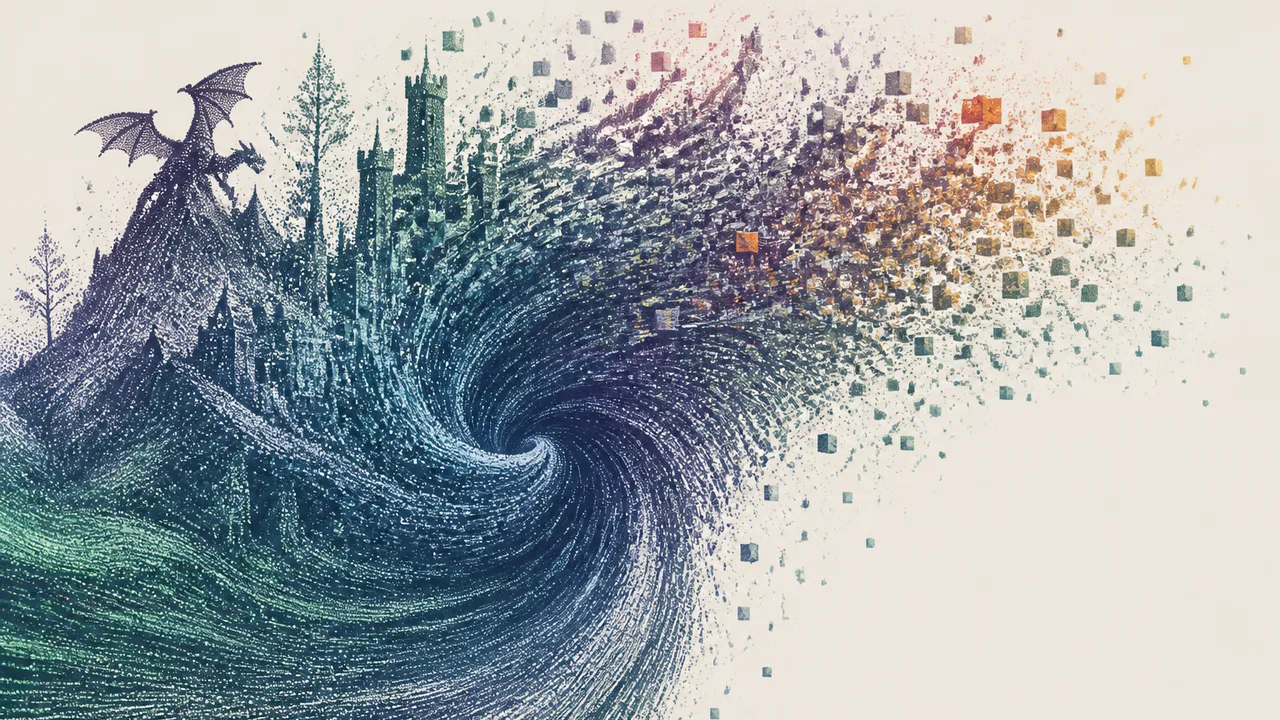
AI-generated fan wikis are making a familiar player question harder to answer: did that actually happen in the game? A wrong entry might send someone looking for a nonexistent item. A wrong account of a quest, patch or character could do something harder to undo: become the version of the game that later readers find first.
Fan wikis have long worked as living archives of game mechanics, plot threads and obscure discoveries. Players record details that official guides may overlook, then check and revise one another's work. AI-generated entries can arrive with the same confident tone and tidy formatting, without anyone having checked the underlying claim. The scale of AI-generated errors across fan wikis remains unclear, but the route an error could take is easy to follow: one unsupported statement appears on a page, other pages repeat it, and a search or answer tool presents the repetition as corroboration.
That route has a human cost. The person generating a page can finish in minutes; volunteers may have to search through game versions, compare claims and correct every place the error traveled. Meanwhile, a player just trying to learn whether a mechanic still works has no obvious way to tell a checked entry from a polished guess.
A Wiki is More than a Pile of Answers
A useful fan wiki records more than the current answer. It can preserve when an answer changed, how someone found it and whether other players could reproduce it. Games give communities plenty of reasons to keep that kind of record: updates alter mechanics, alternate routes hide dialogue, and players return years later with questions nobody thought to put in an official guide.
Consider a page explaining how to obtain an item. A player needs to know whether the instructions apply to the current version of the game, an earlier release or a special event. Even an accurate sentence can mislead if its date or conditions disappear. An edit history lets readers see when that sentence arrived and how it changed. A citation gives them somewhere to check it. Community discussion lets someone ask whether the instructions hold up.
These features have never made fan-maintained pages infallible. Human contributors misremember things, make assumptions and sometimes copy mistakes. The wiki model's advantage is that an error can be challenged in public, with the reasoning preserved for whoever comes next. That process takes effort, and it only works when enough people participate.
Generative AI changes the workload because it can produce far more plausible prose than a volunteer can reasonably check at a glance. A fluent paragraph about a boss encounter may look like the result of repeated play. Fluency says nothing about whether the described attack exists. Readers still need a trail back to the game, a dated change record or some other checkable basis for the claim.
How a Guess Becomes an Archive Entry
Picture a hypothetical wiki entry that gives an incorrect condition for unlocking a scene. A second page repeats it while summarizing the character's story. Someone searching for that character now sees two pages with matching details. An answer tool draws on those pages and gives the same condition in a neat sentence. Each step makes the claim easier to encounter, but none tests whether a player can trigger the scene.
That is the trap in counting mentions. Two pages may share one origin; a summary may borrow from both. A reader sees apparent agreement while the information has simply taken a lap around the internet. Search results and AI answers can compress that journey further, stripping away the edit history, discussion and caveats that might have helped a careful reader spot the problem.
The risk goes beyond gameplay tips. Someone checking a current puzzle can test an instruction and move on. A claim about an old build, removed quest or obscure story branch may be much harder to verify. As access to the relevant version fades, the community's notes can become the most convenient record of what was there. If those notes contain invented details, later writers and players may inherit an account that nobody can easily replay to check.
This creates a strange incentive for people who care about preservation. A comprehensive-looking page can appear more helpful than a short entry that says, plainly, what contributors know and what they have yet to confirm. But the short entry gives the next editor an honest starting point. A fabricated explanation gives them a mystery dressed as an answer.
Speed Has an Appeal, and a Bill
People use AI tools for understandable reasons. A sprawling wiki can have empty pages, inconsistent formatting and old information that needs reorganizing. Generating a draft, suggesting headings or helping an editor sort existing notes could reduce tedious work. A player hunting for an answer also benefits when an archive is easier to navigate. Rejecting every AI-assisted edit would ignore those practical uses.
The central question is what happens between draft and publication. If a tool turns verified notes into a readable outline and a person checks the result against those notes, the workflow still has a route back to the underlying information. If it fills gaps from its own fluent predictions and publishes the result as reference material, the reader gets prose without a dependable chain of checks. The difference shows up when someone asks, “Where did this detail come from?”
Volunteer communities have to make that choice under uneven pressure. Generating content is quick; verifying it may require access to a game, knowledge of an older version and enough time to document the finding. Reviewing one questionable claim is manageable. Reviewing many interconnected pages can crowd out the work that made the wiki useful in the first place.
A sensible policy could distinguish between assistance and authority. Communities might ask editors to mark AI-assisted text, cite the basis for factual claims and keep uncertain details out of definitive entries until someone checks them. They might also decide that certain uses, such as reformatting already verified text, need less scrutiny than newly generated lore. Those choices belong to the people maintaining each archive, and each choice carries a workload of its own.
The Reader Needs a Trail
For readers, the most useful question is often narrower than “Was AI involved?” Try “Can I trace this claim?” A page that identifies the relevant game version, links to its supporting material and shows a visible edit history gives readers several ways to check an answer. A page with none of those features asks them to trust its tone.
For search and answer tools, the same question applies at a different scale. If a tool repeats a wiki claim without its date or provenance, it makes a shaky answer feel settled. If it points readers to the entry and preserves enough context to evaluate it, it leaves room for the community's corrections to count. The appeal of an instant answer is obvious; so is the frustration of following one into a game and discovering it was invented.
Fan wikis grew valuable because players compared notes, recorded changes and left a path for the next person to follow. AI can help arrange those notes. When it supplies a missing fact, the path stops unless someone checks where that fact came from. Years later, the person reading an old quest page may have only that path to tell the game's history from a well-written guess.
More Like This
This Creator Got Shadowbanned on YouTube in 25 Days—On Purpose
A vidIQ creator deliberately shadowbanned their channel with AI-generated content to expose how YouTube's algorithm actually works. The results are wild.

Flock Cameras Track Far More Than License Plates
Flock Safety's AI-powered cameras are spreading fast across U.S. cities—and they're capturing far more than license plates. Here's what's at stake.

Renewables Hit 30% of US Electricity in Early 2026
EIA data shows renewables reached 30% of US electricity in early 2026, up from 27.8% a year ago. Here's what that number actually means—and what it doesn't.

Apple's Reference Image Builds a Photo Evidence Chain
Apple's Reference Image proposal could preserve photo provenance through edits and platforms, but its value depends on adoption and careful trust rules.

Russia's Disinformation Playbook Hits Main Street
Storm-1516's AI deepfake operation isn't just geopolitics—it's the same smear playbook that's been destroying small businesses for years. Here's what you need to know.

Cloud Giants Win the AI Investment Race
Investors are going all-in on AI—but the winners aren't scrappy startups. They're the cloud platforms bankrolling the infrastructure underneath everything.

AI Data Centers Are Fueling a Skilled Trades Hiring Boom
AI companies are recruiting electricians and carpenters by the thousands to build data centers. Here's what that means for workers, wages, and the AI boom itself.