BuzzRAG Daily Digest — 2026-11-27

Curated by AI. Callum Pierce
Today’s mix moves from a volcano emerging above cloud on Russia’s Kamchatka Peninsula to new approaches for making AI computing less energy-intensive. Also in focus: a reported data exposure, possible job cuts, the cost of renting in Birmingham, and ideas spanning software, music and astronomy.
Clouds Ring Kamchatka’s Shiveluch Volcano
A band of cloud wrapped around the flanks of Shiveluch on Russia’s Kamchatka Peninsula, while the volcano’s summit caldera remained visible. The striking contrast puts the mountain’s restless upper reaches in view even as weather obscures much of the surrounding landscape.
The image is a reminder of how satellite observation can make remote, active volcanic regions legible from above. Clouds can hide changes at lower elevations, but a clear window around a summit may still offer researchers and observers a useful look at the terrain. The supplied report does not describe a new eruption or provide an alert level, so the view should not be read as evidence of an immediate hazard. Shiveluch is among Kamchatka’s active volcanoes, and monitoring its activity depends on combining visual observations with other measurements. For now, the headline is atmospheric as much as geological: a moment when cloud cover frames, rather than entirely conceals, the volcano.
Using Light to Tackle AI’s Energy-Hungry Calculations
German company Q.ANT is pursuing a different way to run some of the calculations behind AI models: using waves of light rather than relying entirely on conventional electronic processing. The ambition is to reduce the energy required for demanding workloads, a growing concern as AI systems scale and data centers shoulder more computation.
Photonic computing uses optical signals to perform operations that would otherwise be handled by electronic circuits. The approach is attracting interest because light can move quickly and, in some designs, perform calculations with lower energy use. But a promising component or demonstration is not the same as a widely deployable AI platform. Practical performance depends on the full system, including how data is converted between optical and electronic formats, how reliably results are produced, and whether the technology can be manufactured and integrated at scale. The key question for Q.ANT will be whether its chips can deliver measurable efficiency gains on useful workloads, not simply whether light can do the calculations.
An Idea for AI Agents That Coordinate in Group Chats
A post titled “The group chat where your AI talks behind your back” points toward a design question for AI assistants: what happens when several agents communicate with one another in a shared space, rather than responding to a person one at a time? The linked page is the source surfaced by the trend feed, but the available listing provides no description of its implementation or claims.
The premise touches on a broader shift in AI interfaces, from single assistants toward systems that can delegate tasks, exchange updates and coordinate work. A group-chat format could make those interactions easier to inspect, but it also raises questions about who can see the conversation, what information agents share, and how users remain in control when automated systems act on their behalf. Without details from the post, it is not possible to assess how the proposed setup handles privacy, permissions or errors. Those are the practical tests that will determine whether multi-agent chat is a useful interface or simply a more complicated layer between people and their tools.
Password-Service Incident Exposes Customer Contact Details
A reported incident involving 1Password exposed customers’ names and email addresses, while the supplied headline says their password vaults were safe. The company’s full root-cause analysis is still expected in the coming weeks, leaving important questions about how the exposure happened and what systems were affected unanswered for now.
The distinction between contact details and vault contents matters: a report that names and emails were exposed is not the same as evidence that stored credentials or encrypted vault data were accessed. Still, personal details can make users more vulnerable to convincing phishing attempts, especially messages that imitate a service they trust. Customers should be cautious with unsolicited requests to sign in, reset a password or share verification codes, and should use the service’s official channels to check for updates. The forthcoming analysis will need to clarify the scope, timeline and safeguards involved. Until those details are available, the safest account of the incident is the limited one supported by the report: contact information was exposed, and the vaults are described as safe.
SAP Reportedly Weighs Major Cuts as It Refocuses on AI
Bloomberg reports that German software company SAP is weighing job cuts of at least 10,000 as it reshapes its business around artificial intelligence. The wording is significant: the company is considering reductions, not announcing that the cuts have been approved or begun. The report frames the deliberations as part of a wider strategic push toward AI.
For employees, the possibility raises immediate concerns about which roles could be affected and how quickly any changes might occur. For the company, the challenge is to pursue new products and operating efficiencies without losing the expertise needed to maintain and evolve its existing software business. The available report summary does not specify timing, departments or whether voluntary programs are under consideration, so those details should not be assumed. The story also reflects a broader tension in the technology sector: companies are investing heavily in AI while reassessing staffing and costs. Any eventual plan will be judged both by its promised gains and by how clearly SAP explains the effects on its workforce and customers.
Laura Cannell’s Seasonal Release, “Winter Rites”
The Quietus has a feature or review titled “Laura Cannell – Winter Rites,” bringing the composer and performer’s work into a seasonal listening conversation. The feed supplies an image listing but no excerpt describing the recording, its instruments, track list or the article’s critical verdict, so those details cannot be responsibly filled in here.
The title places the release in a winter setting, a context that can shape how listeners approach music as the days shorten and seasonal rituals come into view. But a title alone does not establish the sound or themes of the work; the value of the full article is in the listening notes and analysis it provides. For readers, this item is a pointer to a music publication’s coverage rather than a report of a broader industry development. The next useful details are the review’s account of the music itself: how Cannell builds its atmosphere, what distinguishes this release from earlier work, and whether the seasonal framing is central to the listening experience or simply a point of entry.
Making Formal Verification More Practical for Programmers
A blog post argues for a formally verifiable programming language that could be used in mainstream software development. The available listing includes the post’s title and link, but no summary of its proposed language or the author’s specific recommendations. At its core, the subject is how to make stronger guarantees about what programs do without making those guarantees inaccessible to everyday developers.
Formal verification uses mathematical techniques to check whether software satisfies stated properties. It can be valuable where failures are costly, but the effort and specialized knowledge required have limited its routine use in many projects. A language designed with verification in mind could make some checks easier to express and maintain; it would still need good tools, approachable workflows and a path to fit into existing codebases. The central trade-off is not simply rigor versus convenience. It is whether a development environment can make correctness easier to establish without slowing ordinary work to a halt. The post’s detailed case will matter: which guarantees it targets, what it asks programmers to learn, and how it handles the complexity of real software.
NASA’s “The Moon Watchers” Looks Skyward
NASA’s Astronomy Picture of the Day for November 27 is titled “The Moon Watchers.” The daily feature pairs an astronomy image with an explanation written by a professional astronomer, inviting readers to look closely at a scene from the cosmos. The supplied listing does not include the image or its accompanying explanation, so the specific subjects and setting remain unclear.
The title suggests a connection between observers and the Moon, but the image itself is needed to establish what is shown and how the feature interprets it. APOD’s format offers more than a striking picture: its short expert commentary can provide context, explain the science behind an observation and point readers toward further discovery. That combination makes the daily entry accessible to casual sky-watchers while retaining an educational purpose. The details to look for in the full feature are what the image captures, where or how it was made, and what the astronomer’s explanation reveals. For today, the title sets a simple invitation to turn attention from everyday concerns toward the night sky.
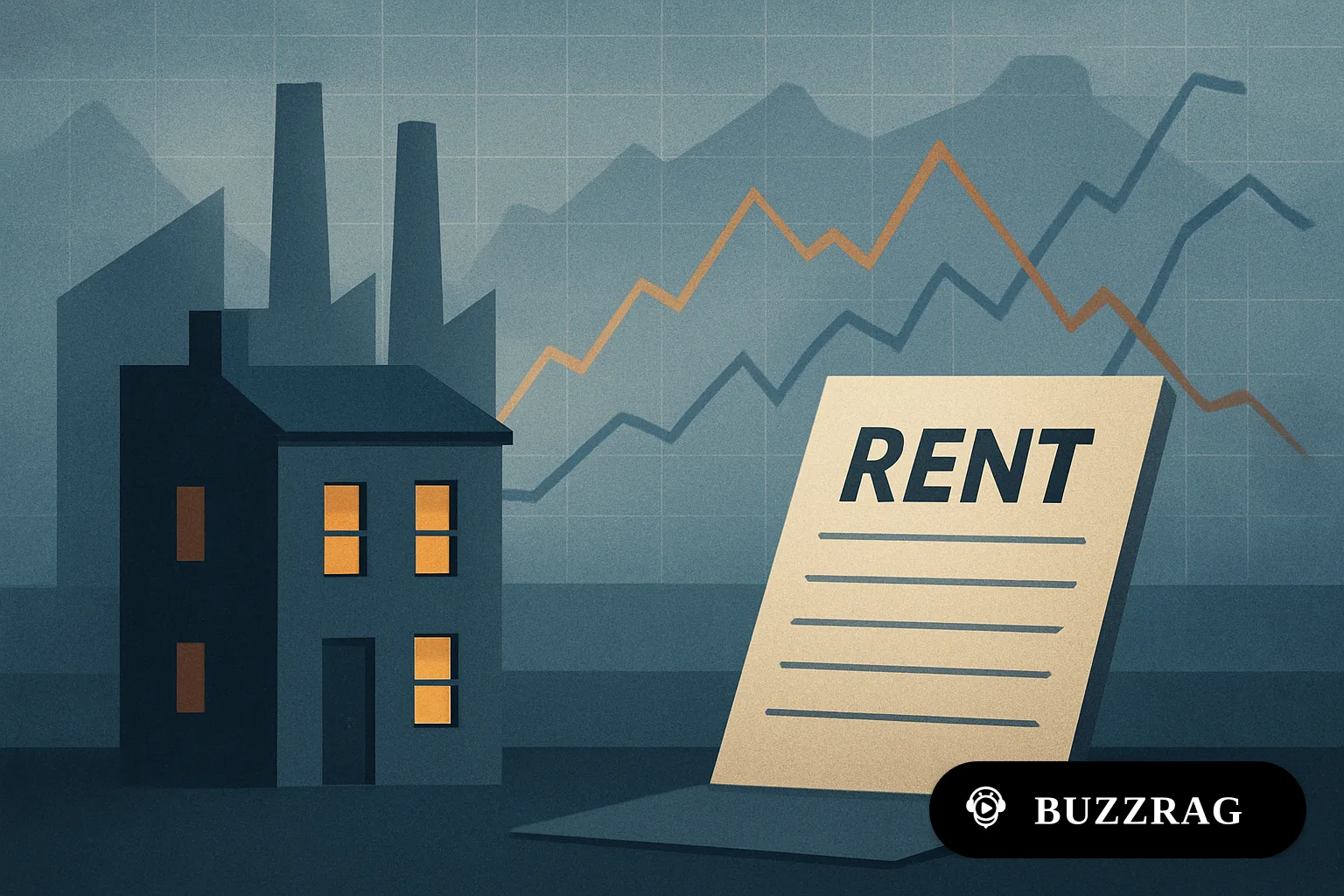
The next developments to watch are concrete ones: whether photonic computing can prove its efficiency in practice, what the security review establishes, and whether SAP’s reported plans become formal decisions. Meanwhile, the sky and the city both offer their own stories—one in a volcano’s brief opening through cloud, the other in what residents pay to live at home.