BuzzRAG Daily Digest — 2026-06-08

Curated by AI. Callum Pierce
As summer peaks, energy concerns rise in Texas with data centers failing reliability tests, threatening power stability. Meanwhile, Europe intensifies its shift away from American technology, and a historical look at the World Cup highlights its political influences.
Texas Grid Faces Challenges Amid Summer Demands
As Texas braces for peak summer electricity demand, several large data centers and cryptocurrency facilities have failed key voltage reliability tests. This development, reported by Reuters, raises concerns about potential power outages across the state. Unlike traditional industries, these facilities have unpredictable electricity consumption patterns, complicating grid management.
The failures come at a critical time when electricity use is expected to soar, putting additional strain on Texas' power infrastructure. The state's grid operator has flagged these risks, highlighting the challenges of integrating new, high-demand facilities while maintaining grid stability. The situation underscores the need for robust infrastructure planning as more data-heavy operations look to Texas for expansion.
Observers are keenly watching how the state will address these challenges, especially given past issues with grid reliability during extreme weather conditions. The outcome could set precedents for managing similar situations as the digital economy's energy demands grow.
Exploring the World Cup's Historical and Political Impact
A compelling podcast series dives into the World Cup's rich history, exploring how the sport has been intertwined with global politics. Former US soccer player Merritt Mathias, alongside journalists Musa Okwonga and Julio Ricardo Varela, navigates through instances where football has transcended sports, becoming a tool for political maneuvering.
The series not only recounts iconic matches but also examines the geopolitical forces at play, offering insights into how the World Cup has influenced and been influenced by world events. The podcast also probes into the financial backers of Reform UK, shedding light on the intersection of sports, politics, and finance.
Listeners are invited to consider the broader implications of these narratives, reflecting on how sports can serve as a reflection of societal dynamics. The podcast promises to spark conversations about the future role of sports in global diplomacy and cultural exchange.
Europe's Strategic Shift from American Tech Giants
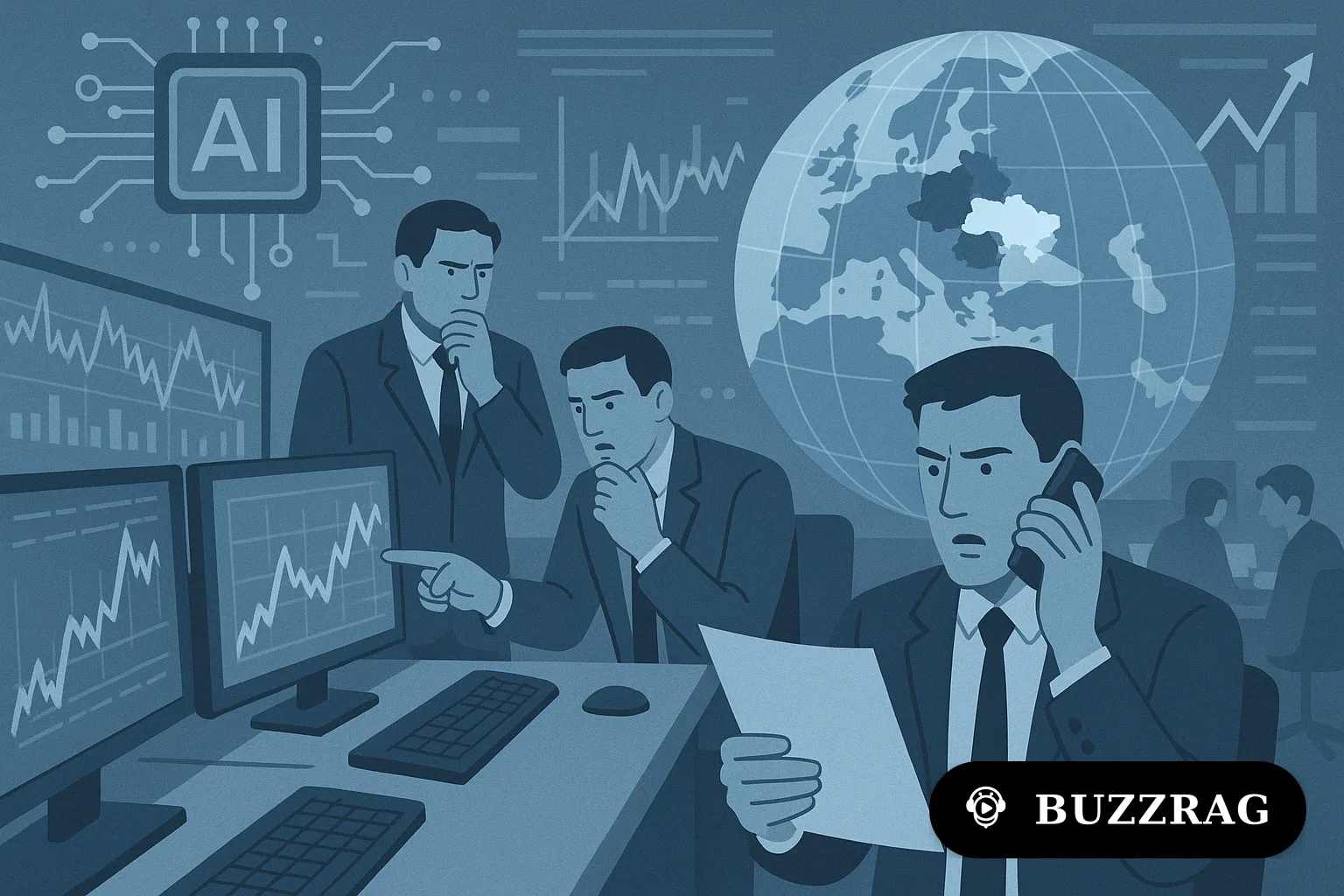
A growing trend sees European nations and companies progressively distancing themselves from US technology. A comprehensive timeline by WIRED illustrates this shift, with various governments and businesses seeking alternatives to American tech solutions.
The move is driven by concerns over data privacy, sovereignty, and the desire to foster local innovations. European entities are increasingly investing in homegrown technologies and platforms, aiming to reduce dependency on American tech giants. This transition is part of broader efforts to establish a competitive technological landscape independent of US influence.
As this trend gains momentum, it could significantly alter the global tech landscape, prompting US companies to reassess their strategies in Europe. The developments are closely monitored by policymakers and industry leaders, who are evaluating the long-term impacts on international trade and digital governance.
Examining the Cultural Phenomenon of Cannibalism
The topic of cannibalism, despite its taboo nature, continues to intrigue and disturb. A recent article delves into this dark aspect of culture, examining its historical and social contexts. While cannibalism is often associated with survival scenarios or ancient rituals, its depiction in media and literature fuels ongoing fascination.
The piece explores various instances where cannibalism intersects with human behavior and societal norms, challenging readers to confront their preconceived notions. It raises questions about morality, humanity, and the extremes of survival instinct. The article also looks at how fictional portrayals shape public perception, sometimes overshadowing real historical accounts.
As the discussion unfolds, it becomes a springboard for broader conversations about human nature and cultural taboos. Such explorations remind us of the complex tapestry of human civilization, where even the most unsettling topics have a place in understanding our past and present.
Remembering Richard Scolyer
The scientific community mourns the loss of Richard Scolyer, whose contributions to medical research have left an indelible mark. Known for his pioneering work in pathology, Scolyer's efforts advanced our understanding of cancer diagnostics and treatment.
Throughout his career, Scolyer was celebrated for his commitment to research excellence and his mentorship of young scientists. His work not only improved clinical outcomes but also inspired a generation of researchers to pursue innovations in medicine. His passing has prompted an outpouring of tributes from colleagues and institutions worldwide, reflecting the deep impact of his work.
As the field continues to evolve, Scolyer's legacy endures through the ongoing projects and partnerships he helped establish. His contributions will continue to influence medical research and inspire those who follow in his footsteps, ensuring a lasting impact on the fight against cancer.
As global dynamics shift, the intersection of energy, technology, and culture reflects broader societal trends. The developments we track today could shape tomorrow's landscapes, making now a crucial time for strategic foresight and adaptability.