BuzzRAG History Desk — 2026-06-08

Curated by AI. Eleanor Vance, History & Ideas Editor
Today, we traverse the intersections of past and present, from the philosophical upheavals in ancient Greece to the lasting footprint of Neandertal genetics on our immune systems. We also delve into archaeological debates on Atlantis and the cosmic vision of new telescopes.
Unpacking 1873: A Year of Financial Crisis
Liaquat Ahamed's '1873' offers a profound exploration of a year marked by economic upheaval, drawing parallels to contemporary financial uncertainties. The book examines how the Panic of 1873, triggered by over-speculation and the collapse of major banks, reshaped global economies and influenced modern financial systems.
Ahamed's narrative underscores the cyclical nature of financial crises, emphasizing the interconnectedness of global markets—a lesson increasingly relevant in today's volatile economic climate. By dissecting historical financial mechanisms, Ahamed invites readers to reflect on the robustness of current economic policies and the perennial threat of market instability.
Neanderthal Legacy on Human Immunity
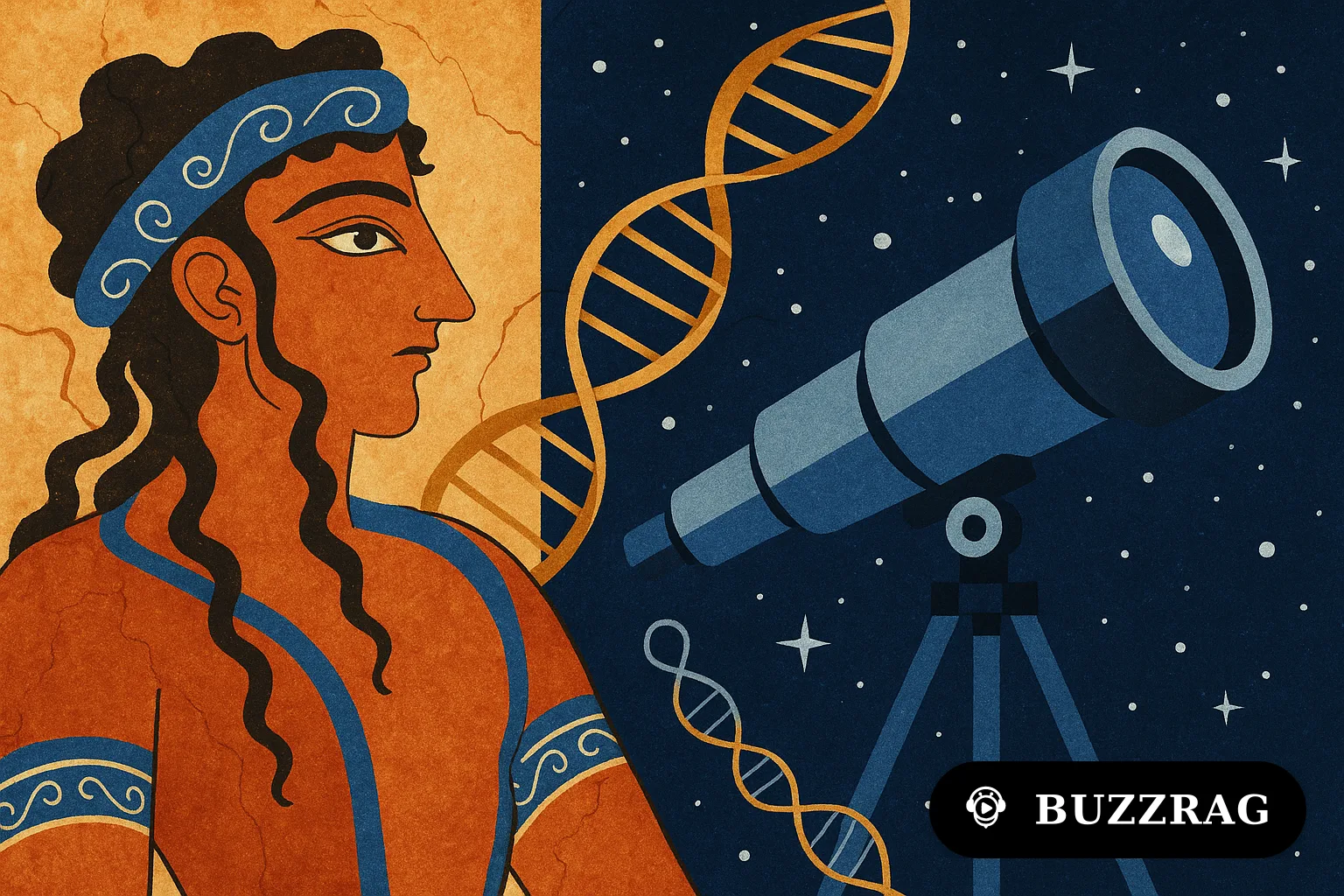
Recent research reveals that Neanderthal ancestry plays a more significant role in shaping our immune responses than previously understood. These ancient genes influence how our bodies react to viruses, which account for a substantial portion of the global disease burden.
The study highlights the complexity of genetic inheritance and its impact on modern health, challenging simplistic notions of human evolution. This genetic legacy prompts a reevaluation of how we understand ancient human interactions and their long-term biological effects, reshaping narratives of human history and disease.
Atlantis: Myth, Legend, and Archaeological Pursuit
The enduring legend of Atlantis may find its roots in the real civilization of the Minoans, according to new archaeological and geological evidence. Scholars suggest that the catastrophic eruption of Thera (Santorini) inspired Plato's tale of a lost city, blending myth with historical events.
This narrative invites us to reconsider how ancient disasters influenced cultural stories, offering insights into how societies process and mythologize cataclysmic events. The search for Atlantis continues to captivate, bridging the gap between mythological imagination and geological reality.
Mega-Telescopes and the Quest to Uncover Cosmic Origins
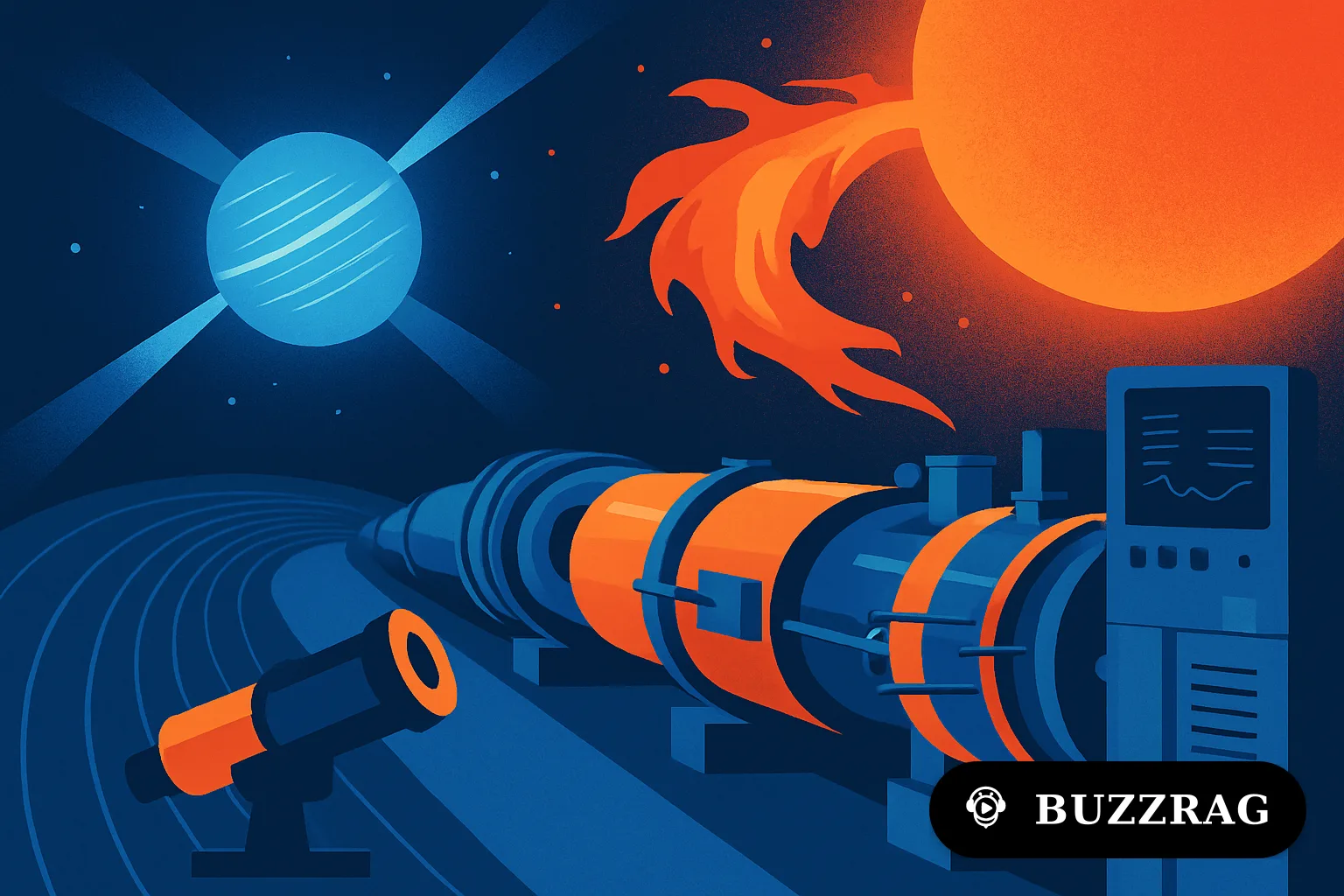
The Hubble Space Telescope revolutionized our understanding of the universe, and now, new telescopes like the James Webb aim to peer even further back in time. These astronomical instruments are pivotal in exploring the origins of galaxies, stars, and potentially life itself.
The advancements in telescope technology reflect humanity's enduring quest to comprehend the cosmos, pushing the boundaries of what we know and how we visualize the universe. As these tools reveal more about our cosmic past, they also inspire questions about the future of space exploration and our place within it.
Speusippus and Platonism's Philosophical Evolution
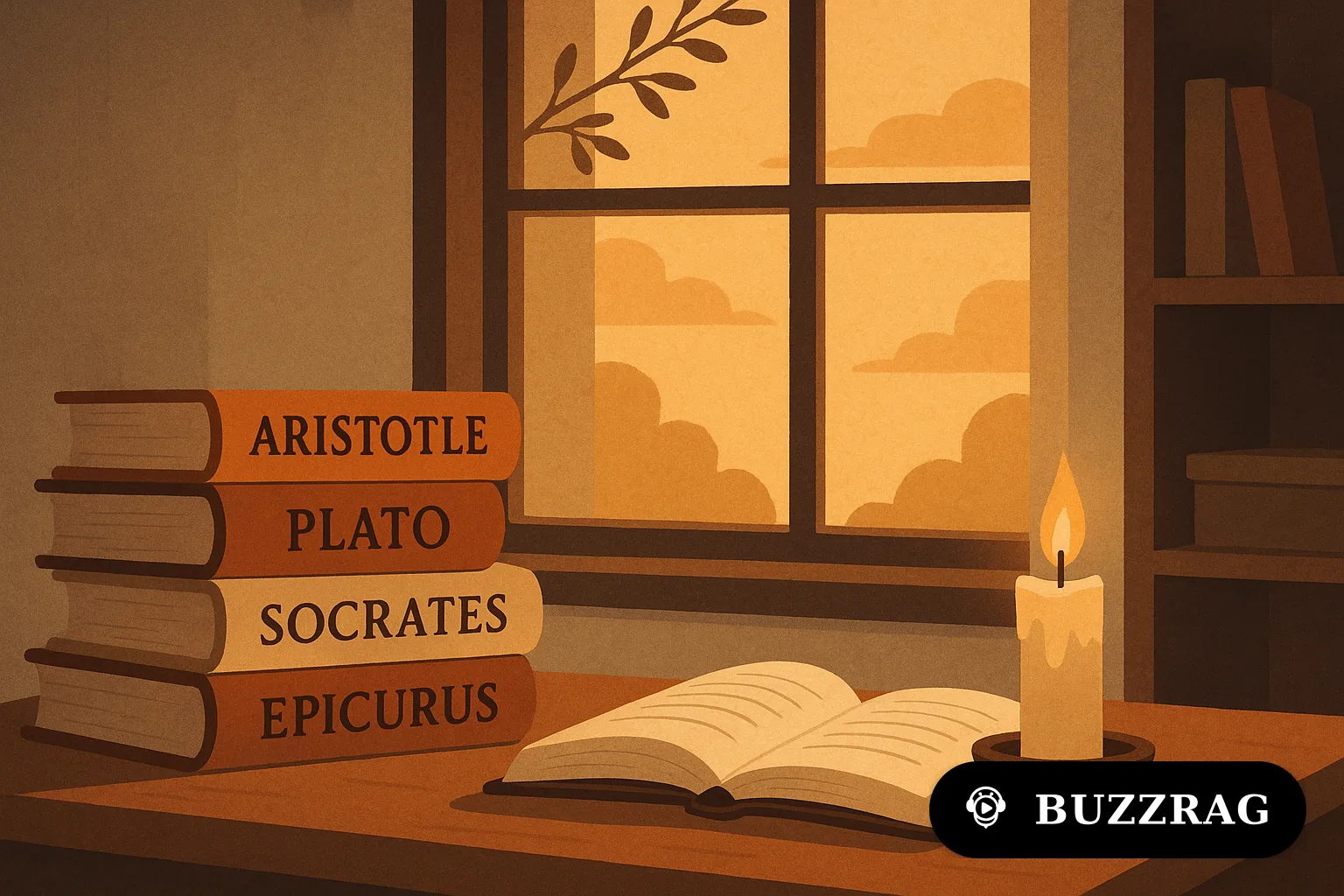
The philosophical contributions of Speusippus, Plato's nephew, present a fascinating challenge to the foundational doctrines of Platonism. Dr. Justin Sledge's seminar delves into how Speusippus's interpretations diverged from his uncle's teachings, sparking the first crisis of Platonism.
This intellectual shift highlights the dynamic nature of philosophical traditions and their capacity for internal critique and evolution. Understanding Speusippus's impact offers a broader perspective on the development of Western thought, emphasizing the role of debate and revision in philosophical progress.
As we continue to explore the depths of history and its impact on the present, these narratives remind us of the unbroken thread connecting past and future. Anticipate further discoveries and debates in these realms, as new evidence and perspectives emerge.