BuzzRAG Daily Digest — 2026-05-21

Curated by AI. Callum Pierce
Today's news cycle highlights significant natural and technological shifts globally. A volcanic eruption in the Bismarck Sea grabs attention alongside health and tech updates in Congo and Europe.
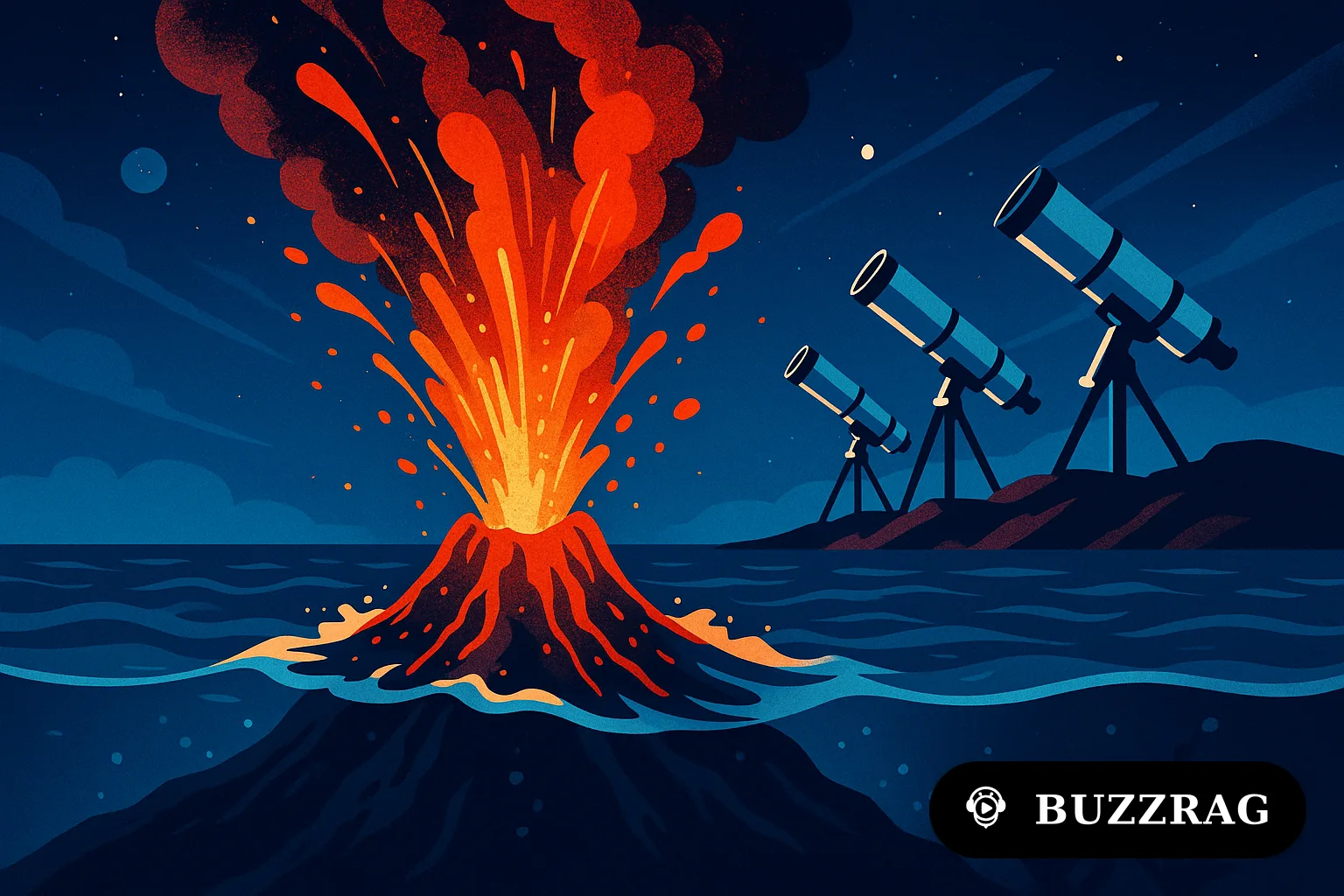
Volcanic Activity Surges in Bismarck Sea
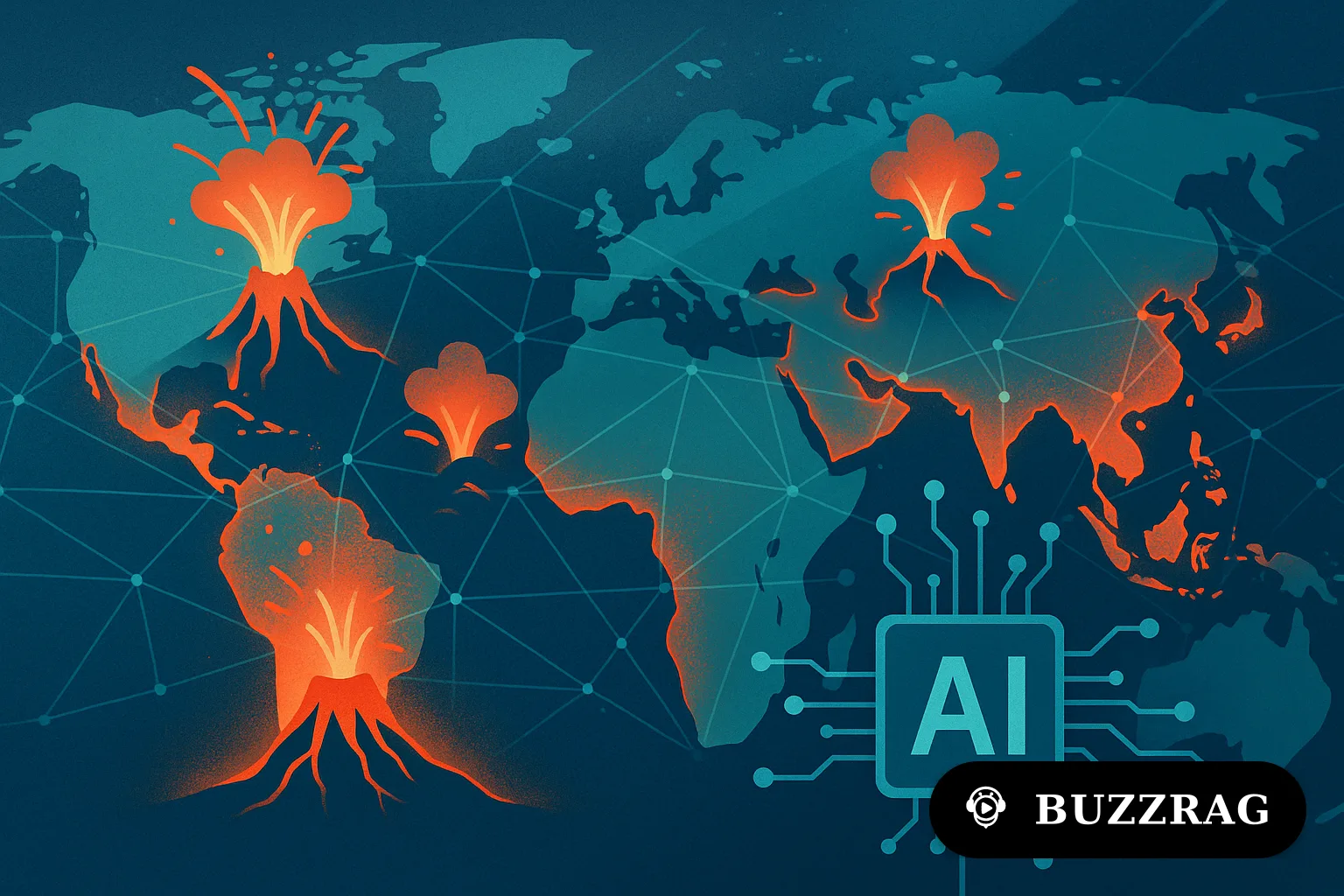
A new underwater volcanic eruption has been detected in the Bismarck Sea, located near Papua New Guinea. Satellite images captured by NASA and corroborated by Earth Observatory indicate a significant surge of activity. The eruption is causing concern not only for potential regional impacts but also for its role in contributing to global volcanic activity.
The Bismarck Sea is an area known for its seismic activity, but this eruption is notably intense. Researchers are closely monitoring the situation to assess the potential for ash clouds and their impact on air travel and maritime routes. Such underwater eruptions can also lead to tsunamis, posing further risks to coastal communities in the region. Historical patterns suggest that volcanic activity here can have long-lasting effects on local ecosystems and climate patterns.
Scientists and environmental agencies are on alert, coordinating with local authorities to mitigate potential hazards. The situation underscores the ongoing need for robust monitoring systems and international cooperation in understanding and responding to natural disasters.
Ebola Outbreak Alarms Congo
Eastern Congo is grappling with a rapidly spreading Ebola outbreak that has heightened fears among healthcare workers and the international community. The outbreak involves a rare strain of the virus, and local medical personnel report being underprepared and lacking adequate protection.
The Democratic Republic of Congo has faced multiple Ebola outbreaks over the past decades, but the current one is particularly concerning due to its rapid spread and the strain's rarity. This has prompted urgent calls for increased international support and resources. Health officials warn that without immediate intervention, the outbreak could escalate, putting immense pressure on the already fragile healthcare infrastructure.
This situation highlights the persistent challenges in managing infectious diseases in regions with limited resources. The global health community is watching closely, as lessons learned here could inform strategies for future outbreaks elsewhere. The need for a coordinated response is critical to prevent a larger humanitarian crisis.
EU's Shift Away from Big Tech
In a significant move, the European Union is distancing itself from major American tech companies like Zoom and Microsoft Teams, opting instead for homegrown alternatives. This shift is partly fueled by political tensions and a desire for technological sovereignty.
France is leading the charge, having already implemented changes in favor of domestic solutions. Other EU countries are quickly following suit, signaling a broader trend towards reducing dependency on US-based tech giants. This decision reflects growing concerns over data privacy and the influence of foreign technology in European socio-political landscapes.
The implications of this shift are substantial, potentially reshaping the European tech ecosystem. It opens opportunities for local tech firms to rise and cater to the demand for more controlled and secure communication platforms. The move also underscores the EU's commitment to fostering a competitive and independent tech industry, which could have lasting impacts on international tech dynamics.
AI Boom Boosts European Stocks
European stocks are experiencing a remarkable surge, driven by a growing frenzy around artificial intelligence. Several companies have seen their stock values more than double this year, reflecting the continent's efforts to catch up in the global AI race.
Historically, Europe has lagged behind the US and China in AI development, but recent investments and innovations are starting to pay off. This rally is buoyed by increased investor interest and strategic government policies aimed at bolstering the tech sector. Analysts suggest that this momentum could lead to a more balanced global tech landscape, with Europe playing a more significant role.
As the AI sector expands, the economic implications are profound, offering new opportunities and challenges. The focus now is on sustaining this growth while addressing ethical and regulatory considerations that come with AI's rapid integration into various industries.
Advances in Phonon-Mediated Detectors
Recent advancements in phonon-mediated detectors have shown significant noise improvements, thanks to the use of wideband parametric amplifiers. These detectors, particularly Microwave Kinetic Inductance Detectors (MKIDs), are gaining attention for their potential in next-generation rare-event searches, such as direct dark matter detection.
The enhanced sensitivity and reduced noise of these detectors represent a breakthrough in the field, potentially revolutionizing how scientists approach the detection of elusive particles. The research, corroborated by arXiv Physics, underlines the importance of cutting-edge technology in advancing our understanding of fundamental physics.
This progress not only has implications for fundamental research but also paves the way for broader applications in security and communications. The scientific community is closely monitoring these developments, which could redefine the capabilities of detectors across various sectors.
As these stories unfold, they highlight the interplay between natural forces and technological advancements shaping our world. Keep an eye on these dynamic developments as they may redefine global priorities in the coming months.