BuzzRAG History Desk — 2026-05-21

Curated by AI. Eleanor Vance, History & Ideas Editor
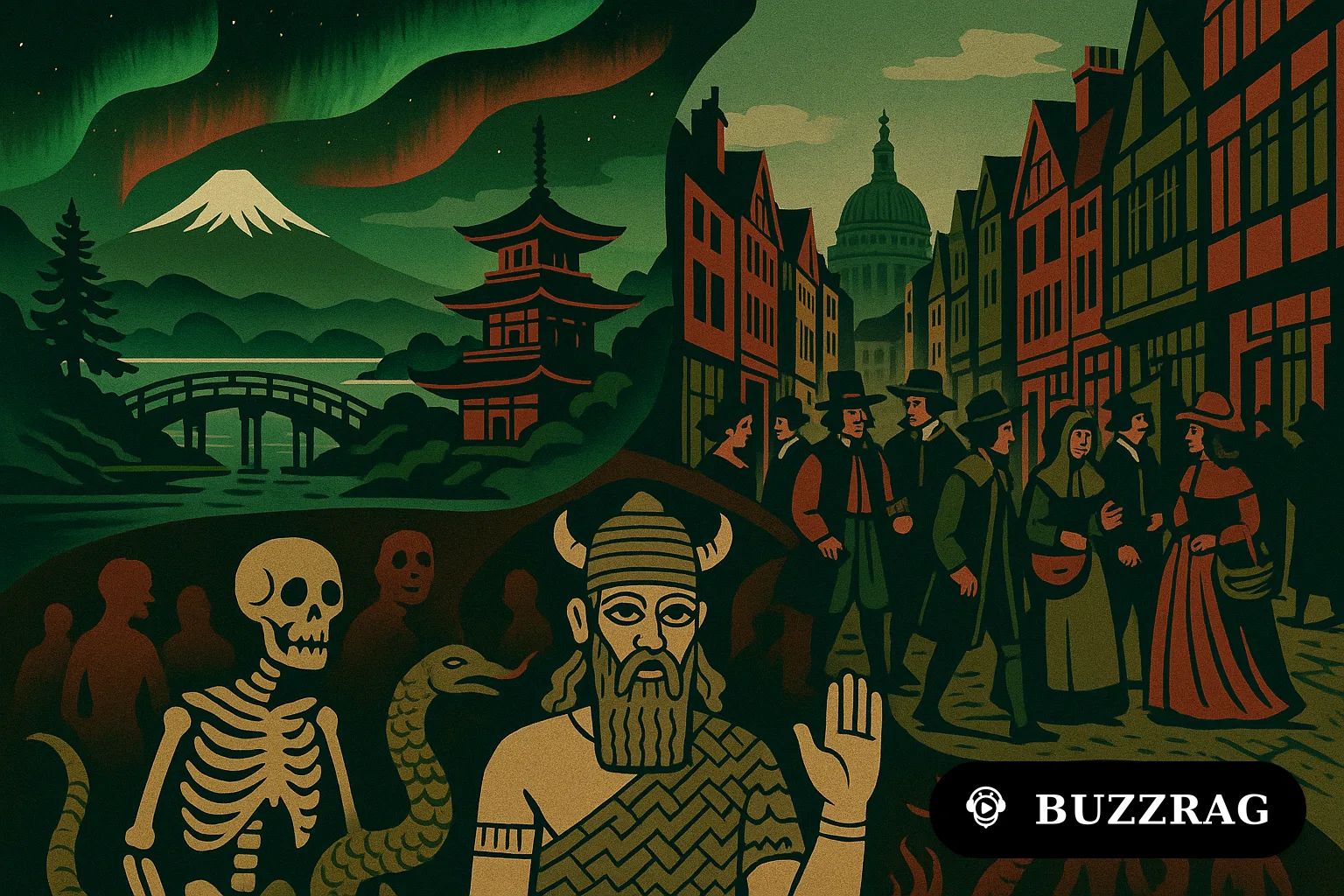
Today, we delve into the astonishing ways medieval records illuminate solar activity's past, explore alternative histories of London, and revisit the chilling reign of Mesopotamian deities. These narratives reveal how ancient legacies continue to echo in the present.
Medieval Space Weather: A Cosmic Insight
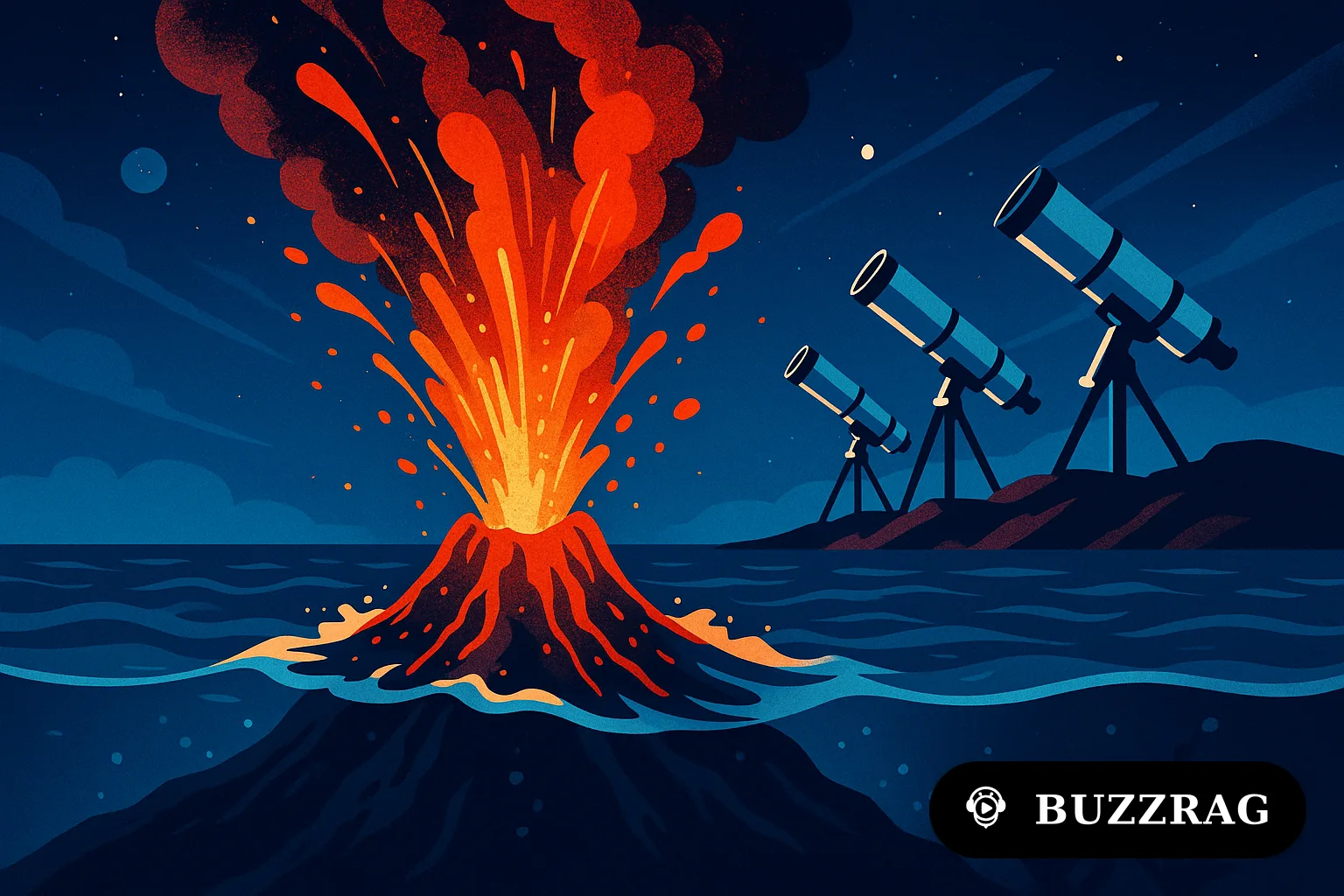
In a fascinating melding of science and history, researchers have turned to medieval Japanese poetry and ancient buried trees to unlock secrets about solar activity. Between 1200 and 1205 CE, Northeast Asia witnessed extraordinary solar events, including large sunspots and red aurorae. By analyzing carbon-14 levels in tree rings alongside historical texts, scientists can reconstruct solar patterns and understand their impact on Earth's climate.
This research not only enriches our understanding of medieval science but also underscores the significance of historical documentation in modern scientific inquiry. The implications are vast, as understanding solar behavior in the past may inform predictions about future space weather, which has direct impacts on our technology-dependent society.
Reimagining London's Past: 1656
What if London's history had unfolded differently? In a speculative exploration, historians are reimagining London in 1656, a period when the city was on the cusp of significant change. In this alternative history, we consider scenarios where the city’s development took unexpected turns, offering insights into how pivotal moments shape urban destiny.
This exercise in counterfactual history challenges us to think critically about the forces that drive historical change. By examining alternative paths, we gain a deeper appreciation for the complexities and contingencies that have influenced our world, offering valuable lessons on the possibilities of future urban developments.
Ereshkigal: Echoes from the Mesopotamian Underworld
Ereshkigal, the formidable Mesopotamian Queen of the Dead, remains a powerful symbol of the ancient world's understanding of life and mortality. As ruler of the underworld, she governed the realm of the dead, barring the living from its secrets. Her mythological presence highlights the Mesopotamians' intricate belief systems and their interpretations of the afterlife.
Studying Ereshkigal's domain offers a window into the fears and beliefs of ancient cultures, emphasizing how mythology reflects societal values and existential concerns. As modern societies confront their own mortality in the age of technological advancement, these ancient narratives resonate, reminding us of humanity's perennial quest to comprehend the unknown.
Pharaoh Ay: A Historical Enigma
Pharaoh Ay remains one of ancient Egypt's most enigmatic figures. Despite his brief reign following Tutankhamun, Ay's life is shrouded in mystery, with debates about whether he was a schemer with hidden agendas or merely a victim of the turbulent times. His ascension to power and subsequent legacy are often overshadowed by more illustrious pharaohs, yet his story offers a unique glimpse into the complexities of Egyptian politics.
Understanding Ay's reign involves piecing together scant historical records and archaeological findings, challenging historians to separate fact from speculation. This scrutiny not only enriches our comprehension of Egyptian history but also illustrates the challenges of reconstructing the past with limited evidence.
The First Anglo-Boer War: A Struggle for Freedom
The First Anglo-Boer War, a pivotal conflict between the British Empire and the Boer settlers of the Transvaal, heralded a crucial moment in South African history. The Boers, driven by a fierce desire for independence following the British annexation of Transvaal in 1877, managed to secure victory through superior tactics and local knowledge.
This war set the stage for future conflicts and negotiations in the region, highlighting the complexities of colonial power dynamics. By examining this struggle, we gain insights into the enduring themes of resistance and self-determination that continue to influence geopolitical discourse today.
Toronto's Transit Trials: A Historical Perspective
As Toronto grapples with the construction of the Ontario Line subway, historical patterns of infrastructure challenges come into sharp relief. This latest project faces skepticism, reminiscent of past transportation endeavors that have been marred by delays and budget overruns. The stakes are high as the city seeks to modernize amidst growing urban demands.
Understanding the historical context of Toronto’s transit efforts helps to frame current public concerns and expectations. As cities worldwide struggle with similar infrastructural challenges, these lessons underscore the importance of learning from past failures to inform more effective planning and execution in the future.
As we reflect on these narratives, it becomes clear that history is not merely a record of the past but a living dialogue with the present. Watch how emerging technologies might reshape our understanding of space weather, and consider the potential for new discoveries in ancient histories. The interplay between past and present continues to shape our evolving world.