BuzzRAG Daily Digest — 2026-05-15

Curated by AI. Callum Pierce
Today's trends capture the intersection of art, technology, and science. From explorations of real-life solitude to the nuances of AI in vast codebases, our stories offer a diverse glimpse into modern curiosities.
Francesca de Tores Unveils the Real Robinson Crusoe
Francesca de Tores' novel, 'Cast Away', delves into the life of Alexander Selkirk, an 18th-century privateer marooned in the South Pacific. This gripping narrative offers a fresh perspective on solitude and survival, drawing parallels with the more widely known fictional character, Robinson Crusoe.
Through meticulous research and vivid storytelling, de Tores paints a compelling portrait of Selkirk's solitary existence. The novel challenges readers to reflect on humanity's resilience and the psychological effects of isolation, making it a profound meditation on the human condition.
Critics have praised 'Cast Away' for its immersive narrative and rich historical detail. As readers lose themselves in Selkirk's world, the novel prompts wider conversations about survival, identity, and the enduring power of storytelling.
Honoring Bond: The Case for a Dench Close
In a whimsical nod to the iconic James Bond franchise, new housing estates in Swindon are naming streets like Bond Place and Desmond Crescent. This trend celebrates the cultural impact of the 007 films, especially after scenes were shot nearby in the 90s.
With Denis Villeneuve set to direct the next Bond film, the anticipation among fans is palpable. The street-naming trend not only honors cinematic history but also reflects the town's pride in its connection to the legendary spy series.
As communities embrace these tributes, the initiative sparks debate on how pop culture shapes our landscapes. Will other towns follow suit, and might we see a Judi Dench Avenue or a Craig Crescent in the future?
AI Revolution: Claude Code in Large Codebases
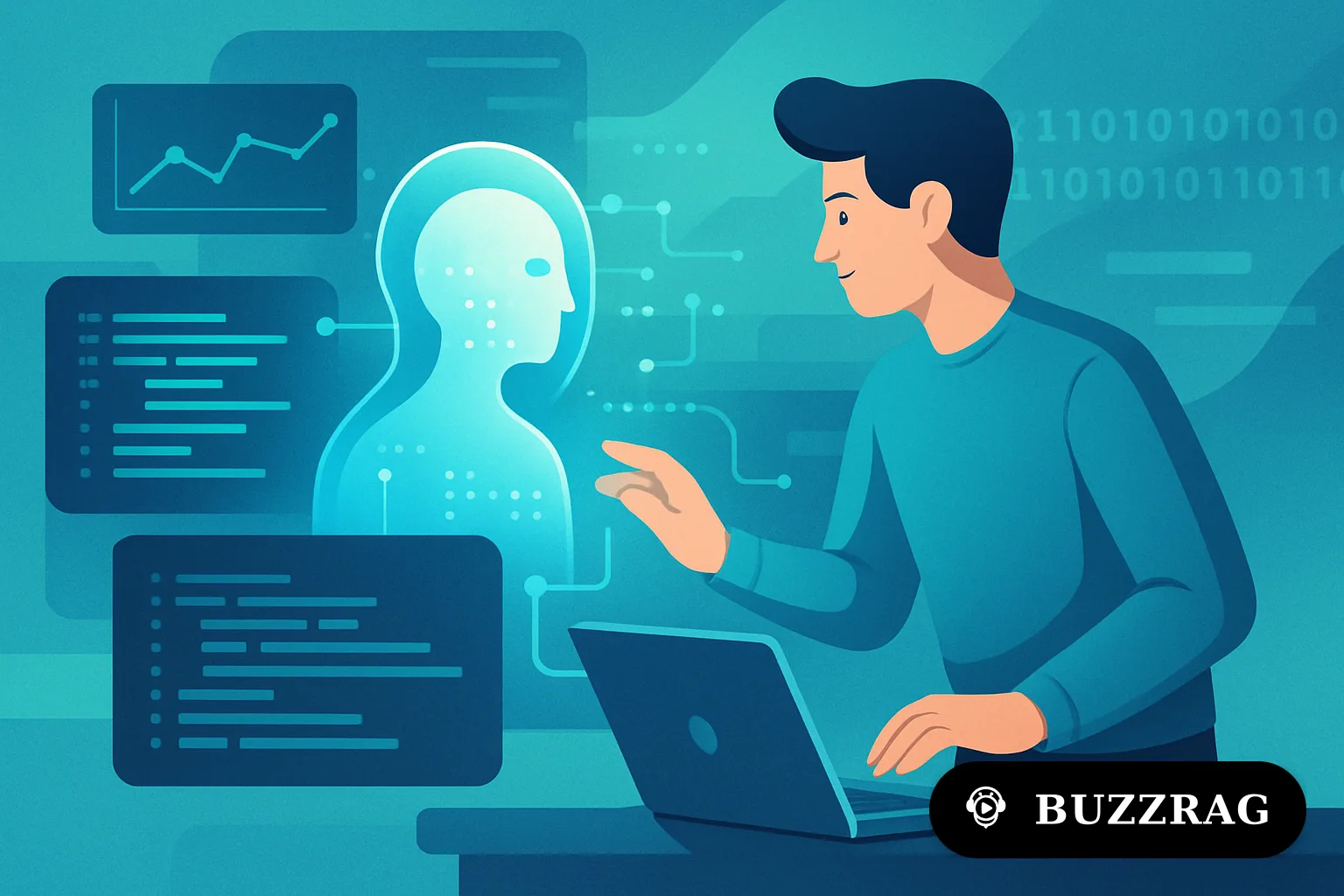
Claude Code is making waves in the tech world with its innovative application in large codebases. This technology promises to streamline coding processes, offering best practices for developers navigating complex systems.
As AI continues to evolve, tools like Claude Code highlight the growing intersection between artificial intelligence and software development. By providing a more efficient coding framework, it addresses the challenges developers face in maintaining large-scale projects.
The broader implications for the tech industry are significant. As companies adopt these advancements, the role of AI in shaping future coding practices will be a critical area to watch.
Backrooms: A New Dimension in Horror
The eerie concept of the 'Backrooms' has transitioned from an online curiosity to a full-fledged horror film phenomenon. Directed by 20-year-old Kane Parsons, the film stars Chiwetel Ejiofor and Renate Reinsve, and takes audiences through a chilling labyrinth of corridors.
This innovative horror flick stands out for its unique setting—a 30,000 square foot maze that evokes both fear and fascination. The film challenges traditional horror tropes, offering a fresh take on the genre that resonates with younger audiences.
As 'Backrooms' captivates viewers, it raises questions about the future of horror. Will more directors embrace surreal, internet-inspired settings, and how will this shape the genre moving forward?
Shedding Light on Earth's Nightscapes
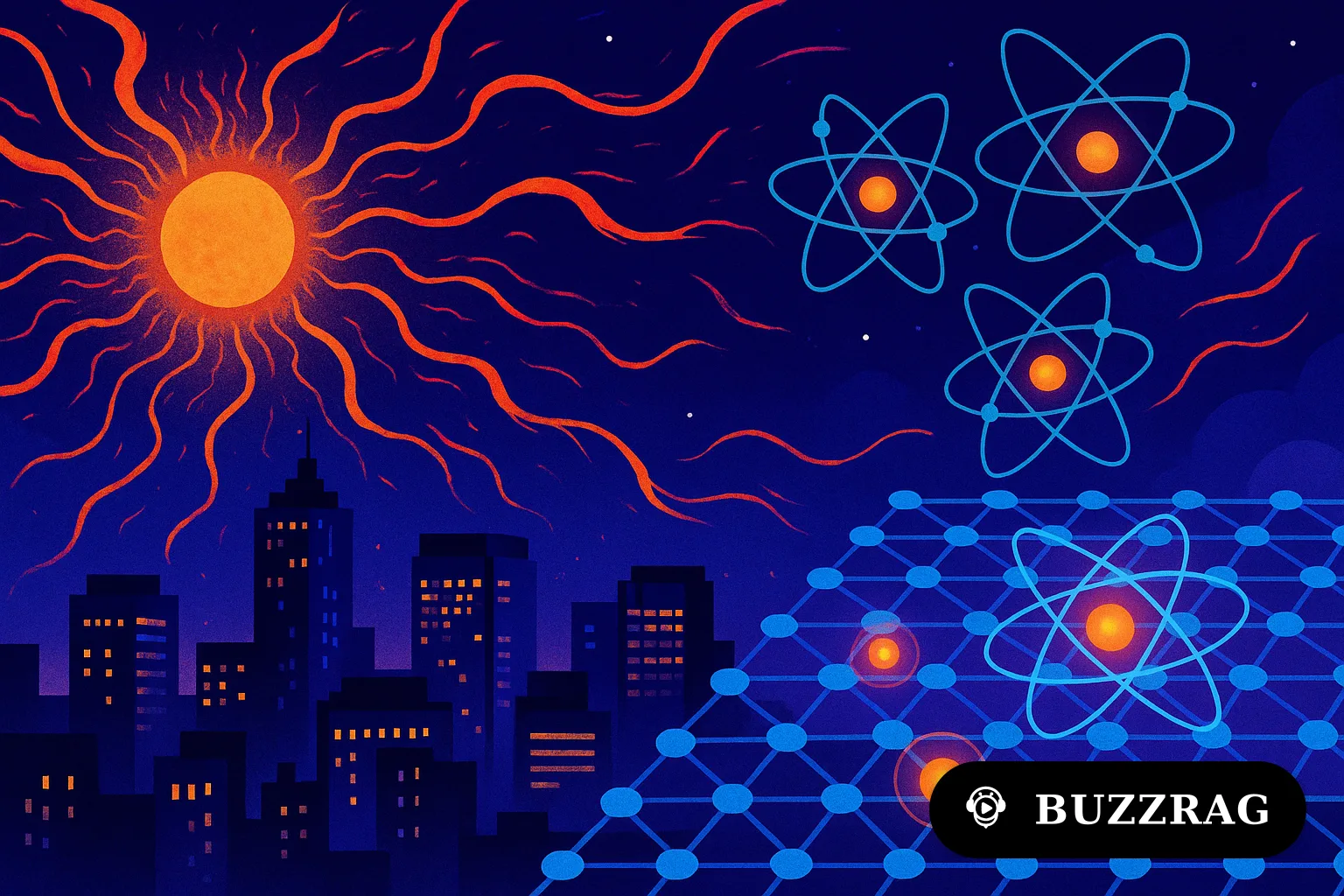
A recent analysis has shed light on the intensification and diminishment of artificial light at night across Earth's landscapes. This study reveals significant changes in how human activity affects nighttime visibility globally.
The findings highlight areas where light pollution has increased, impacting ecosystems and human health. Conversely, some regions have seen a reduction in light pollution, suggesting successful policy interventions.
As we continue to explore the balance between technological advancement and environmental preservation, these insights are critical. They inform future strategies for sustainable urban planning and ecological conservation.
As we explore the convergence of technology, culture, and science, today's stories remind us of the profound impact these domains have on our lives. As trends evolve, so too will our understanding of their potential to shape the future.