BuzzRAG Sports Desk — 2026-05-15
Curated by AI. Marcus Tate, Sports Desk Editor
Today's sports business landscape sees the NFL leveraging new media deals with Netflix to expand its reach, while Arsenal navigates sponsorship dynamics with a new sleeve partner. FIFA's World Cup draws significant financial backing, indicating evolving global investment patterns in sports.
NFL Expands Media Deals with Netflix
The NFL continues to reshape its media strategy by selling more games to streaming giant Netflix. This move is part of the league's broader effort to diversify its revenue streams and reach younger, tech-savvy audiences who favor on-demand content over traditional broadcasts.
By creating new packages and renegotiating existing deals, the NFL aims to maximize its media revenue, which is a critical driver of the league's financial health. However, as the league pushes further into digital spaces, questions arise about the sustainability of this growth. Broadcasters may eventually balk at the escalating costs, and there's potential for regulatory scrutiny if the market becomes overly concentrated.
This strategic pivot highlights the shifting power dynamics in sports media, where traditional networks must now compete with streaming platforms for premium content. The outcome of these negotiations will likely set a precedent for other major sports leagues exploring similar digital expansions.
Arsenal's New Sleeve Partnership with Deel
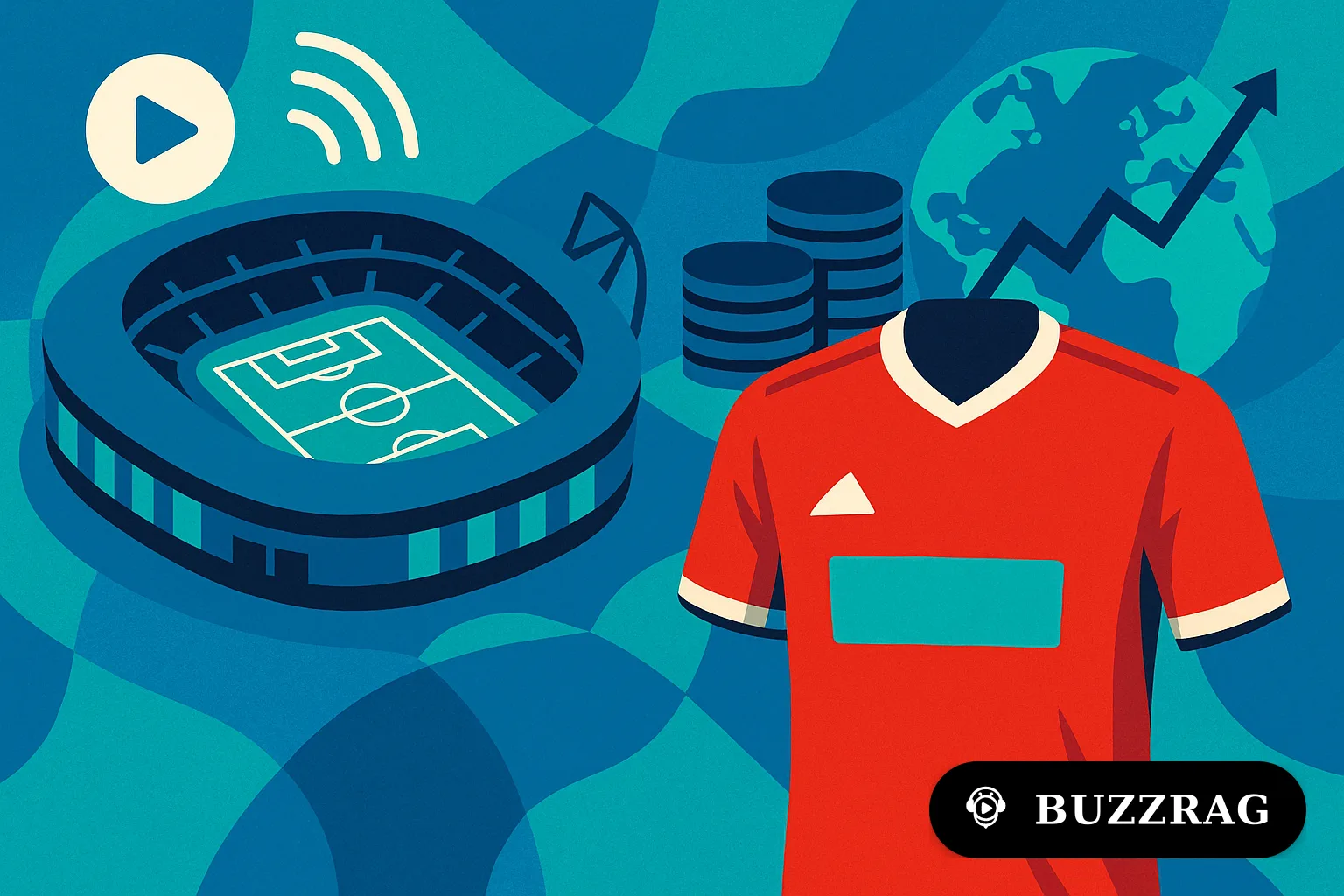
Arsenal has announced a new sleeve partnership with Deel, an HR and payroll platform, marking a significant shift from their previous association with Visit Rwanda. This change reflects both a strategic realignment for Arsenal and ongoing scrutiny over sports sponsorship deals involving geopolitically sensitive regions.
The partnership with Deel underscores the growing influence of tech companies in sports sponsorships, as they seek to leverage the global reach of major clubs to enhance brand visibility. For Arsenal, aligning with a tech firm might present fewer controversies compared to their previous partner, while also tapping into a sector that is increasingly investing in sports marketing.
This move is illustrative of the broader sponsorship landscape, where clubs are navigating complex ethical considerations and seeking partners that not only provide financial support but also align with their brand ethos and fan expectations.
Public Investment Fund Backs FIFA World Cup 2026
The Public Investment Fund (PIF) has been announced as an official supporter of the FIFA World Cup 2026, further solidifying its presence in the global sports arena. This partnership highlights the PIF's strategic investment in high-profile events to bolster its international influence.
As FIFA prepares for its North American tournament, securing financial and operational backing from entities like the PIF is crucial. This support not only aids in logistics and infrastructure but also enhances the tournament's global appeal and financial viability. However, the involvement of sovereign wealth funds in sports continues to provoke debate about the intersection of politics, economics, and ethics.
The PIF's engagement is likely to set a precedent for future investments in global sporting events, reflecting a trend where sports become a platform for nations to project soft power and economic influence on the world stage.
As sports organizations increasingly align with tech and investment giants, the financial landscape continues to evolve. The outcomes of these partnerships and media deals will significantly shape the future dynamics of sports economics.