BuzzRAG Travel Desk — 2026-05-15

Curated by AI. Mariel Fontaine, Travel Desk Editor
Today's travel trends spotlight the evolving digital landscape, as Google's latest AI update transforms hotel rankings. Meanwhile, Macao is leveraging boutique hotels to attract discerning travelers, and Enter Air eyes expansion with a strategic acquisition.
Google's AI Update Shifts Hotel Rankings
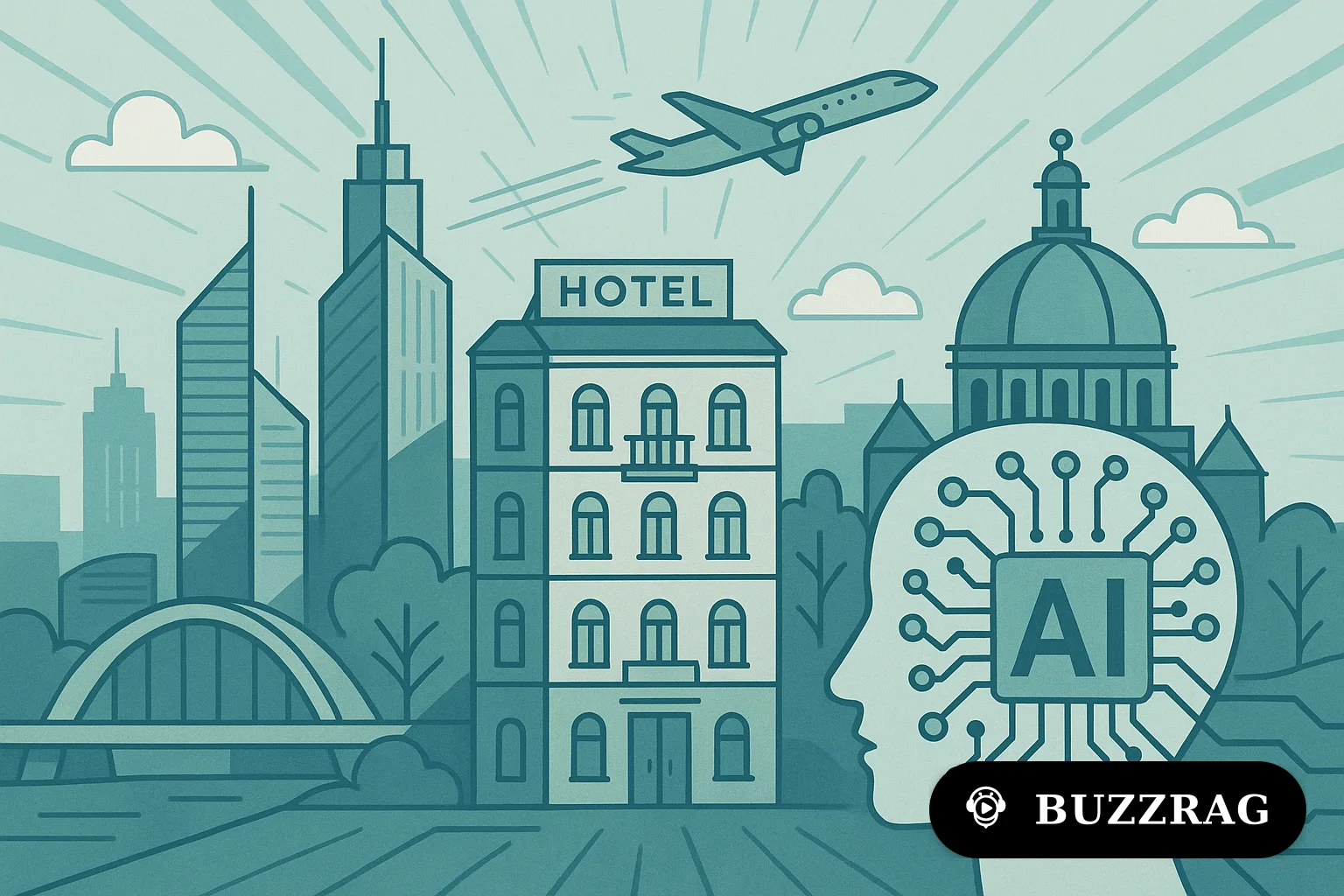
In March 2026, Google rolled out a core update that prioritizes original content over templated listings in its AI-powered travel discovery features. This shift is significant for hotels, which now have a strategic advantage over Online Travel Agencies (OTAs) in capturing the attention of potential guests. The update marks a departure from traditional keyword-based SEO, emphasizing the value of unique and substantive information.
The travel industry is poised to transform as hotels embrace this change. By investing in content that reflects their distinct offerings and local experiences, hotels can better engage with travelers seeking authentic experiences. This development challenges OTAs to innovate, as their reliance on standardized listings may no longer suffice in a landscape increasingly driven by nuanced, original content.
Industry observers are closely watching how this update will influence booking behaviors and hotel marketing strategies. As AI continues to evolve, the ability to provide rich, context-driven content may become a pivotal factor in attracting and retaining travelers.
Optimizing Hotel Websites for AI
As AI technology reshapes digital interactions, hotels are urged to optimize their websites for AI-readiness. The emphasis is shifting from traditional keyword-focused SEO to a more sophisticated, text-based content strategy that AI systems can easily extract and interpret. This approach requires hotels to build a factual information architecture that clearly outlines their unique offerings, amenities, and local insights.
For hoteliers, the stakes are high. An AI-friendly website not only enhances visibility but also ensures that potential guests receive accurate and relevant information. This shift demands a departure from generic content, encouraging a focus on detailed descriptions and storytelling that resonate with travelers' interests and expectations.
The transition to AI-optimized content presents both challenges and opportunities. As hotels adapt, they may discover new avenues for differentiation and engagement. The industry will likely see an increase in digital literacy as businesses strive to meet the evolving demands of AI-driven search engines.
Enter Air's Strategic Move in the Tourism Sector
Polish charter carrier Enter Air has announced its intention to acquire a significant stake in the Warsaw-based tour operator Nekera. By acquiring 85% of Nekera’s share capital, Enter Air aims to gain exclusive control over the company, marking a strategic expansion into the tour operation segment. This move is subject to approval by Poland's competition authority.
The acquisition highlights Enter Air's ambition to diversify its offerings and strengthen its position in the tourism market. With Nekera under its wing, Enter Air can potentially offer bundled travel packages, increasing its appeal to a broader customer base. This could enhance their competitive edge against other charter carriers and tour operators in the region.
Industry analysts are monitoring the regulatory approval process closely, as it could set a precedent for future acquisitions in the sector. Should the deal proceed, it may encourage other airlines to pursue similar strategies, reshaping the landscape of travel and tourism in Poland and beyond.
Macao Embraces Boutique Hotels
Agoda and the Macao Government Tourism Office (MGTO) have teamed up to promote boutique and independent hotels in the city's Outer Harbour District. This collaboration focuses on highlighting properties in areas like ZAPE and NAPE, which offer proximity to dining, entertainment, and cultural landmarks. The initiative aims to attract travelers seeking unique accommodations that reflect the local character.
Macao's emphasis on boutique hotels aligns with a broader trend of travelers favoring intimate, personalized lodging experiences over large, impersonal chains. By spotlighting these properties, the city hopes to diversify its tourism appeal beyond its famed casinos, drawing visitors interested in a more nuanced exploration of its urban landscape.
As Macao continues to position itself as a multifaceted destination, the success of this initiative could influence other cities to follow suit. By investing in the promotion of boutique hospitality, destinations can tap into a growing market of travelers who prioritize authenticity and cultural immersion in their journeys.
As the travel industry adapts to technological advancements and evolving traveler preferences, destinations and businesses must remain agile. Future developments in AI, tourism strategies, and market dynamics will continue to reshape how we explore the world.