BuzzRAG Travel Desk — 2026-08-04

Curated by AI. Mariel Fontaine, Travel Desk Editor
Today's travel news highlights significant environmental and industrial shifts. From the impending 'super El Niño' impacting U.S. weather to aviation and rail developments, these stories offer insights into how travel is adapting globally.
U.S. Prepares for Major Snowfall with 'Super El Niño'
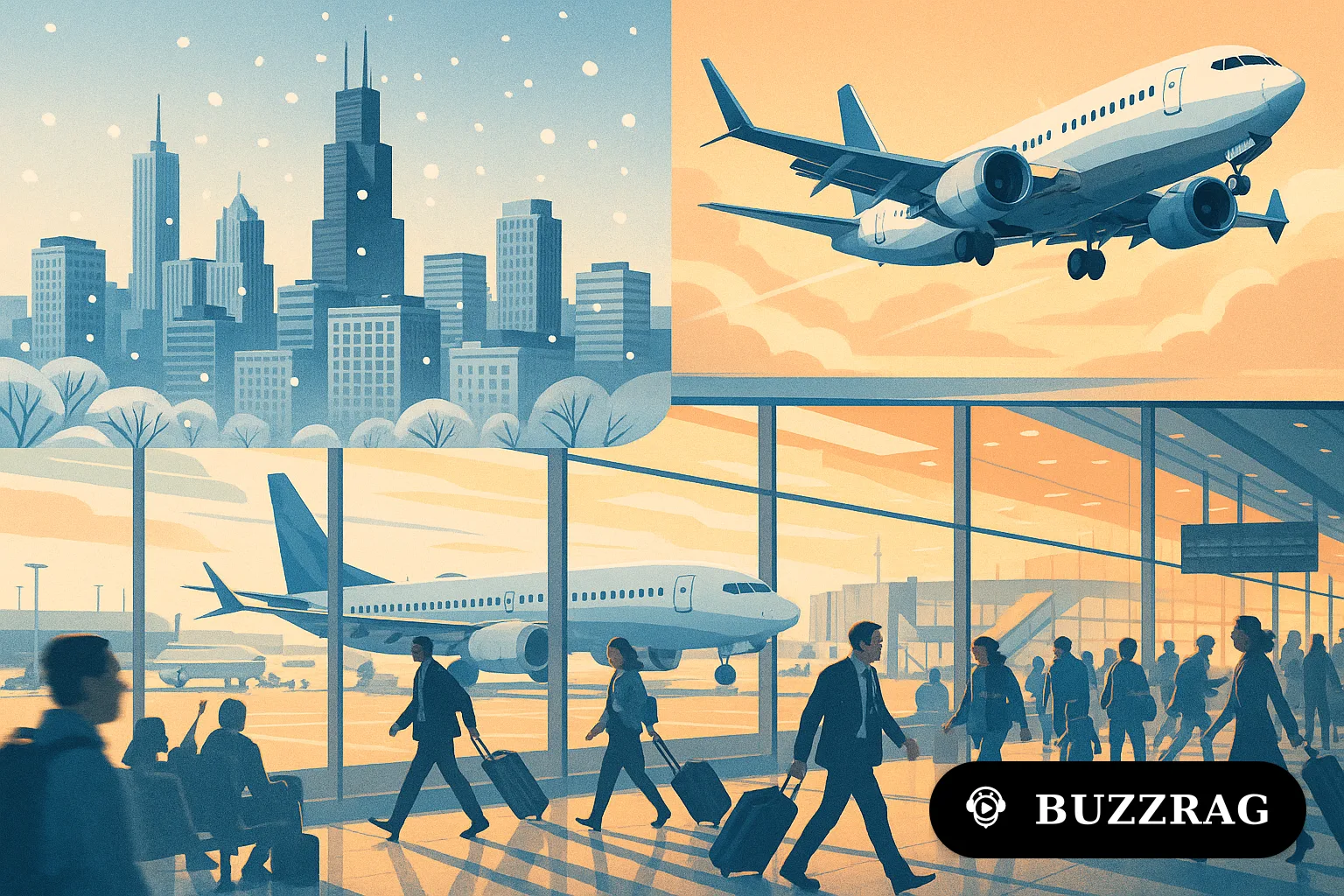
As meteorologists warn of a 'super El Niño' event this winter, U.S. regions are bracing for potentially historic snowfall and heavy rain. This El Niño, characterized by unusually warm ocean temperatures in the Pacific, is predicted to be one of the largest on record. The phenomenon is expected to disrupt typical weather patterns, bringing significant precipitation and cold snaps to parts of the United States.
The implications of this weather event are manifold. Economically, the increased precipitation could affect agriculture, transportation, and energy sectors, prompting regions to prepare for potential disruptions. Environmentally, the heavy snow and rain might replenish water reservoirs in drought-stricken areas, though it could also increase the risk of flooding and landslides. As communities gear up for the winter, local governments are likely to enhance emergency preparedness plans to mitigate the adverse effects of these extreme weather conditions.
Boeing 737 Max Secures U.S. Certification
The U.S. aviation industry has reached a significant milestone with the clearance of the smallest Boeing 737 Max to fly. After years of delays, this certification marks a crucial development for airlines like Southwest, which have been eagerly awaiting the aircraft to modernize their fleets. This model is expected to enhance operational efficiency and reduce fuel consumption, offering a competitive edge for carriers looking to expand their routes.
The approval comes after rigorous safety evaluations, following the troubled history of the 737 Max series. For the aviation sector, this development signals a renewed focus on safety and innovation. Airlines are now poised to leverage this new aircraft to optimize their services, potentially leading to better pricing and more flight options for travelers. As the industry continues to recover from pandemic-induced challenges, the integration of the 737 Max into more fleets could play a pivotal role in shaping future air travel dynamics.
Marriott's New Rebate Program Amid Fee Hike
Marriott International has introduced an owner rebate program in response to an impending increase in credit card fees. The program is designed to offset the financial impact on franchisees, as credit card revenue is projected to rise by up to $125 million annually. This move underscores Marriott's commitment to maintaining strong relationships with its property owners amid changing economic conditions.
The decision to absorb some of the costs reflects Marriott's strategic approach to balancing profitability with franchisee support. As the hospitality industry navigates post-pandemic recovery, such initiatives could help stabilize operations and encourage investment in Marriott properties. The broader implications for the industry include potential shifts in franchise models and increased scrutiny on fee structures, as hotel chains seek to align financial incentives with long-term growth objectives.
American Airlines Secures Heathrow Catering Solution
American Airlines has finalized a permanent catering partnership at Heathrow Airport, appointing DO & CO as its provider. This development follows a period of temporary solutions and promises a return to a fully restored menu for passengers. The move is expected to enhance the in-flight experience, addressing a key area of customer satisfaction that had been impacted by interim arrangements.
This partnership marks a significant logistical achievement for American Airlines, ensuring consistent quality and service at one of its major international hubs. For travelers, the restoration of a comprehensive menu could improve the perception of airline service, potentially influencing customer loyalty. As airlines continue to navigate operational challenges, securing reliable partnerships like this is crucial for maintaining competitive advantage in the highly contested air travel market.
Belgium's Rail Market to Open Post-2032
Belgium has announced plans to liberalize its passenger rail market starting in 2033, marking a significant shift in its transportation policy. The federal government approved a phased transition to competitive tendering after the expiration of the current public service contract with SNCB. This move is part of a broader strategy to enhance efficiency and service quality in the rail sector.
The decision reflects a growing trend in Europe toward market liberalization, aimed at fostering competition and innovation. By opening up the subsidized rail market, Belgium hopes to improve service offerings and increase passenger numbers, aligning with EU directives on transportation. The transition period will be crucial for stakeholders to adapt to the new market dynamics, which could lead to improved rail services and potentially lower fares for consumers.
China Eases Entry for Foreign Travelers
China is witnessing a surge in inbound travel with 45.9 million border crossings by foreigners in the first half of 2026, marking a 20.6 percent increase from the previous year. The National Immigration Administration highlights that visa-free entries account for a significant portion of foreign arrivals, with travelers primarily from South Korea, Russia, and several Southeast Asian countries.
This uptick in travel is indicative of China's efforts to bolster its tourism and business sectors post-pandemic. By easing entry requirements, China aims to attract more international visitors, which could stimulate economic growth and cultural exchange. The emphasis on visa-free travel reflects a strategic shift to enhance accessibility and streamline entry processes, potentially positioning China as a more attractive destination for global travelers seeking new experiences and opportunities.
As these stories unfold, the travel industry continues to adapt to evolving challenges and opportunities. From environmental impacts to market liberalization, stakeholders are navigating complex landscapes that will shape the future of global travel.