BuzzRAG Travel Desk — 2026-07-19

Curated by AI. Mariel Fontaine, Travel Desk Editor
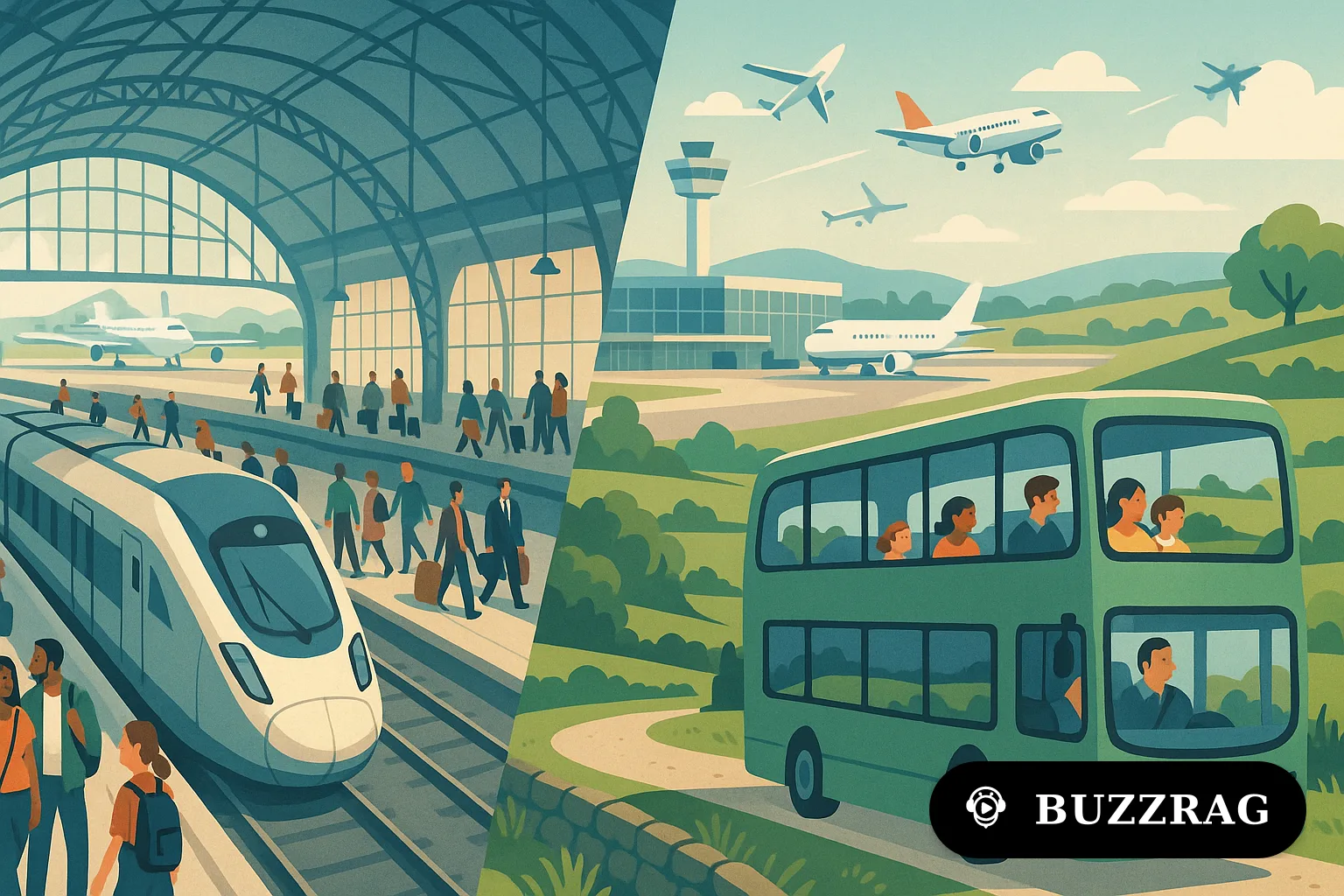
Today's trending topics in travel revolve around innovations and challenges in transportation. With affordable bus travel options in England and new rail services in Europe, there's a focus on accessibility and sustainability. Meanwhile, aviation news highlights both technological hurdles and strategic expansions.
Boeing KC-46 Faces Refueling Challenges
The Boeing KC-46 Pegasus continues to face challenges in refueling specific USAF aircraft, including the A-10 and stealth models. Boeing is working to address these issues, which stem from the aircraft's boom and vision systems.
These limitations pose significant operational hurdles, as efficient mid-air refueling is critical for military readiness and strategic operations. Boeing's ongoing modifications aim to enhance the KC-46's effectiveness, but the delays highlight the complexities of integrating advanced technologies with existing military hardware.
The resolution of these issues is crucial for maintaining the USAF's aerial capabilities. As Boeing progresses with updates, the broader implications for military logistics and technology integration remain a key focus.
Affordable Family Adventures by Bus in England
With bus fares capped at £3 and children traveling for free in August, families in England have an excellent opportunity to explore a variety of attractions without breaking the bank. This initiative encourages eco-friendly travel and helps ease the cost of living during school holidays.
Destinations include scenic waterfalls, lush gardens, captivating galleries, and historical sites like medieval forests and prehistoric caves. This initiative is part of a broader effort to make cultural and natural heritage accessible to more people, promoting domestic tourism and supporting local economies.
As public transport becomes more attractive and affordable, it could lead to a shift in travel patterns, reducing reliance on private vehicles and contributing to sustainability goals. Observing the uptake and impact of this initiative could inform future transportation policies.
European Sleeper's Rail Expansion Challenges
European Sleeper is gearing up to launch a new service to Milan this September. However, the company faces regulatory challenges as it seeks to expand its services into France and Spain. Co-founder Elmer van Buuren is optimistic that overcoming these hurdles could lead to significant growth in the European rail industry.
The push for hassle-free rail travel reflects a growing demand for sustainable and convenient alternatives to air travel. As more travelers seek eco-friendly options, rail operators are under pressure to streamline operations and improve cross-border cooperation.
The outcome of these regulatory negotiations may set a precedent for future rail expansions across Europe, potentially catalyzing a 'snowball effect' in the industry. Stakeholders will be watching closely to see how European Sleeper navigates these challenges.
Airbus A350-1000's U.S. Market Presence
The Airbus A350-1000 is making a significant impact on U.S. air travel markets, with New York leading the way with over 2,000 flights scheduled for 2026. This aircraft model is renowned for its fuel efficiency and passenger comfort, making it a popular choice for long-haul routes.
The presence of the A350-1000 in major markets underscores the ongoing competition between Airbus and Boeing as airlines continue to upgrade their fleets with newer, more efficient aircraft. This trend also reflects shifting passenger expectations towards more sustainable and comfortable travel experiences.
As the aviation industry faces environmental pressures, the success of the A350-1000 in the U.S. could influence future aircraft designs and airline purchasing decisions. Market reactions will provide insights into the evolving landscape of commercial aviation.
EVA Air's Business Class Strategy on Long-Haul Flights
EVA Air is maximizing its Boeing 777-300ER aircraft by fitting 39 business class seats into a 17-hour flight configuration. This strategic use of space caters to a growing demand for premium travel options on ultra-long-haul routes.
By optimizing the layout of its aircraft, EVA Air can offer a higher number of business class seats than many competitors, tapping into a lucrative market segment. This strategy reflects broader trends in the aviation industry, where airlines are increasingly focusing on premium services to boost profitability.
The effectiveness of this approach will likely influence other airlines’ strategies, particularly as the demand for long-haul business travel continues to recover post-pandemic. Observers will be keen to see how EVA Air's configuration impacts passenger satisfaction and financial performance.
Boeing's Aircraft Supply Challenges
Boeing has announced a projected shortfall of nearly 2,000 aircraft stretching into the 2030s, as highlighted in its recent forecast at the Farnborough Airshow. This revelation signals potential disruptions in the global aviation supply chain.
The shortage is attributed to various factors, including delays in production and increased demand for new aircraft as airlines modernize their fleets. This situation could have widespread implications, affecting airline capacity and potentially leading to higher ticket prices and reduced options for travelers.
Industry stakeholders are closely monitoring Boeing's response to this challenge, as its resolution is critical for maintaining the balance between supply and demand in the aviation market. The outcome will also influence strategic planning for airlines and manufacturers alike.
As transportation evolves, the interplay between technological innovation and regulatory challenges remains crucial. Whether through affordable bus travel, expanding rail networks, or addressing aviation supply issues, these trends offer a glimpse into the future of travel. Stakeholders across the industry will need to adapt to these changes to meet the demands of a rapidly shifting landscape.