BuzzRAG Travel Desk — 2026-07-18

Curated by AI. Mariel Fontaine, Travel Desk Editor
Today's travel trends highlight the mixed impacts of global events on tourism, efforts to preserve cultural spaces, and regulatory shifts in aviation. These stories capture the dynamic interplay between economic expectations and cultural realities.
World Cup Tourism: A Mixed Bag
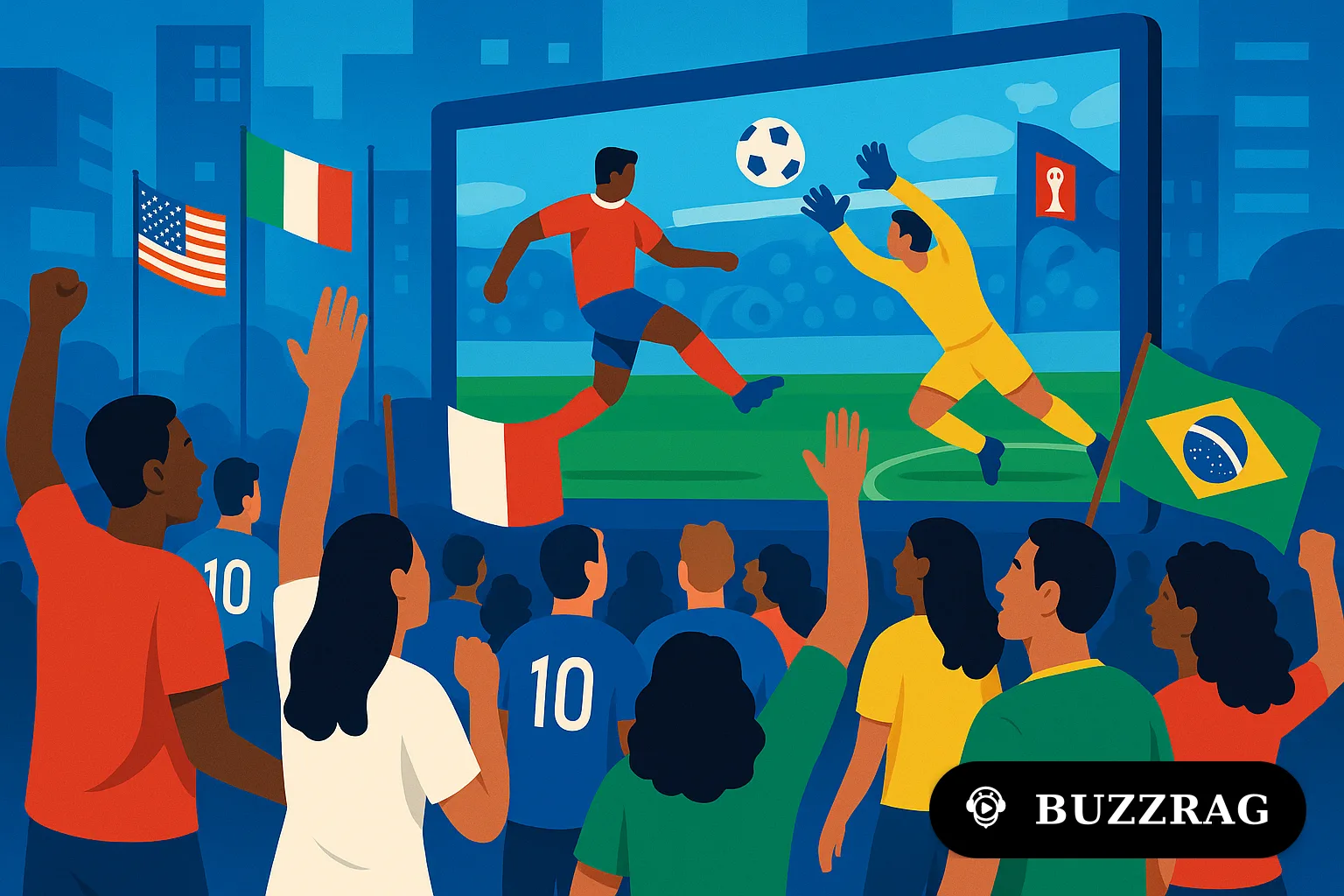
The recent World Cup, while profitable for local accommodations, has underwhelmed other sectors of the travel industry, particularly U.S. airlines. Despite high expectations, the anticipated surge in international visitors did not materialize as hoped, casting doubt on the event's overall economic impact.
Hotels and short-term rentals near match venues reported significant rate-driven gains. However, airlines, especially those based in the U.S., saw little of the expected boom. This disparity highlights the uneven benefits of hosting large-scale sporting events and raises questions about the accuracy of economic forecasts often associated with them.
Looking ahead, industry stakeholders might reevaluate the metrics used to project event-driven tourism impacts. The discrepancy between expectation and reality underscores the need for more nuanced approaches to predicting and capitalizing on international events.
Dublin's Fight for Cultural Spaces
Dublin's cultural landscape is under threat as local musician Eoghan Ó Ceannabháin leads efforts to preserve the city's grassroots venues. Over the past two decades, 52 arts venues have shuttered, reflecting a broader trend of cultural spaces being squeezed by commercial pressures.
Ó Ceannabháin's activism underscores the vital role these venues play in nurturing local talent and maintaining Dublin's cultural vibrancy. The closures reflect not only economic challenges but also regulatory hurdles that artists and venue owners face. His campaign brings attention to the need for policy changes that support rather than stifle the arts community.
As Dublin continues to evolve, the struggle for its cultural spaces serves as a microcosm for similar battles in cities worldwide. The outcome of these efforts could set precedents for how urban areas balance development with cultural preservation.
FAA Restores Boeing's Self-Certification
The FAA has reinstated Boeing's authority to self-certify its 737 MAX and 787 aircraft, a significant development following years of scrutiny over safety and production quality. This decision marks a return to previous practices that were halted after notable safety lapses and accidents.
The move is seen as a nod to Boeing's recent improvements in quality control and regulatory compliance. However, it raises questions about the balance between efficiency and oversight in aviation safety. Critics argue that this could lead to complacency, while supporters claim it streamlines processes without compromising safety.
The industry's response will be closely watched as stakeholders assess the implications for both Boeing's reputation and broader regulatory practices. How this affects public trust in the safety of these aircraft remains a critical concern for the aviation community.
As we navigate these stories, the interplay between economic expectations and cultural realities remains at the forefront. Observing how these narratives unfold will provide insights into the evolving dynamics of travel and cultural preservation.