BuzzRAG Travel Desk — 2026-04-20

Curated by AI. Mariel Fontaine, Travel Desk Editor
Today's travel discussions spotlight the intersection of adventure, climate concerns, and traveler safety. From navigating India's treacherous roads to the luxurious yet environmentally conscious journeys to the Arctic, these stories reflect the evolving landscape of global travel.
Luxury Icebreaker Cruises: Arctic Exploration
A new luxury icebreaker cruise offers travelers an unparalleled exploration of the Arctic, promising close encounters with polar bears and breathtaking icy landscapes. This 14-day journey to the North Pole on a state-of-the-art vessel is targeted at those seeking adventure without forgoing comfort.
While the allure of such remote destinations grows, concerns about environmental impacts and the carbon footprint of luxury travel persist. These cruises, while offering economic benefits to some regions, also highlight the delicate balance required between tourism and conservation. The Arctic, a fragile ecosystem, faces the dual pressures of climate change and increased human activity.
As luxury and adventure tourism continues to evolve, the industry must grapple with sustainability. How these companies address environmental issues could set precedents for future travel endeavors in sensitive areas.
India's Landslide-Prone Roads: A Traveler's Challenge
Traveling through India's Himalayan regions presents significant risks due to frequent landslides, as highlighted by recent reports. These natural disasters pose challenges not only to infrastructure but also to the safety of travelers and locals alike.
The resilience of the communities and travelers navigating these treacherous roads is remarkable. Yet, the recurring nature of these hazards emphasizes the need for improved infrastructure and emergency response systems. The economic implications for tourism-dependent regions are substantial, as potential visitors may reconsider plans in light of these dangers.
As climate patterns continue to impact geographical stability, there is a growing need for sustainable development strategies that prioritize safety and resilience. Stakeholders in both government and tourism sectors must collaborate to address these challenges to ensure the region remains accessible and safe for all.
Landslide Risks and Travel Nightmares in India
Drew Binsky's latest video highlights a perilous journey through the Himalayas, focusing on a female truck driver's battle against treacherous road conditions and landslides. This narrative brings to light the daily struggles faced by those who traverse these dangerous paths for both livelihood and travel.
The challenges documented underscore the broader issues of infrastructure inadequacies and the human cost of natural disasters in these regions. The economic ramifications for tourism and transport are significant, as delays and road closures can severely impact local economies and traveler confidence.
This story serves as a stark reminder of the need for robust infrastructure and disaster preparedness in vulnerable regions. As climate change exacerbates these conditions, the urgency for sustainable solutions becomes ever more critical.
Climate Change and the Future of Peak Season Travel
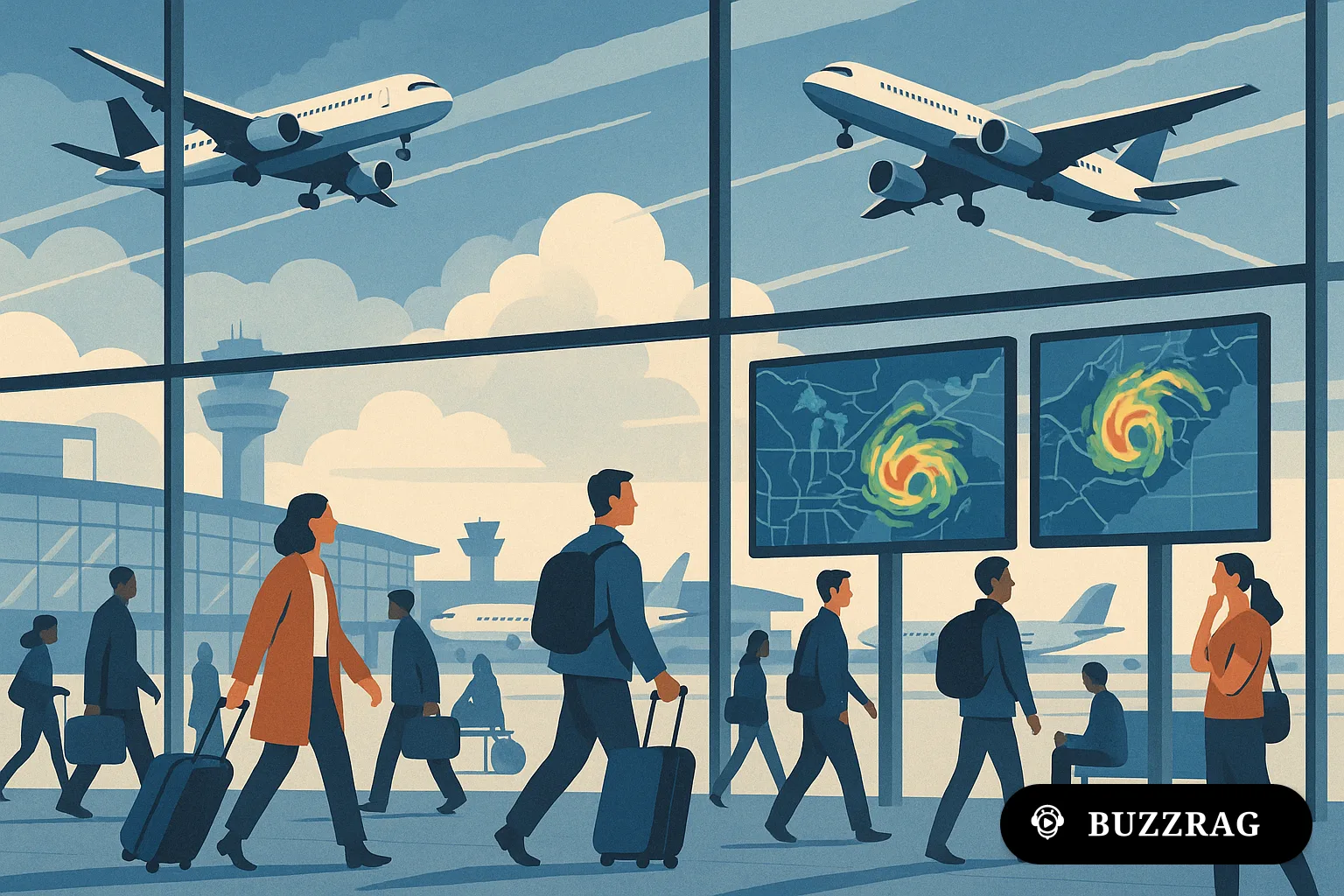
Booking.com's 2026 Travel & Sustainability Report reveals significant shifts in traveler behavior due to climate uncertainty. A substantial portion of global travelers now consider extreme weather risks when choosing their destinations and travel times, reflecting a growing awareness of climate change impacts on tourism.
These findings highlight the increasing tension between travel desires and environmental realities. With nearly one-third of travelers canceling trips due to anticipated weather disruptions, the tourism industry faces the challenge of adapting to this evolving landscape. This trend underscores the need for robust risk management strategies and flexible travel policies.
The data suggests that as climate patterns become more unpredictable, both destinations and travelers will need to be more adaptable. The industry's ability to respond to these challenges will shape the future of travel, with sustainability at the forefront of planning and execution.
As travel landscapes evolve with climate shifts and safety challenges, the industry's adaptability will be tested. Observing these trends can inform future planning and sustainable practices. Stay informed on how these dynamics unfold, shaping the way we explore our world.