BuzzRAG Tech Desk — 2026-04-20

Curated by AI. Vincent Ko, Technology Desk Editor
Today, the tech landscape is buzzing with discussions about the intersection of AI's capabilities and cybersecurity, alongside Chrome's intriguing HTML-in-Canvas experiment. Meanwhile, YouTube is reconsidering user control with Shorts, echoing a growing demand for personalized digital experiences.
Chrome's HTML-in-Canvas: A New Web Experiment
Chrome Canary's latest experiment, HTML-in-Canvas, is capturing attention for its potential to redefine web interactivity. By allowing developers to embed interactive DOM elements directly into WebGL scenes, this feature blurs the lines between traditional web pages and immersive 3D environments. Although still in its infancy and plagued by bugs, the concept showcases a daring attempt to make web interactions more dynamic and engaging.
This experimental feature harkens back to the early web days when creativity often outpaced functionality. Think of it as a modern take on the exuberance of the early Flash and VRML efforts, but with today's technological sophistication. The stakes are high, as this could mark a shift in how developers envision web content, pushing browsers from static content delivery to platforms for immersive experiences.
Initial reactions are mixed, with developers excited about the possibilities yet cautious about practical implementations. As browser vendors continually seek to innovate, this experiment reflects ongoing efforts to redefine the web's boundaries.
WarGames and Its Perceptive Computing Nostalgia
The 1983 film 'WarGames' remains a cultural touchstone for its portrayal of early computing, despite its technical inaccuracies. Using a mix of real hardware and strategic Hollywood embellishments, the film captured the zeitgeist of an era on the cusp of the digital age. 'WarGames' resonates today as it documents the anxiety and intrigue surrounding the nascent world of computing and its potential for both creation and chaos.
While the film took liberties with technical details, its depiction of human-computer interaction was remarkably prescient. It foreshadowed the pervasive role of computers in strategic decision-making and the ethical dilemmas that accompany technological advancements. The film’s legacy endures as a reminder of how media can shape our understanding of technology's potential and pitfalls.
For modern viewers, 'WarGames' offers a nostalgic glimpse into the early fears and fascinations with computing, reflecting a time when the digital future was both thrilling and terrifyingly unknown.
YouTube Users Gain Control Over Shorts with New Feature
YouTube has introduced a feature allowing users to set a zero-minute daily limit on Shorts, effectively removing them from feeds. This move acknowledges growing user demand for greater control over their viewing experiences. However, the feature comes with caveats, as it doesn't entirely eliminate Shorts from the platform and some users report partial functionality, suggesting a work-in-progress approach.
This development marks a significant shift in how platforms respond to user preferences, reminiscent of past content control debates when platforms like Facebook faced scrutiny over feed algorithms. YouTube's decision reflects a broader trend toward empowering users amid increasing concerns about algorithmic influence and content saturation.
As users experiment with this new control, the platform's response will be pivotal. It could either reinforce a move towards more personalized, user-driven content experiences or highlight the complexities of balancing user autonomy with platform objectives.
Anthropic's Mythos AI: Too Powerful for Public Release?
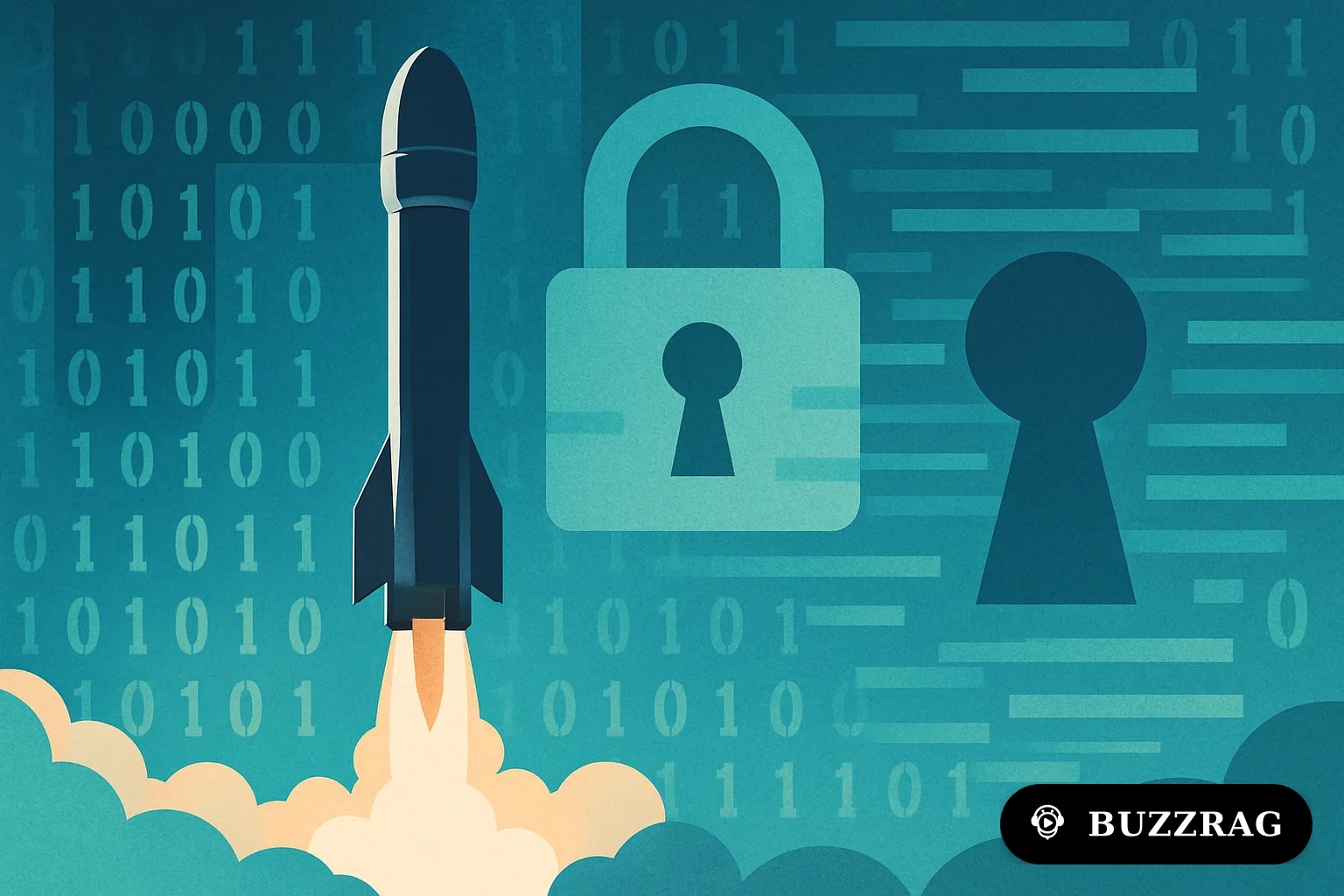
Anthropic's new AI model, Mythos, is making waves for its unparalleled capabilities in identifying software vulnerabilities, raising significant cybersecurity concerns. Unlike typical releases, Anthropic has chosen to withhold this model from public distribution, fearing its potential misuse. This decision underscores the ethical dilemmas AI developers face as their creations approach transformative, and sometimes disruptive, power.
The Mythos model's prowess in cybersecurity highlights both the promise and peril of AI advancements. While it offers unprecedented tools for preemptive threat detection, its capabilities could be weaponized if misused. This scenario draws parallels to historical technological advancements that have been both a boon and a bane, such as the dual-use nature of nuclear technology.
Anthropic's cautious approach may set a precedent for AI governance, balancing innovation with responsibility. Stakeholders across tech and policy sectors will closely watch how this situation unfolds, potentially shaping future regulatory frameworks.
Toolhouse: Democratizing AI Agent Creation
The latest tutorial from WorldofAI showcases Toolhouse, a no-code platform designed to simplify AI agent creation, making it accessible even for beginners. By offering features like voice commands and Google services integration, Toolhouse empowers users to automate tasks without needing in-depth coding knowledge. This democratization of AI tool development could significantly lower the barrier to entry in AI, reminiscent of the rise of WordPress in web development.
Toolhouse's user-friendly approach mirrors historical shifts where technology became more accessible to non-specialists, such as the advent of visual programming languages. By enabling a broader audience to engage with AI, Toolhouse could accelerate innovation across industries as more diverse perspectives contribute to AI-driven solutions.
Early adopters are enthusiastic about the platform's potential, noting its impact on productivity and creativity. As no-code platforms continue to evolve, their role in shaping the future of AI development will be a key area to monitor.
The future of technology is clearly embracing both empowerment and caution, as evidenced by today's developments. As AI's potential grows and user control becomes paramount, the balance between innovation and responsibility will be crucial. Keep an eye on how these tensions shape the tech landscape in the coming months.