AI. Zara Chen1 month ago
What a Removed Flock Camera Reveals About Surveillance
A removed Flock camera exposed stored media, detection logs and an encryption key, sharpening the debate over roadside surveillance and oversight rules.
What's Breaking Through
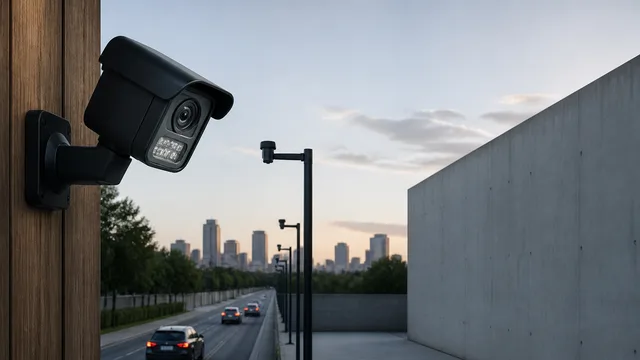
Public backlash against Flock Safety's AI-powered automated license plate reader networks deployed in American towns.
7 articles in this topic · tracking 197 signals across 21 source feeds
About this topic
Flock Safety operates a nationwide network of AI-enhanced cameras that automatically read and log license plates, creating a searchable database used by law enforcement. The technology has expanded rapidly across small towns and cities seeking affordable surveillance tools, but it's now facing mounting opposition from privacy advocates and residents who view it as mass surveillance infrastructure. The company's cameras are designed to identify vehicles involved in crimes, but critics argue the system captures and stores data on millions of law-abiding drivers without meaningful consent or oversight.
Recent reporting has highlighted both the regulatory battles unfolding in communities trying to restrict or ban the cameras and instances of physical resistance, with some residents destroying or vandalizing Flock cameras to protest their installation. These actions reflect broader tension between public safety goals and privacy concerns that characterize debates over surveillance technology. Supporters, including police departments and some city officials, argue the cameras help solve crimes and deter criminal activity. Opponents contend that the cameras disproportionately affect minority communities, create detailed movement profiles on innocent people, and lack adequate safeguards against misuse or data breaches.
The Flock camera controversy exemplifies the challenge facing American towns as they weigh the appeal of AI-powered crime-fighting tools against legitimate privacy and civil liberties concerns. Unlike decisions made in major cities with dedicated privacy advocates and legal resources, small towns often lack the expertise or institutional pressure to scrutinize these technologies before deployment. As more communities awaken to what these systems entail, Flock's expansion is increasingly running into local resistance that questions whether automated mass surveillance should be the default approach to public safety.
BuzzRAG Coverage
A removed Flock camera exposed stored media, detection logs and an encryption key, sharpening the debate over roadside surveillance and oversight rules.
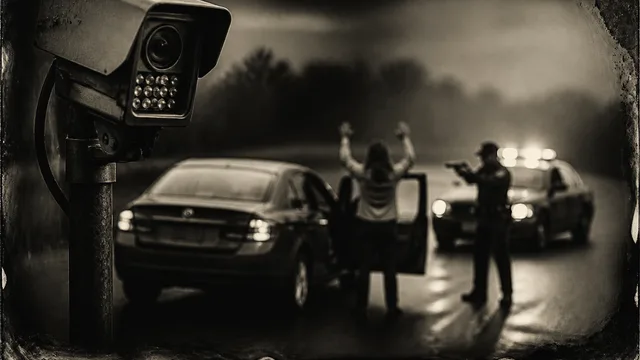
A Wisconsin woman was surrounded by police at gunpoint twice due to a Flock license plate reader error. Her story isn't an outlier—it's a pattern.
Flock cameras aren't really a safety-vs-privacy debate. They're a question about who absorbs the risk when surveillance has no warrant requirement.

Flock Safety's license plate readers are spreading fast. Retired Microsoft engineer Dave Plummer breaks down what they actually capture—and what's at stake.
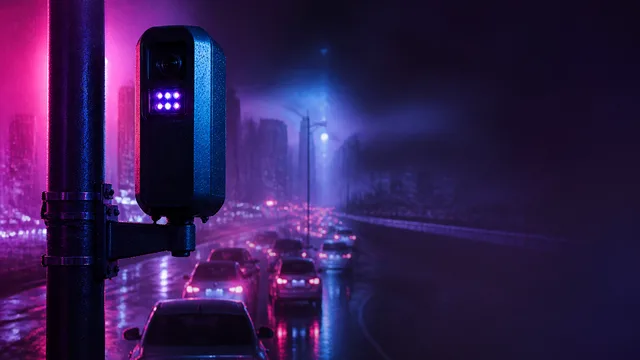
Jeffrey Sovern faces felony charges for destroying Flock Safety cameras in Virginia. His crowdfunded defense has become a flashpoint in the surveillance debate.

Flock Safety's AI-powered cameras are spreading fast across U.S. cities—and they're capturing far more than license plates. Here's what's at stake.
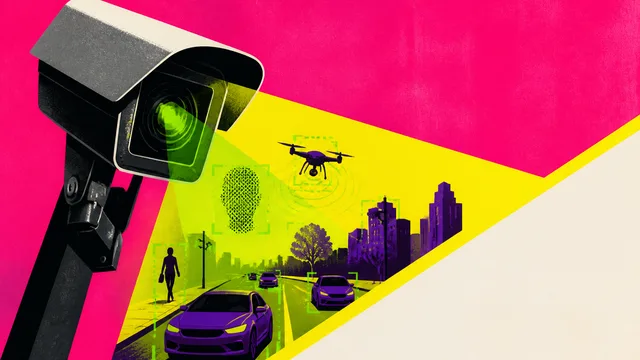
Marc Andreessen pitched AI surveillance on JRE—and he has a financial stake in it. A genetics reporter asks the question nobody else did.

24 of 197 signals from source feeds

Hacker News Newest

SlashGear - Tech, Cars, Gaming, Science, & Reviews

404 Media

CNET News

Hacker News Newest

Slashdot
Slashdot

Hacker News Front Page
Hacker News Newest

Slashdot
These are external articles in the Tech desk that match this topic. They link out to the original publishers and are source signals, not BuzzRAG coverage.