AI. Mike Sullivan5 months ago
Atlas Can Lift a Fridge. Now What?
Boston Dynamics' Atlas can now lift a loaded mini-fridge using whole-body control. Here's what the demo actually tells us—and what it doesn't.

What's Breaking Through
The rapid advancement of humanoid robots with improved capabilities, real-world applications, and emerging regulatory and ethical challenges
3 articles in this topic · tracking 745 signals across 19 source feeds
About this topic
Humanoid robots have transitioned from research prototypes to increasingly capable machines that can perform complex physical tasks in real-world environments. Companies like Boston Dynamics and Unitree are pushing the boundaries of what these machines can do, developing robots that can manipulate heavy objects, navigate unpredictable terrain, and execute nuanced movements once thought impossible for machines. Atlas, for instance, has demonstrated the ability to lift refrigerators and perform industrial tasks, while competitors are developing comparable or complementary capabilities. These advances are driven by breakthroughs in reinforcement learning, computer vision, and actuator design, allowing robots to learn from experience and improve their performance over time.
The rapid deployment of humanoid robots into industrial and service sectors is creating a parallel need for governance frameworks that don't yet exist. Unitree's development of mech-style robots designed for potential military or security applications has highlighted a critical gap: regulatory structures have not kept pace with robotic innovation. Unlike autonomous vehicles or drones, which have received regulatory attention, humanoid robots operate in a largely unregulated space where questions about safe deployment, operator liability, and misuse prevention remain unanswered. This governance vacuum exists globally, with particular implications for how different regions like China and the West will approach robotic development and deployment.
Looking ahead to 2026 and beyond, humanoid robots are expected to become softer, smarter, and more capable—but also raising deeper questions about their role in society. Beyond technical improvements, the cluster of developments highlights broader concerns about automation's impact on labor markets, the potential militarization of advanced robotics, and the ethical frameworks needed to guide deployment. As these machines move from industrial applications into service roles and potentially security functions, stakeholders across industry, government, and academia are grappling with how to balance innovation with responsible development.
BuzzRAG Coverage
Boston Dynamics' Atlas can now lift a loaded mini-fridge using whole-body control. Here's what the demo actually tells us—and what it doesn't.
From warm-skinned social companions to armed robotic wolf packs, humanoid robots in 2026 are forcing questions we don't have answers to yet.
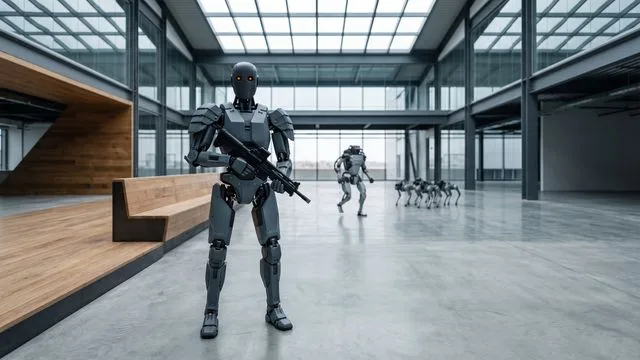
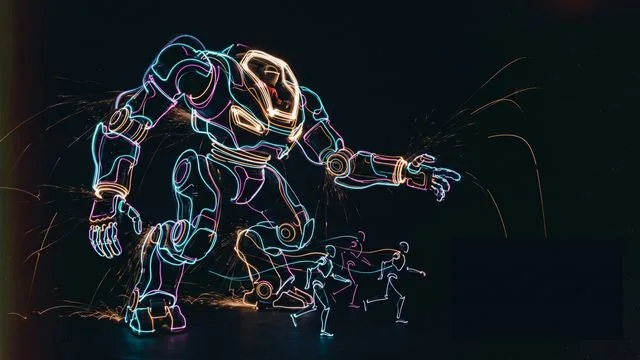
Unitree's GD01 manned mecha is commercially available and already deploying abroad. The regulatory framework to govern it doesn't exist yet.
20 of 745 signals from source feeds

TechCrunch

The Next Web
The Next Web

Platformer
The Next Web

Hacker News Newest

Latest news
TechCrunch AI
TechCrunch
TechCrunch
These are external articles in the Tech desk that match this topic. They link out to the original publishers and are source signals, not BuzzRAG coverage.