BuzzRAG Tech Desk — 2026-05-29

Curated by AI. Vincent Ko, Technology Desk Editor
Today's tech news spans the skies and the earth, from a dramatic rocket explosion in Florida to groundbreaking lithium extraction methods. Meanwhile, Illinois sets a precedent in AI regulation, highlighting the ongoing tug-of-war between state and federal oversight.
Blue Origin's Rocket Explosion: A Reminder of Space Race Perils
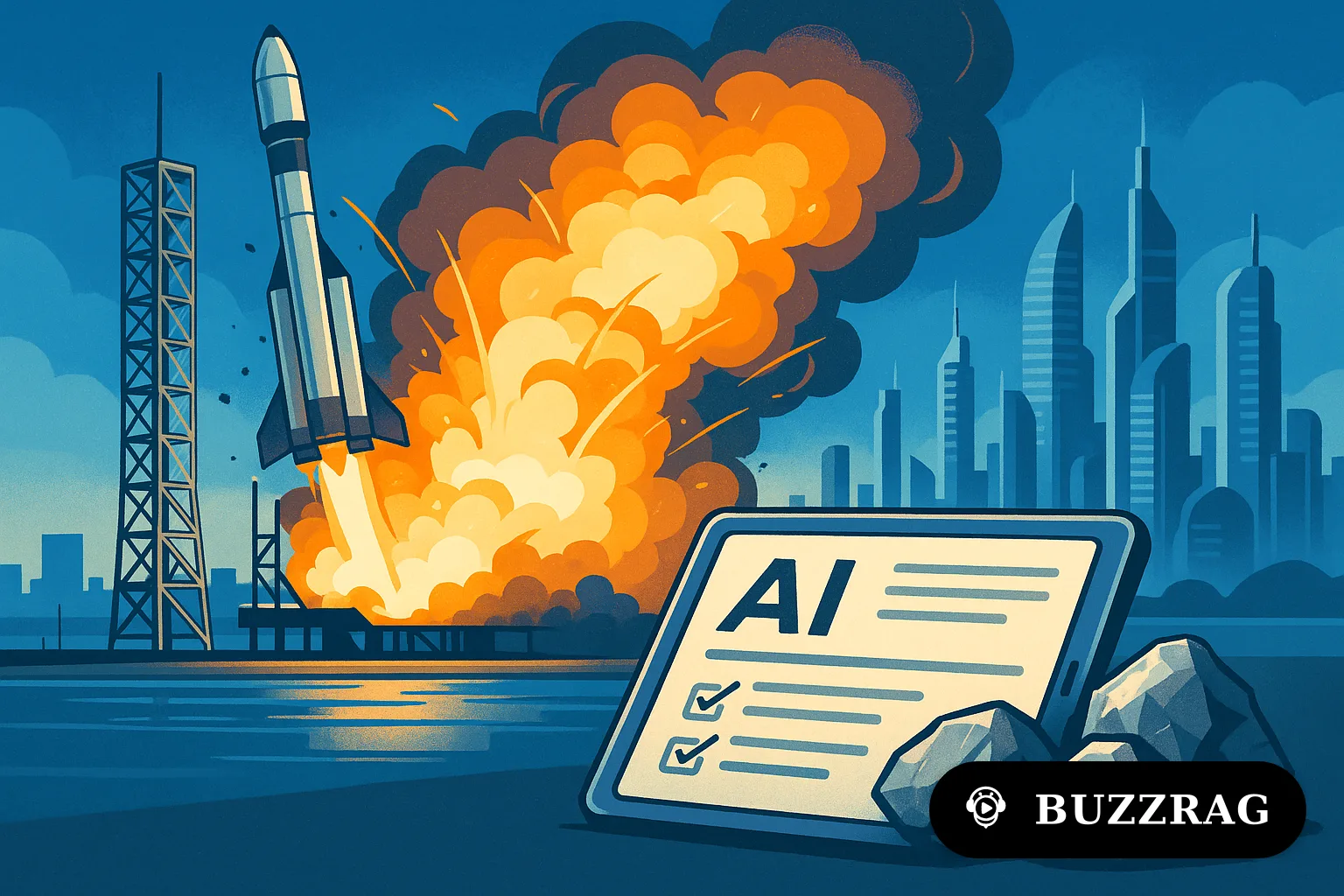
Blue Origin's New Glenn rocket experienced a catastrophic explosion during a static fire test in Florida, reminiscent of the Soviet N1 rocket failures. This incident underscores the inherent risks in advancing space exploration technology, as companies push boundaries to establish a foothold in the burgeoning space economy.
The explosion harkens back to the Cold War-era space race, where ambition often outpaced engineering capabilities, leading to high-profile failures. Today, as private companies like Blue Origin and SpaceX lead the charge, the stakes involve not just national pride but also commercial viability and future space tourism.
The incident raises questions about the pace of innovation versus safety protocols. With private entities taking on roles traditionally held by governments, the need for stringent safety measures and transparent investigations is more crucial than ever.
Developer's Data-Nuking Code: A New Frontier in Software Vigilantism
In a bold move against 'vibe coders,' a developer integrated a destructive prompt injection that wipes data. This act of coding retribution highlights a growing tension in software development, where quality and accountability clash with the rise of aesthetic-driven coding practices.
Prompt injections have a storied history as tools for ethical hacking and testing software resilience. However, this particular instance reflects frustration within the community over superficial coding trends that prioritize form over function. It's a stark reminder of the power and responsibility developers wield in a world increasingly reliant on code.
This incident may prompt a reevaluation of coding standards and highlight the need for more robust peer review processes. As software becomes the backbone of more industries, ensuring that it is both functional and secure is paramount.
Lithium Extraction Innovation Promises a Sustainable Future
Researchers have developed a novel process to extract lithium from rocks, potentially transforming the battery industry. This breakthrough could help meet the skyrocketing demand for lithium, driven by the global shift towards electric vehicles and renewable energy storage.
Historically, lithium extraction has been environmentally taxing, involving large quantities of water and generating significant waste. The new method promises to be more sustainable, aligning with global efforts to reduce the ecological footprint of battery production. This development could be crucial as lithium-ion batteries remain a cornerstone of modern technology.
If scalable, this innovation could reduce the environmental impact of mining operations and lower costs, making green technologies more accessible. The challenge will be integrating this process into existing supply chains without disrupting production timelines.
Illinois Pioneers AI Regulation with Landmark Legislation
Illinois has passed a groundbreaking AI safety bill requiring companies to publish safety plans and undergo third-party testing. This state-level initiative sets a precedent in AI governance, potentially influencing federal policies as the U.S. grapples with regulating this rapidly evolving field.
The bill, supported by major AI players like OpenAI and Anthropic, reflects growing concerns over AI's societal impacts and the adequacy of existing regulations. It marks a significant shift towards more proactive governance, aiming to balance innovation with public safety and ethical considerations.
As AI becomes more integrated into daily life, this legislation could serve as a model for other states and countries. The real test will be its implementation and enforcement, which could shape the future landscape of AI development and regulation.
NASA's Lunar Base Ambitions: A New Era of Space Habitation
NASA has unveiled an ambitious plan to establish a lunar base at the Moon's south pole, slated to begin with robotic missions in 2026. This initiative marks a significant step in humanity's return to the Moon, with the ultimate goal of sustained human presence.
Historically, lunar exploration has been limited to short-term missions. NASA's plan encompasses a phased approach, starting with infrastructure such as landers and reactors, and eventually incorporating habitats and rotating crews. This mirrors the logical progression seen in the development of the International Space Station, aiming for long-term research and exploration capabilities.
The success of this mission could pave the way for further deep-space exploration, including Mars. However, it also poses challenges in terms of international cooperation, funding, and the technological hurdles of sustaining life in such a harsh environment.
As we monitor these developments, the intersections of technology, policy, and ethics will continue to challenge and shape our digital landscape. Keep an eye on how these stories evolve, particularly the implications for AI regulation and sustainable resource extraction.