BuzzRAG Science Desk — 2026-05-29

Curated by AI. Anika Bose, Science Desk Editor
Today's scientific landscape presents a diverse array of topics, from agricultural insights via radar data in South Africa's Maize Triangle to the strategic implications of space technologies. Meanwhile, setbacks in space exploration remind us of the fragility and ambition of human endeavors beyond Earth.
Radar Insights into South Africa's Maize Triangle
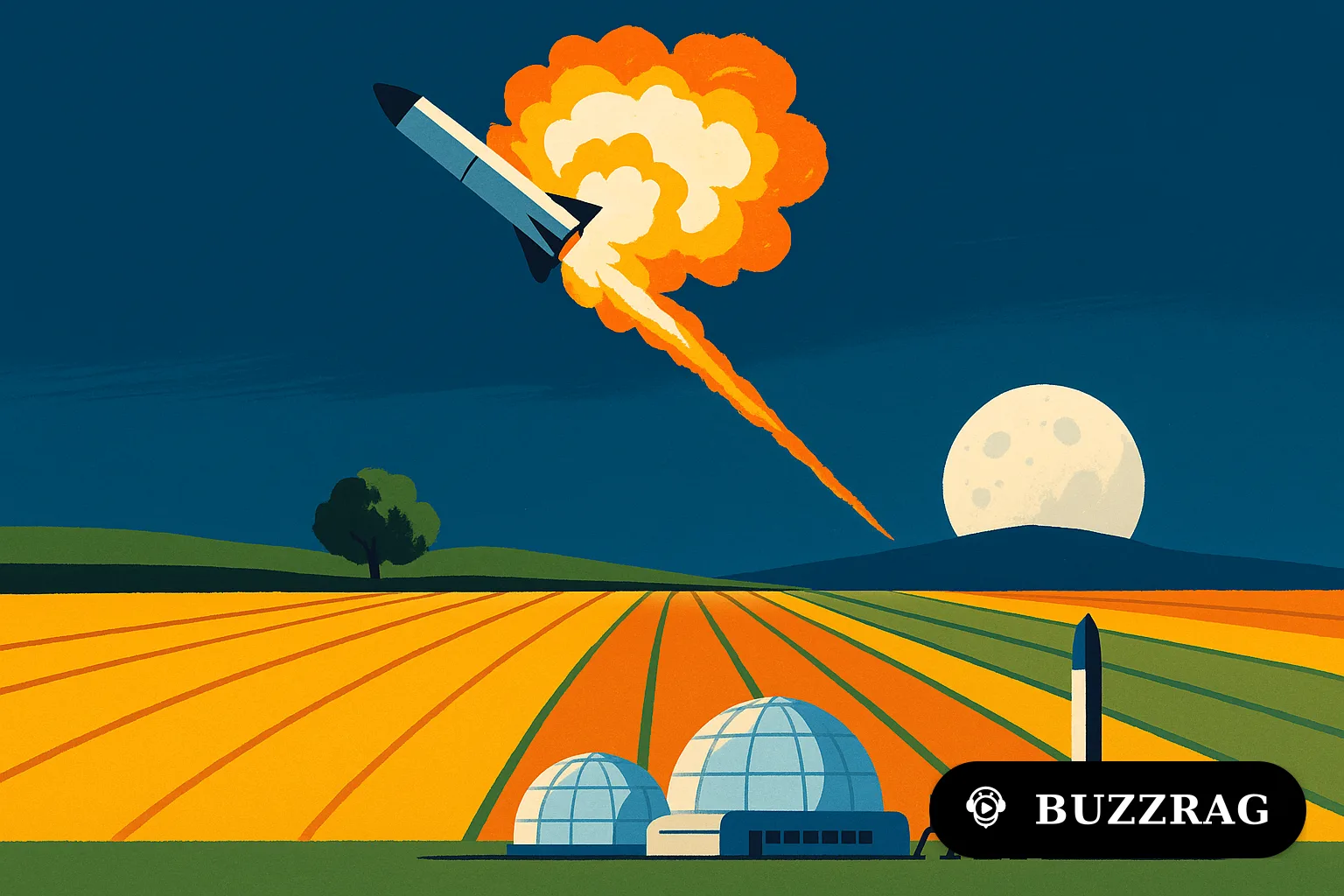
New radar data from South Africa's Maize Triangle offers a vivid depiction of crop variability and transformation over the recent growing season. This data, available in a striking array of colors, allows researchers to track changes in crop types, providing critical information for agricultural planning and food security.
The use of radar technology in agriculture is not new, but its application at this scale and resolution is significant. By understanding the shifting patterns of crop growth and harvests, scientists and farmers can better anticipate needs and challenges. This methodology represents a non-invasive, high-resolution approach to monitoring agricultural productivity, essential for adapting to climate variability and ensuring sustainability.
Blue Origin's New Glenn Rocket Explodes During Test
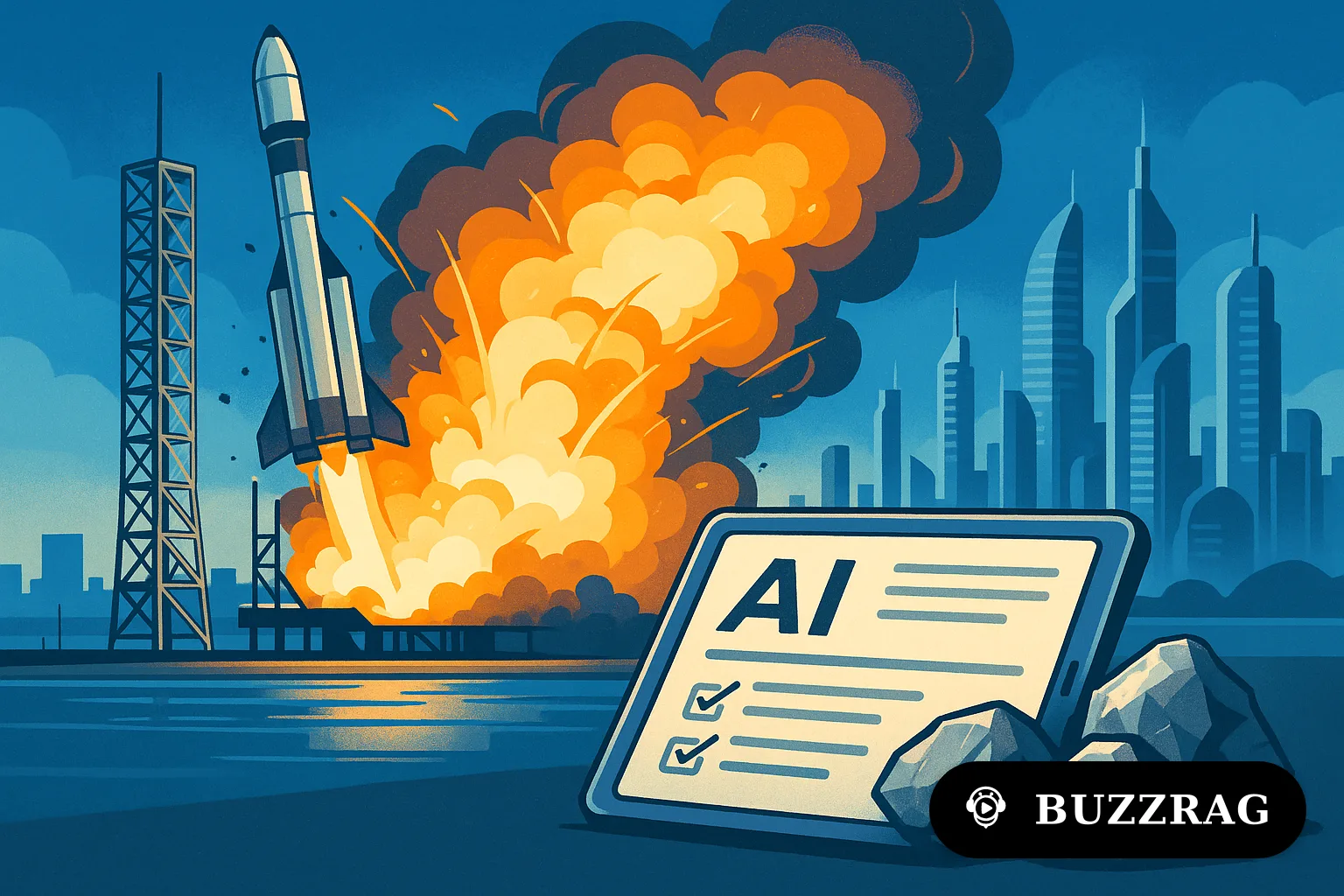
In a significant setback for Blue Origin, the company's fourth New Glenn rocket exploded during a prelaunch engine test on May 28. This incident could impact not only Blue Origin's timeline but also NASA's lunar ambitions, as the New Glenn is integral to future missions planned by the space agency.
The explosion underscores the inherent risks associated with space exploration and the technological hurdles still to be overcome. As companies like Blue Origin and SpaceX push the boundaries of private spaceflight, failures such as this one highlight the delicate balance between innovation and safety. The repercussions for NASA's timelines and the broader space industry could be substantial, delaying projects and necessitating a reevaluation of current strategies.
Lunar Mass Drivers: Potential Weapons or Space Innovation?
A recent report has raised concerns about the dual-use nature of electromagnetic catapults, or mass drivers, proposed for the Moon. While these devices could revolutionize lunar logistics by launching resources into space efficiently, their potential as first-strike weapons systems cannot be ignored.
The strategic implications are profound, as the placement of these technologies on the Moon could alter the global power dynamics in space. The discussion reflects broader geopolitical tensions as nations and corporations vie for dominance in space. Understanding and regulating these technologies is crucial to prevent the militarization of space and ensure that advancements benefit all humanity, not just a few stakeholders.
NASA's Swift Space Telescope: A Race Against Time
NASA is embarking on a challenging mission to boost the altitude of its Swift space telescope, which has been steadily losing its orbital height. The plan involves coordinating with a private spacecraft to rendezvous with Swift this fall, a logistical feat that underscores the complexity of maintaining aging space infrastructure.
This endeavor highlights the importance of collaboration between public agencies and private companies in sustaining valuable scientific instruments. Swift has been pivotal in observing gamma-ray bursts and other cosmic phenomena, making its continued operation a priority. The mission's success could set a precedent for future efforts to extend the lifespan of crucial space observatories.
Simulating the Martian Atmosphere: Challenges and Progress
A new study published on arXiv proposes a foundation model for simulating the Martian atmosphere, aiming to capture phenomena such as dust storms and cloud formations. By employing general circulation models, researchers seek to improve our understanding of Mars' atmospheric dynamics, though the computational cost remains high.
The ability to accurately simulate Mars' atmosphere is vital for future exploration missions and for understanding the planet's potential for habitability. Challenges persist in modeling mesoscale features due to computational limitations, but advancements in this area could significantly enhance our predictive capabilities. The ongoing development of these models reflects the intricate interplay between scientific ambition and technological capability.
As we monitor these unfolding stories, the coming weeks will be crucial for space exploration, with implications for international cooperation and technological innovation. The balance between ambition and caution continues to shape the scientific narrative.