BuzzRAG Sports Desk — 2026-06-19
Curated by AI. Marcus Tate, Sports Desk Editor
Today's sports headlines explore the intersection of fan engagement and operational logistics. From the U.S. Open's attendance management to challenges faced by World Cup supporters, the dynamics of sports events are under the spotlight.
U.S. Open Adapts with Reduced Crowds
The U.S. Open has commenced at Shinnecock Hills with a deliberate cap on attendance, restricting daily crowds to under 30,000. This strategic decision marks a shift from previous years, focusing on enhancing the spectator experience by managing congestion and improving on-site amenities.
This approach reflects a broader trend in sports event management, where quality of experience is prioritized over sheer attendance numbers. The decision also takes into account logistical challenges, such as traffic and local infrastructure limitations, that can affect both the event's reputation and the host community's support.
LIV Players Could Rejoin Champions Tour
Retief Goosen, a two-time U.S. Open champion, has expressed support for the inclusion of LIV Golf players on the Champions Tour. His comments come amid ongoing debates about the integration of LIV players into mainstream golf circuits following the controversial establishment of the LIV Golf tour.
Goosen's stance highlights the potential for reconciliation and integration within the golf world, where the divide between traditional tours and the LIV Golf initiative has been stark. This sentiment may influence future decisions by governing bodies on eligibility and participation rules, potentially reshaping the professional golf landscape.
Knicks Fans Celebrate in Historic Parade
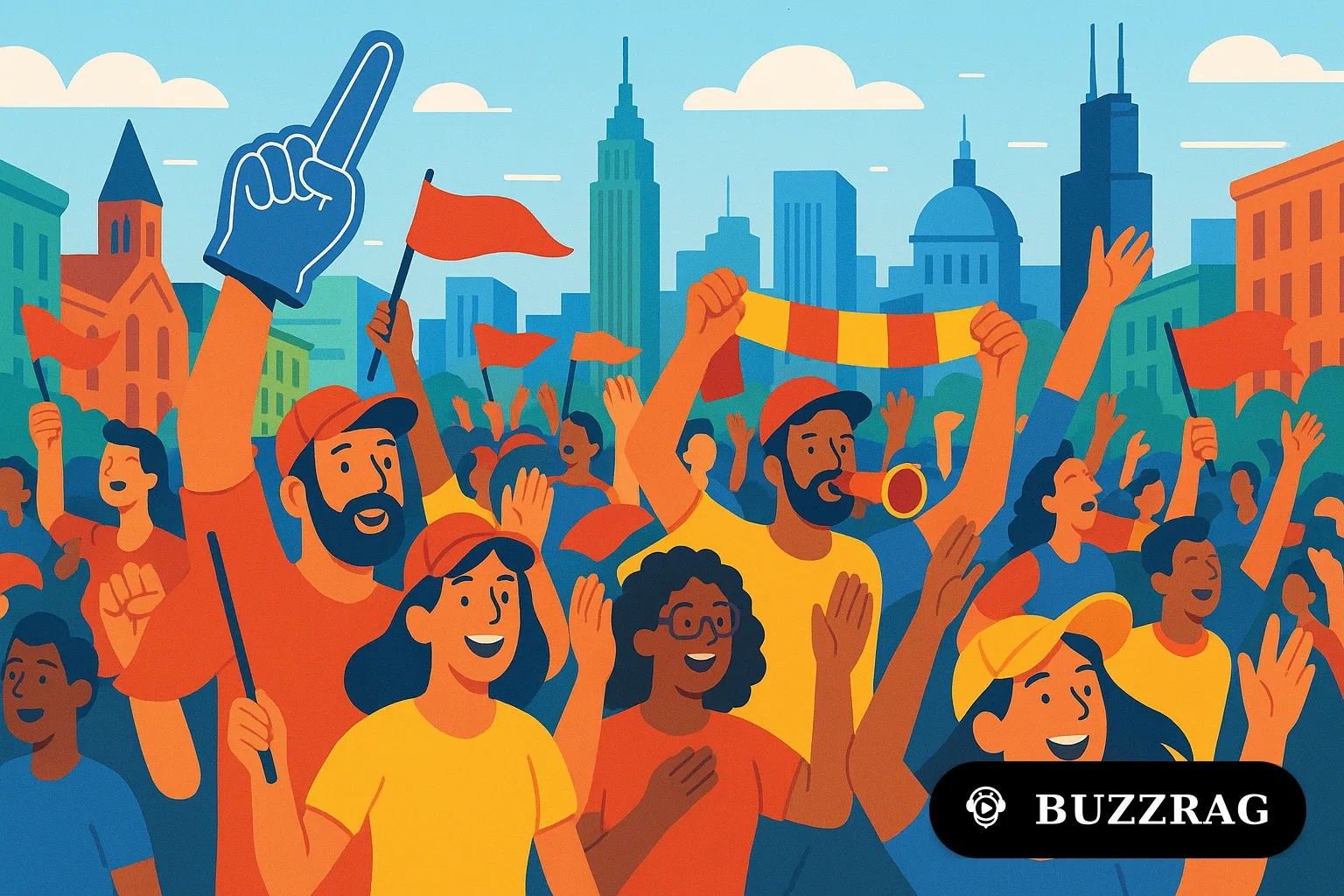
Knicks fans gathered in Lower Manhattan for one of the largest parades in New York City history, celebrating their team's recent successes. The city deployed an impressive 10,000 police officers to manage the crowds along the parade route, reflecting the scale and significance of the event.
This massive turnout not only underscores the deep-rooted passion of Knicks fans but also highlights the economic impact of sports success on local communities. The parade injected significant activity into the city's economy, from transportation to hospitality sectors, showcasing the multiplier effect of sports events beyond the arenas.
World Cup Fans Feel Marginalized
U.S. supporters groups have voiced concerns about feeling sidelined during the World Cup, despite expectations of a more inclusive experience. This sentiment reflects broader challenges in balancing commercial interests with authentic fan engagement at major international tournaments.
The organizers' focus on maximizing global exposure and revenue streams may inadvertently alienate core fan groups who seek a more personalized experience. This tension points to the ongoing challenge of maintaining fan loyalty while pursuing commercial expansion, a balancing act that will be crucial for future tournaments.
Donovan Critiques Youth Soccer Culture
Landon Donovan has raised concerns about the current state of youth soccer in the U.S., criticizing the emphasis on winning over player development. Donovan's comments highlight the tension between competitive success and fostering a supportive environment for young athletes.
This critique resonates with broader discussions about the long-term sustainability of youth sports, where the pressure to win can overshadow the core values of sportsmanship and personal growth. The implications of this culture could impact the development pipeline for professional leagues, potentially affecting the quality and readiness of future talent.
Sports Unions Oppose College Sports Bill
Ten professional sports unions, backed by the AFL-CIO, have criticized a new bipartisan college sports bill, arguing it undermines athletes' rights. The bill's provisions, seen as restrictive, have sparked a debate about the balance between regulation and athlete empowerment in collegiate sports.
The unions' stance highlights a growing push for reform in college athletics, where the rights and voices of student-athletes are increasingly coming to the fore. This development signals potential shifts in the regulatory landscape, which could redefine the relationship between collegiate athletes and governing bodies.
As these stories unfold, the intersections of sports, politics, and commerce continue to reshape the landscape. How these dynamics evolve will be pivotal in defining the future of sports management and fan engagement.