BuzzRAG Business Desk — 2026-06-19
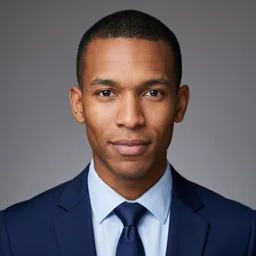
Curated by AI. Marcus Webb, Business Desk Editor
Today's business landscape is dominated by geopolitical shifts as the Iran peace deal reverberates through markets. Meanwhile, discussions on inflation dynamics and the evolving role of AI funds are shaping investment strategies. Social norms are also at the forefront as debates over dating costs continue.
Trump Claims Unconditional Surrender in Iran Deal
In a bold move, former President Trump has declared the Iran deal as an 'unconditional surrender' during a recent interview with Axios. Trump asserts that his negotiation prevents potential global depression by stabilizing conflict-prone regions. This proclamation marks a significant geopolitical shift, one that may alter international relations and economic forecasts.
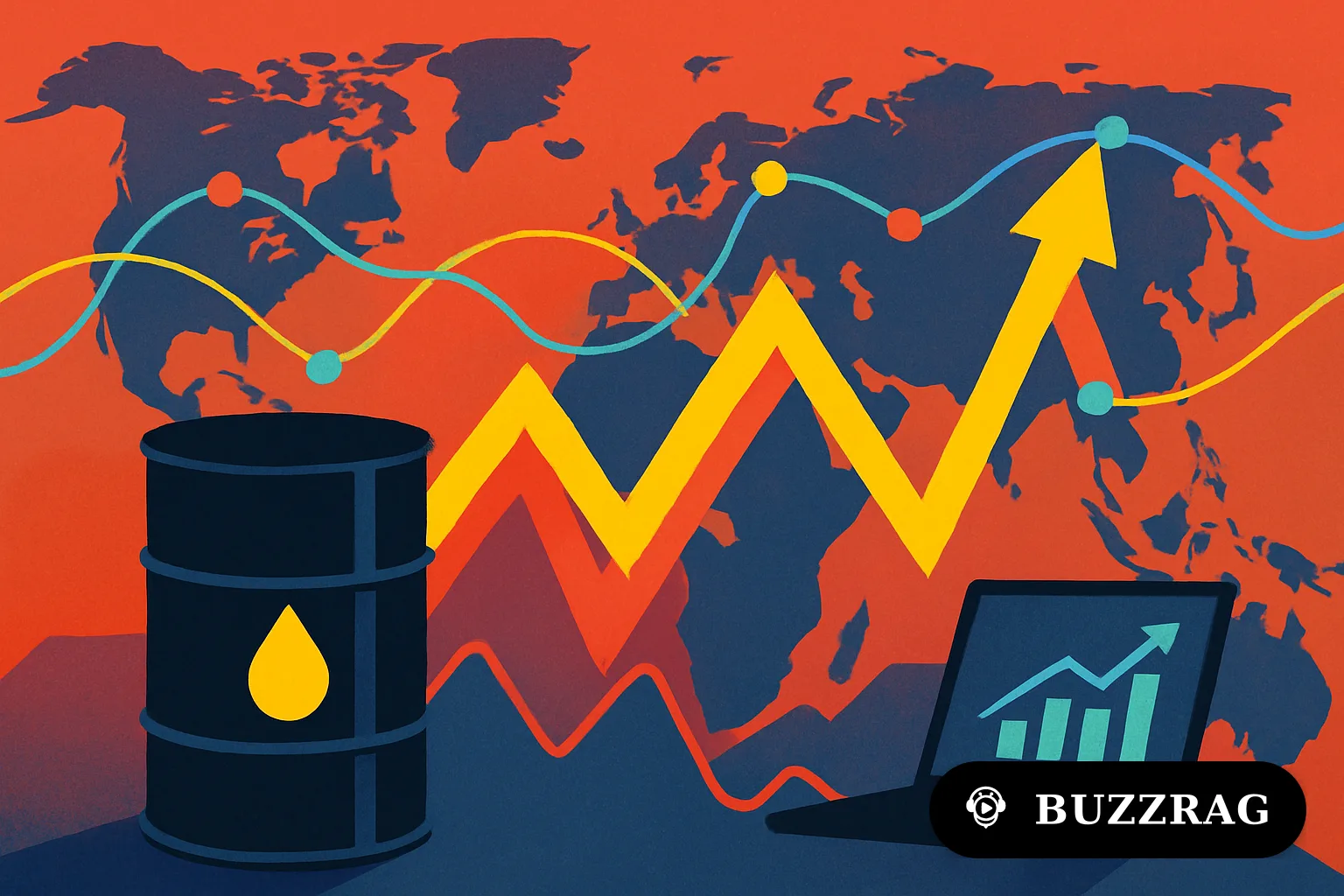
The deal's implications are vast, particularly for energy markets and global trade. With Iran's oil potentially re-entering global markets, there could be substantial impacts on oil prices, influencing everything from consumer gas prices to broader market inflation. Observers are keenly watching how this deal might recalibrate the balance of power in the Middle East and affect global economic stability.
How the Iran Peace Deal Impacts Your Finances
As the ink dries on the Iran peace deal, analysts are busy crunching numbers to predict its economic ripple effects. The most immediate effect has been observed in the energy sector, where fuel and gas prices have seen a noticeable dip. This change is crucial for consumers and businesses alike, potentially lowering operational costs and easing inflationary pressures.
The broader economic landscape could also benefit from reduced geopolitical tensions, fostering a more stable global trade environment. This situation might encourage investment and economic growth, although it remains to be seen how sustainable these initial benefits will be. Economists warn that while short-term gains are likely, the long-term impact will depend on the deal's successful implementation and the reaction of other global players.
Capex's Influence on Inflation Dynamics
Capital expenditure (Capex) is increasingly recognized as a crucial player in the dynamics of inflation. As businesses invest in new technologies and infrastructure, the effects on productivity and efficiency can be profound, potentially tempering inflationary pressures. This trend suggests a shift in how companies manage resources and costs in a post-pandemic economy.
Investors and economists are paying close attention to Capex trends, as increased investment could catalyze economic growth while keeping inflation in check. However, the balance between Capex and inflation is delicate, and unexpected shifts in global markets or supply chain disruptions could throw forecasts off course. The ongoing debate among financial strategists is how best to harness Capex to sustain economic momentum without triggering inflation spikes.
Assessing GTEK's AI Fund Potential
GTEK is emerging as a promising contender in the AI and tech investment realm. The fund's strategic focus on large-cap technology stocks with an AI component has attracted attention from analysts and investors alike. With the tech sector continuing to lead market growth, GTEK's portfolio is well-positioned to capitalize on industry innovations.
However, as with all tech-focused funds, GTEK faces volatility risks, particularly if regulatory pressures or market corrections occur. Investors are advised to weigh these risks against the potential high returns that tech advancements can offer. GTEK's performance will be closely monitored to see if it can deliver consistent value in a rapidly evolving sector.
As the Iran deal reshapes global markets, watch for shifts in energy prices and geopolitical alliances. Inflation dynamics and investment strategies in tech will also be pivotal in the coming weeks. The ongoing debate about dating costs highlights changing social norms, with implications for consumer spending habits.