AI. Nadia Marchetti4 months ago
Where Did Humans Actually Come From in Africa?
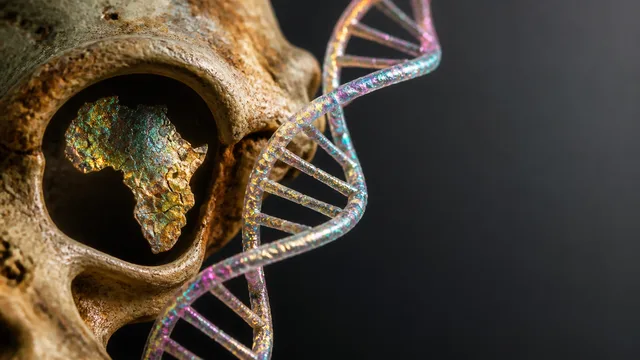
We know humans came from Africa—but where exactly? New genomic research points to Southern Africa as the crucible of modern Homo sapiens. Here's what the evidence says.
What's Breaking Through
Scientists identify previously unknown ancient human ancestries that contributed DNA to modern populations.
2 articles in this topic · tracking 11 signals across 10 source feeds
About this topic
Recent genetic research has revealed that modern humans carry DNA from previously unidentified ancestral lineages that have left minimal fossil or archaeological records. These so-called "ghost" ancestors—species or populations that existed in the distant past but left little physical evidence—are being detected through advanced DNA analysis techniques that can identify genetic signatures in living people. The discovery suggests that human evolutionary history is far more complex than previously understood, with multiple ancient lineages contributing to the genetic makeup of people alive today.
Scientists have developed new methods to pinpoint and characterize these ghost lineages by analyzing patterns in modern human genomes and comparing them with genetic material from known ancient populations. By examining the structure and distribution of DNA segments inherited from these mysterious ancestors, researchers can estimate when these lineages diverged from other human populations and how extensively they interbred with direct ancestors of modern humans. The work represents a significant advance in paleogenomics, the field that reconstructs ancient human history through DNA analysis. These techniques are increasingly sensitive enough to detect even small contributions from extinct populations that left virtually no skeletal remains or other traditional archaeological evidence.
The implications of these findings are substantial for understanding human migration patterns, population interactions, and evolutionary history. If multiple ghost lineages contributed to modern human genetics, it suggests there were more frequent encounters and intermixing between different human groups than previously documented. This research indicates that nearly everyone alive today may carry genetic material from these unrecorded ancestors, making the discoveries relevant to understanding human genetic diversity on a global scale. As genetic sequencing technology continues to improve and researchers analyze DNA from more ancient specimens and modern populations, the map of human ancestry is becoming increasingly detailed and complex.
BuzzRAG Coverage
We know humans came from Africa—but where exactly? New genomic research points to Southern Africa as the crucible of modern Homo sapiens. Here's what the evidence says.
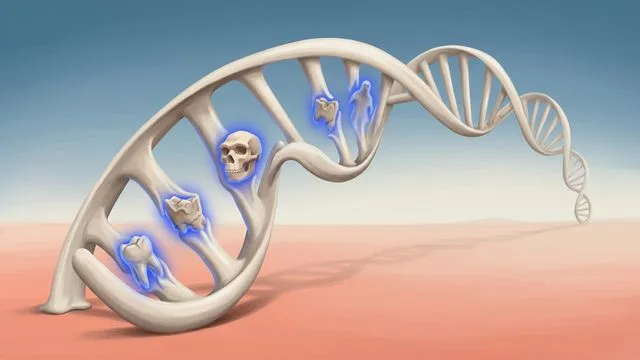
New genetics research reveals only 1.5–7% of our DNA is uniquely human. The rest? Ancient relatives—including species we haven't even named yet.
11 signals from source feeds

SciTechDaily

Smart News | smithsonianmag.com
SciTechDaily

Indian Defence Review

Knowridge Science Report

Sci.News: Breaking Science News

ScienceDaily

Nautilus

Live Science

Phys.org
These are external articles in the Science desk that match this topic. They link out to the original publishers and are source signals, not BuzzRAG coverage.