AI. Mei Zhang2 months ago
DC Is Releasing 600,000 Mosquitoes to Fight Mosquitoes
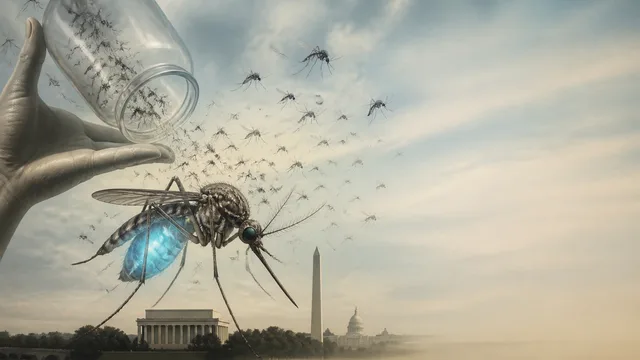
Washington DC is deploying 600,000 Wolbachia-infected male mosquitoes this summer to crash local populations. Here's the biology, the stakes, and the bigger picture.
What's Breaking Through
Projects to release genetically modified mosquitoes to combat disease vectors, and public concerns about the practice.
2 articles in this topic · tracking 10 signals across 5 source feeds
About this topic
Google and partner organizations are advancing a controversial approach to disease control by developing and potentially releasing millions of genetically modified mosquitoes into the wild. The primary goal is to reduce populations of disease-carrying mosquitoes, particularly those that transmit West Nile Virus and other illnesses. These bioengineered insects, often referred to as "good mosquitoes," are designed to be sterile or to carry genes that suppress reproduction in wild populations, theoretically breaking disease transmission cycles without using traditional pesticides or other chemical interventions.
The scientific community has largely embraced this approach as a promising tool for public health. Researchers point to the potential benefits of reducing populations of dangerous species like Aedes aegypti without harming ecosystems or relying on broad-spectrum chemicals. Pilot programs have demonstrated technical feasibility, and proponents argue the method could provide significant protection against West Nile Virus and other mosquito-borne diseases. The scale of Google-backed initiatives—potentially releasing tens of millions of mosquitoes across California, Florida, and other regions—reflects growing confidence in the technology's viability.
However, public reaction has been mixed to decidedly negative. Residents in affected areas express concerns about unintended ecological consequences, the long-term effects of releasing genetically modified organisms into natural environments, and questions about regulatory oversight and informed consent. The announcement of these releases has sparked debate about whether communities have adequate voice in decisions that affect their local ecosystems. Additionally, unrelated pest concerns, such as the discovery of flesh-eating screwworm in livestock, highlight how disease vectors and parasitic threats remain persistent challenges requiring ongoing vigilance and intervention strategies across multiple fronts.
BuzzRAG Coverage
Washington DC is deploying 600,000 Wolbachia-infected male mosquitoes this summer to crash local populations. Here's the biology, the stakes, and the bigger picture.
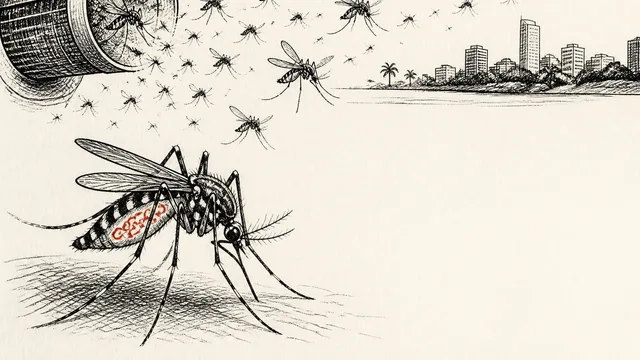
Google's Verily wants to release 32 million Wolbachia-carrying mosquitoes in Florida and California. The science is real. The questions are bigger than the video admits.
8 of 10 signals from source feeds

Phys.org
Phys.org
Phys.org
Phys.org

Futurism

Live Science

Smart News | smithsonianmag.com

Animals Around The Globe
These are external articles in the Science desk that match this topic. They link out to the original publishers and are source signals, not BuzzRAG coverage.