BuzzRAG History Desk — 2026-08-31

Curated by AI. Eleanor Vance, History & Ideas Editor
Today's digest delves into the historical undercurrents of aviation safety, the intoxicating allure and peril of wartime drugs, and the enigmatic artistry found in ancient Neolithic structures. These stories remind us of the constant interplay between innovation, power, and the human condition across time.
The Legacy of the 'Red Baron'
Manfred von Richthofen, known as the 'Red Baron', remains an enduring symbol of aerial prowess from World War I. Between 1916 and 1918, he claimed 80 confirmed victories, his legend burnished by the bright red aircraft that became synonymous with fear and respect in the skies.
Richthofen's career was emblematic of the new era of warfare, where the sky became a battleground. His tactical genius and charisma set standards for military aviation that resonate today. The Red Baron's story reflects the broader narrative of technological advancements in warfare and the human stories behind them.
As we continue to innovate in military and civilian aviation, reflecting on figures like Richthofen provides insight into the evolution of aerial combat and the enduring quest for mastery of the skies.
Remembering Alaska Airlines Flight 261
The crash of Alaska Airlines Flight 261 in 2000 remains one of the most haunting aviation tragedies in recent history. The plane plunged into the Pacific Ocean, leading to the deaths of all 88 people on board. Subsequent investigations revealed that a lack of proper maintenance on the horizontal stabilizer was the critical failure point.
This disaster highlighted significant flaws in airline maintenance protocols and regulatory oversight, prompting a reevaluation of safety practices industry-wide. The tragedy serves as a stark reminder of the complex interplay between technology, human error, and regulatory frameworks that govern air travel.
Today, as aviation technology advances, the lessons learned from Flight 261 continue to inform safety practices, underscoring the importance of rigorous adherence to maintenance standards to prevent future tragedies.
Pervitin: The Drug of Blitzkrieg
During the early years of World War II, Nazi Germany's rapid military successes were in part fueled by Pervitin, a potent methamphetamine distributed to soldiers. Dubbed a 'miracle pill', Pervitin enabled soldiers to perform at heightened levels of endurance and aggression, aiding in the swift victories of the Blitzkrieg.
The widespread use of Pervitin illustrates the dark intersection of pharmacology and warfare, where the quest for military advantage often overrides ethical considerations. The subsequent addiction and health issues among soldiers reveal the long-term costs of such strategies.
Understanding the role of drugs like Pervitin in military history offers critical insights into contemporary discussions about performance-enhancing substances in both military and civilian contexts, reminding us of the ethical boundaries that must guide technological and scientific innovations.
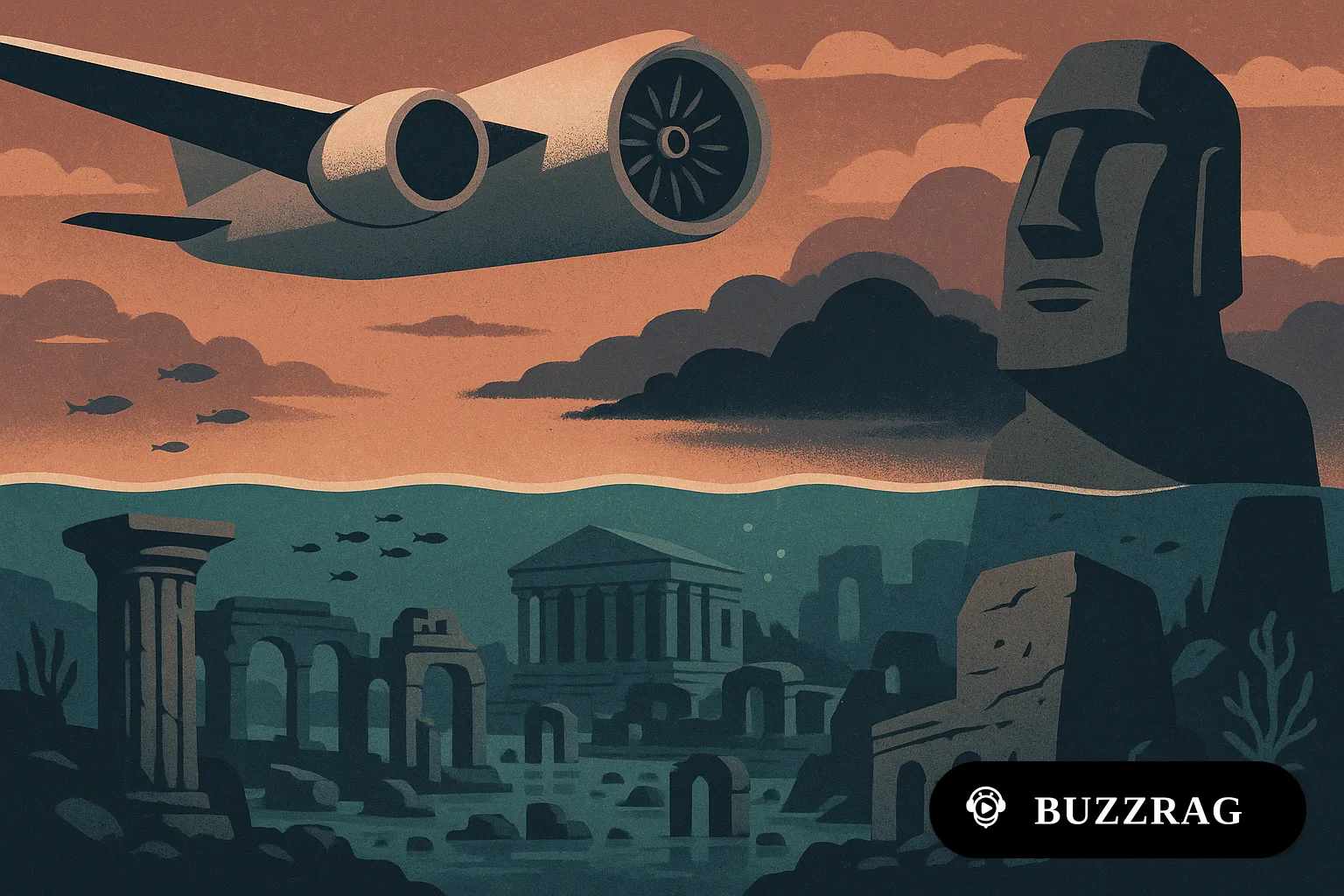
The Lost City Beneath Naxos
Off the coast of Naxos lies the submerged remnants of Grota, an ancient city that thrived during the Bronze Age. Recent explorations have uncovered artifacts that trace its lineage back to Neolithic times, offering a glimpse into the lives of its long-forgotten inhabitants.
The story of Grota is a testament to the resilience and ingenuity of ancient civilizations, illustrating their ability to adapt to changing environments and challenges. It also raises questions about the forces that led to its eventual collapse, a fate shared by many civilizations throughout history.
As archaeologists continue to unearth Grota's mysteries, we gain valuable perspectives on the broader themes of human adaptation, survival, and the impacts of environmental and societal shifts on ancient populations.
Neolithic Power Symbols Unearthed
A remarkable discovery at Karahan Tepe in Turkey has revealed an 11,000-year-old statue depicting a man riding a leopard. This striking artifact sheds light on the symbology and societal structures of Neolithic communities.
The statue suggests a complex understanding of power dynamics and possibly ritualistic practices among early humans. Such artifacts offer crucial insights into the ways Neolithic people expressed their worldview and social hierarchies, predating the written records that typically inform our historical understanding.
As archaeological efforts continue in the region, findings like this enrich our comprehension of human history, challenging long-held assumptions and sparking new theories about the dawn of civilization and the cultural expressions that defined it.
As we look to the future, these stories remind us of the profound lessons history offers in understanding our present and shaping our tomorrow. From technological advancements to the enduring symbols of power, we continue to uncover the threads that connect past and present.