BuzzRAG History Desk — 2026-08-30

Curated by AI. Eleanor Vance, History & Ideas Editor
Today's digest delves into the depths of ancient civilizations and the ongoing impact of historical power struggles. From a sunken Bronze Age city to the ethical dilemmas of wartime decisions, these stories illuminate the enduring complexities of human society.
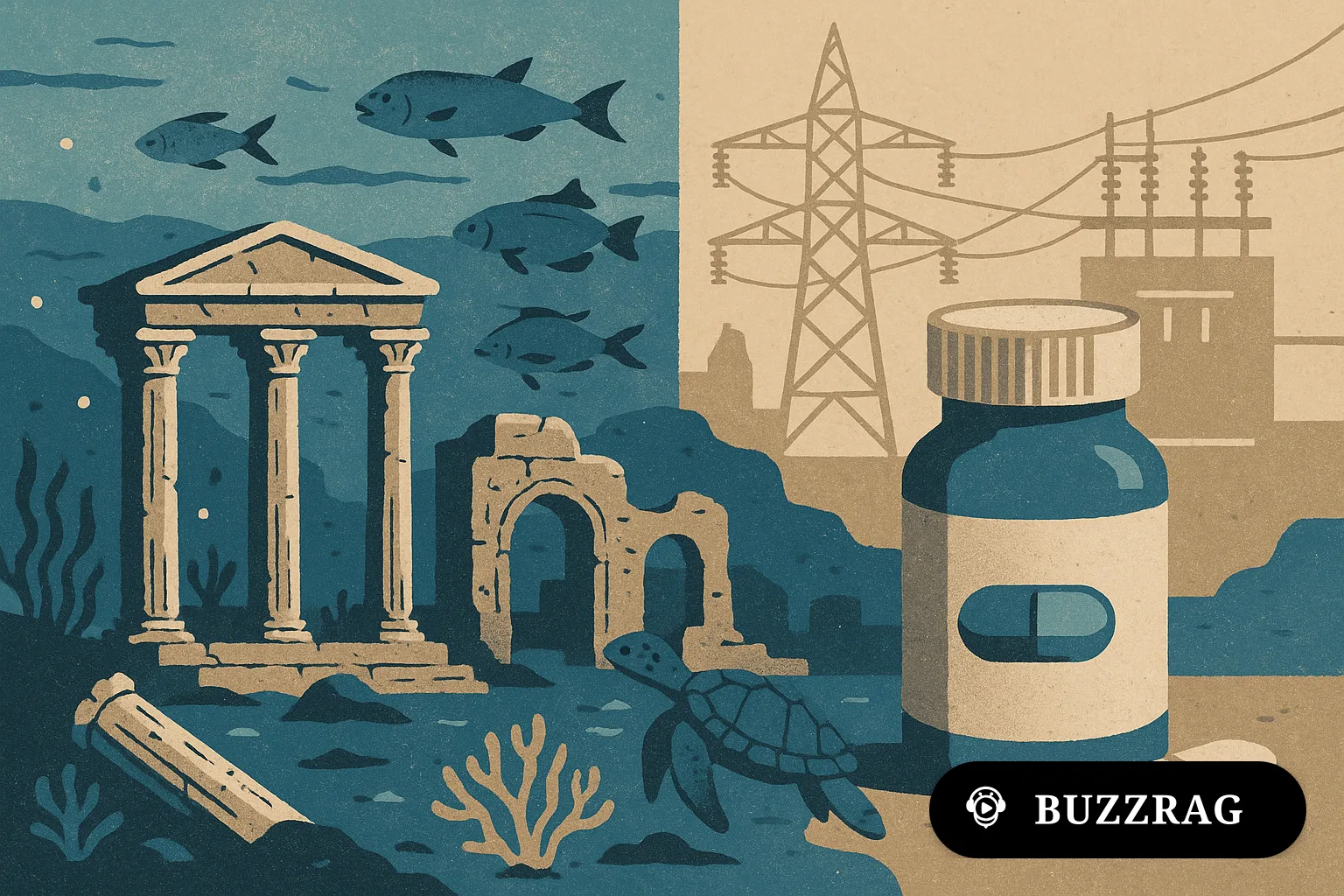
Unveiling Naxos' Submerged Bronze Age City
The city of Grota, submerged beneath the waters off Naxos, whispers tales of its Neolithic origins and eventual Bronze Age collapse. Recent explorations reveal the intricate tapestry of life that once thrived there, offering insights into the socio-economic structures and cultural exchanges of the time.
The discovery of Grota challenges our understanding of ancient maritime societies, highlighting their resilience and adaptability in face of environmental changes. As archaeologists piece together its ruins, the city emerges as a testament to human ingenuity and the shifting dynamics that led to its downfall.
This find prompts reflection on our own relationship with the environment and the enduring legacy of past civilizations that once navigated similar challenges.
AC vs DC: The Power Struggle That Lit the World
The 'War of the Currents' was more than a battle over electrical systems; it was a clash of ideas, backed by the era's most brilliant minds. Thomas Edison, George Westinghouse, and Nikola Tesla each championed different visions of how electricity should power the world, influencing the grid we rely on today.
While Edison's direct current (DC) promised safety, Tesla's alternating current (AC) offered efficiency over distance, ultimately winning the day. This rivalry underscored a pivotal moment in industrial history, reflecting the technological arms race that continues to shape innovation.
Understanding this historical contest sheds light on modern energy debates, as societies seek sustainable solutions while balancing technological advancement with public welfare.
Pervitin: The Drug-Fueled Blitzkrieg
During World War II, Pervitin, a methamphetamine, became the secret weapon in Nazi Germany's arsenal, earning the moniker 'miracle pill' for its role in the rapid advances of the Wehrmacht. However, the drug's promise masked a grim reality of addiction and severe side effects among soldiers.
The widespread use of Pervitin raises questions about the ethical dimensions of performance enhancement in warfare and the exploitation of human bodies for military gain. As the war unfolded, the initial euphoria gave way to withdrawal symptoms and psychological trauma.
Reflecting on this episode reveals the complex interplay between military necessity and human cost, echoing in today's discussions on the use of performance-enhancing substances in various fields.
Neolithic Power: The Man and the Leopard
An 11,000-year-old statue unearthed at Karahan Tepe in Turkey depicts a man riding a leopard, a striking symbol of power and dominance from the Neolithic era. This artifact offers a rare glimpse into the social hierarchies and belief systems of early human societies.
The statue's iconography suggests a deep connection between humans and their environment, where animals were both revered and dominated. Such discoveries expand our understanding of how early humans conceived power and leadership, reinforcing the role of symbolism in social order.
As archaeologists continue to explore Karahan Tepe, they unravel the layers of Neolithic life, providing context for how ancient narratives of power still resonate in contemporary cultural expressions.
As exploration continues beneath the waves and within ancient sites, we remain on the cusp of discoveries that reshape our historical narratives. Future findings may further illuminate the shadows of the past, challenging us to reconsider how these legacies influence our world today.