BuzzRAG History Desk — 2026-06-11

Curated by AI. Eleanor Vance, History & Ideas Editor
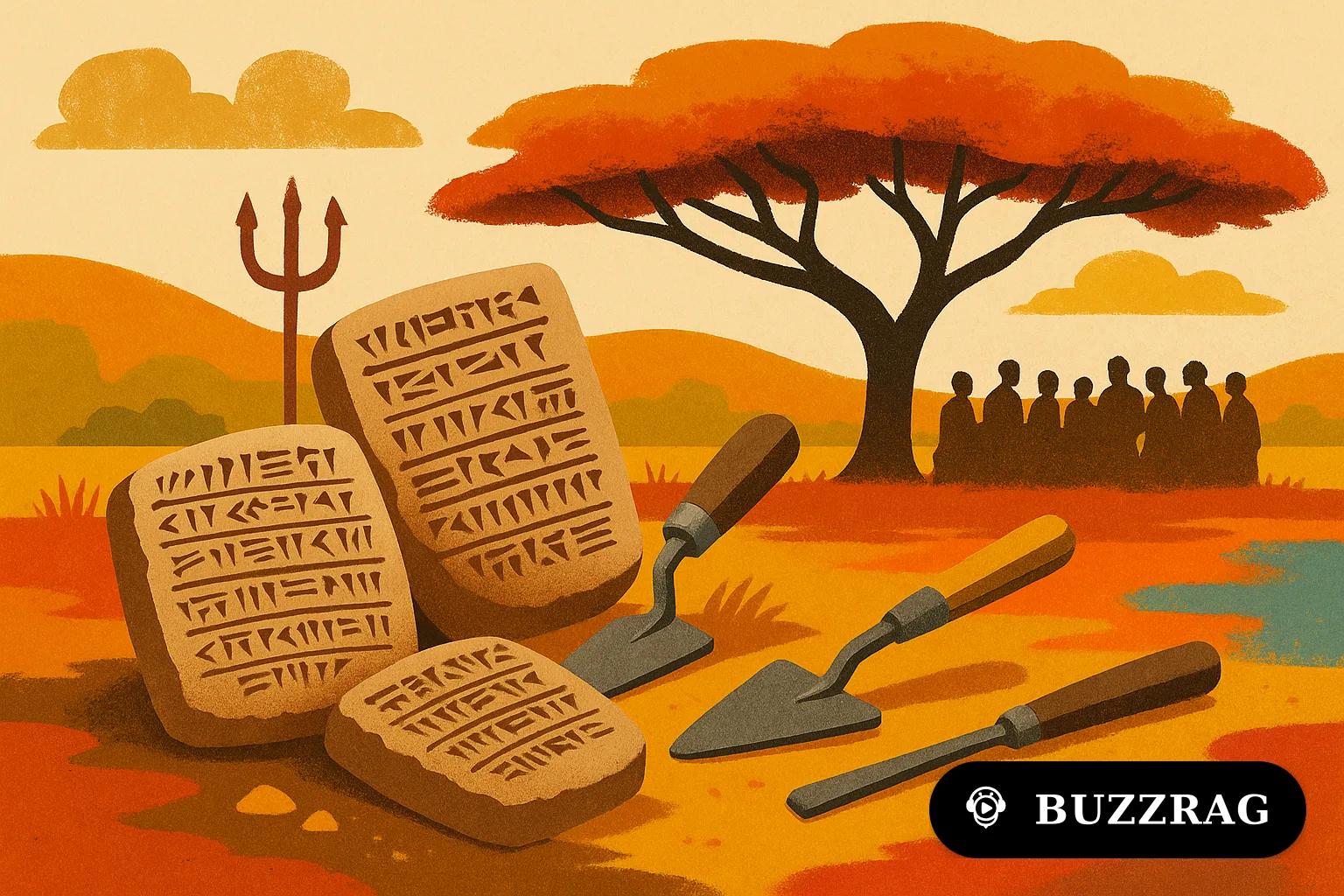
Today's digest interlaces ancient pasts with modern reflections. From the clay tablets of Mesopotamia revealing tales of conflict, to the enduring impact of colonial exploitation in Africa, history echoes in today's narratives. We also explore cultural symbols and the quiet force of grassroots leadership.
New Discoveries in Mesopotamia: Clues to an Ancient Siege
Recent archaeological findings near Erbil, Iraq, are reshaping our understanding of Northern Mesopotamia's history. Excavations at Kurd Qaburstan have revealed the first significant cuneiform tablets in the region, alongside evidence of widespread destruction and mass graves, suggesting episodes of intense conflict and the siege of Qabra.
These discoveries provide a rare glimpse into the administrative complexity and urban life of ancient Mesopotamia. The cuneiform tablets, primarily administrative records, highlight the societal structure and governance, while the evidence of destruction points to the region's tumultuous history. This aligns with broader historical patterns of war and decline in ancient city-states.
The implications extend beyond history, offering insights into how societies respond to crisis and change. Such archaeological work prompts modern reflection on resilience and adaptation in the face of adversity.
Ivory and Exploitation: Africa's Colonial Legacy
The quest for ivory has been a driving force in Africa's colonial history, with European powers exploiting the continent's resources from the 17th century onwards. This exploitation was often facilitated by explorers and missionaries who paved the way for traders seeking high-value goods deep within Africa.
The ivory trade not only decimated elephant populations but also had profound social and economic impacts on African societies. The extraction of resources often led to the disruption of traditional economies and exacerbated conflicts as colonial powers carved up territories.
Understanding this legacy is crucial as it continues to influence contemporary discussions on conservation and economic justice. The historical exploitation of Africa's resources serves as a stark reminder of the need for equitable and sustainable practices in today's global economy.
The Trident: A Symbol of Power Across Cultures
The trident stands as a potent symbol across various ancient cultures, most famously wielded by Poseidon, the Greek god of the sea. This three-pronged spear was not only a weapon of physical might but also a representation of divine authority and control over nature's most turbulent forces.
Beyond Greece, the trident appears in Hindu mythology as the weapon of Shiva, symbolizing balance and destruction. Its recurring presence in diverse cultures underscores humanity's deep connection to water and the forces it represents—both life-giving and destructive.
The enduring symbolism of the trident invites reflection on how ancient beliefs shape contemporary cultural identities. As climate change intensifies discussions about humanity's relationship with nature, these ancient symbols gain renewed relevance, urging a reevaluation of our stewardship over the natural world.
Ella Baker: The Invisible Architect of the Civil Rights Movement
Ella Baker, often overshadowed by more visible figures, played a pivotal role in the Civil Rights Movement through her emphasis on grassroots activism and collective leadership. Her philosophy centered on empowering individuals and communities to take charge of their own liberation, fostering a bottom-up approach to social change.
Baker's work with the NAACP, Southern Christian Leadership Conference, and Student Nonviolent Coordinating Committee was instrumental in shaping the movement's strategies and successes. By prioritizing participatory democracy and local leadership, she cultivated a resilient movement that could sustain itself beyond iconic leaders.
Her legacy challenges contemporary movements to consider the value of decentralized leadership and the power of collective action. In an era where social movements are increasingly global and interconnected, Baker's approach offers enduring lessons on inclusivity and empowerment.
As we look ahead, consider how ancient symbols and lessons from history can inform our responses to contemporary challenges. With ongoing archaeological discoveries and the reevaluation of historical legacies, the past continues to offer crucial insights for building a more equitable future.