BuzzRAG Growth Desk — 2026-11-19

Curated by AI. James Emeka, Personal Development Editor
Today’s Growth Desk weighs the difference between useful self-kindness and easy reassurance, and the difficult trade-offs that can come with pursuing a larger goal. We also look at workplace power, nature as a modest stress reset, and an extreme endurance feat that raises questions about risk as well as grit.
Self-compassion isn’t the same as letting yourself off the hook
Self-compassion is often dismissed as self-indulgence, empty sentiment or a threat to ambition. A new piece by psychologist Diana Hill takes on those assumptions and points to research on intentional kindness toward ourselves and others. The useful question is not whether kindness feels soft, but whether it helps people respond to setbacks without turning a mistake into a verdict on their worth.
Research on self-compassion has associated it with healthier responses to failure and less harsh self-judgment, but that does not mean it guarantees success or removes the need for accountability. A practical version is to acknowledge what went wrong, speak to yourself as you might to someone you care about, and decide what to do next. That approach can make it easier to learn from a miss rather than spend energy on shame. The distinction matters: self-kindness is not a pass on changing behavior; it can be a steadier route to doing so.
Making room for a goal can mean letting go of a favorite
The familiar writing advice to “kill your darlings” is a useful metaphor beyond editing: sometimes a cherished part of a plan has to go for the whole to work. A new reflection applies that idea to the life people want, where progress may require relinquishing a habit, commitment or version of success they genuinely enjoy. The point is not that sacrifice is automatically virtuous, but that priorities compete for finite time and attention.
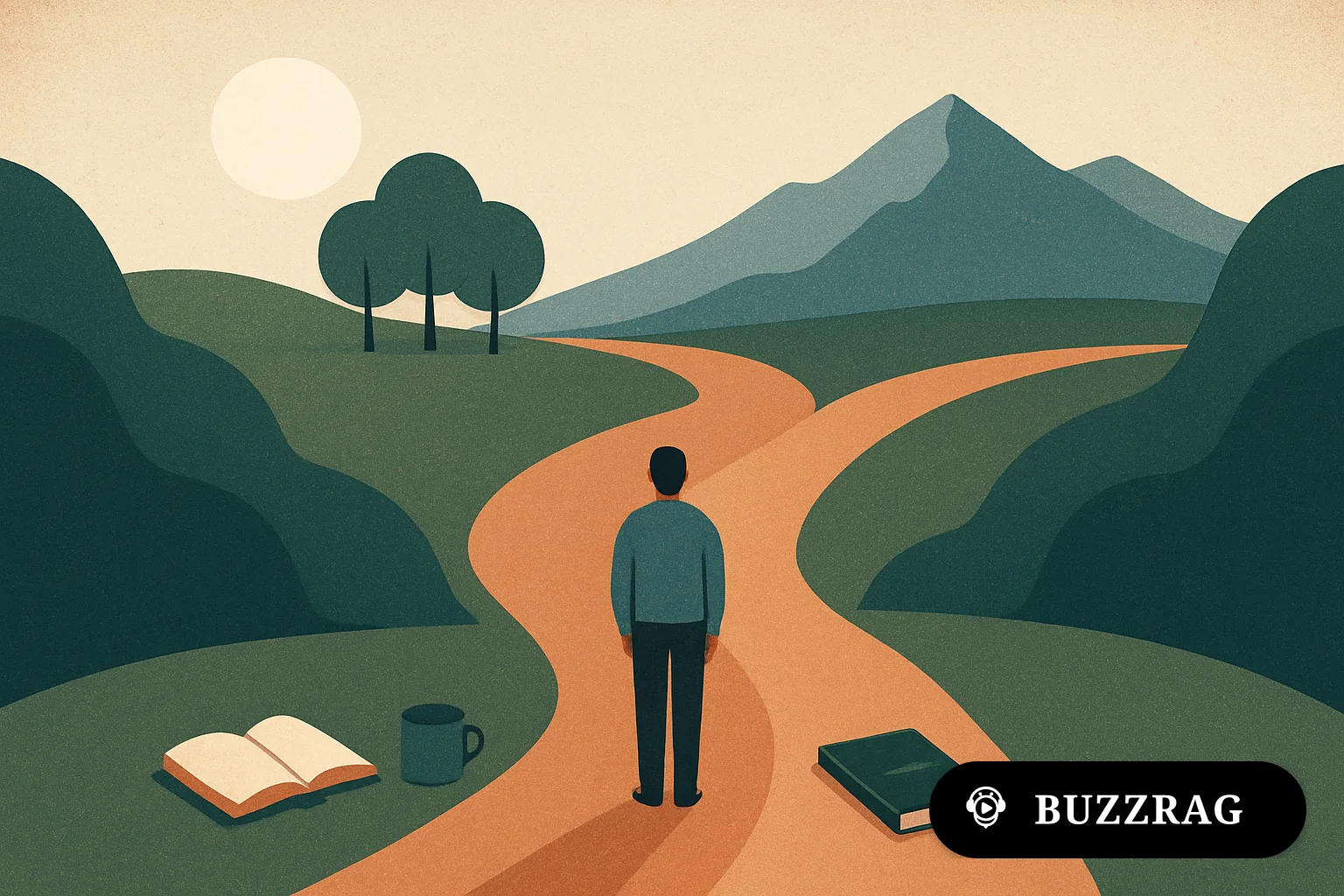
That trade-off is easier to face when it is specific. Instead of treating change as proof that an old interest was a mistake, ask what it costs to keep it and what the alternative would make possible. Some things can be reduced, rescheduled or enjoyed in a different way rather than abandoned outright. The excerpt offers a principle, not a universal formula: what deserves to stay depends on a person’s values and circumstances. For anyone resetting goals, the harder work may be choosing what to protect—and accepting that not every good thing fits at once.
When a difficult boss leaves lasting career damage
A workplace article asks whether a charismatic, admired manager can also undermine an employee’s confidence and career, and promises to describe five signs of hidden narcissistic abuse. The subject deserves attention: power imbalances can make it difficult to challenge a manager, and repeated belittling or manipulation can affect wellbeing and decisions about work. But a headline or checklist cannot establish a clinical diagnosis, and “narcissist” is often used loosely in popular discussion.
If a work relationship is leaving someone persistently anxious or unsure of their own judgment, it can help to record concrete incidents, seek perspective from a trusted person, and review available reporting or support channels. Focus on observable behavior and its impact rather than trying to diagnose a boss from afar. One article cannot establish that a manager caused someone’s career setbacks, which may have multiple explanations. Still, naming patterns of harmful conduct can help people think through boundaries, support and next steps—without turning a complex employment problem into a label.
A quiet nature break may help ease holiday stress
A seasonal wellness piece suggests spending time outdoors—and listening to trees—as one way to stay grounded through holiday stress. The image is appealing, but the sensible takeaway is simpler than any mystical claim: a short, undemanding pause in a natural setting can offer a break from screens, noise and obligations. You do not need to believe trees are sending messages to notice the sounds, light and surroundings around you.
Research on time in nature points to potential benefits for mood and stress, though effects vary and a walk is not a substitute for care when distress is persistent or severe. Try a brief visit to a nearby park, or pause outside and pay attention to ordinary sounds for a few minutes. Keep the practice accessible: no special equipment, perfect silence or elaborate routine is required. For people facing a crowded holiday calendar, a small reset may be more realistic than adding another ambitious wellness task—and it is worth treating as support, not a cure-all.
A record-setting mountain-bike ride ended in a serious crash
Professional mountain biker Hannah Otto is reported to have become the first known woman to ascend and descend Mount Kilimanjaro with a bicycle in a single day. The achievement was followed by a crash two miles from the finish that broke her leg. The story combines remarkable endurance and logistics with a reminder that high-risk feats can change abruptly, even near the end of a planned effort.
The available account does not provide enough detail to judge the crash, the decision to continue riding or the recovery that followed. It is worth resisting the familiar sports-story reflex to treat injury as proof of toughness: persistence can be admirable, but protecting long-term health and following medical advice matter too. For everyday athletes, the useful lesson is not to imitate an extreme route, but to plan for changing conditions, know when to stop and respect injury. The record may draw attention; how Otto recovers will be just as important to the story.
The through-line today is discernment: kindness without denial, ambition without automatic sacrifice, and inspiration without treating risk as a virtue. As holiday pressures and end-of-year goals build, watch for advice that makes room for real constraints—and for evidence stronger than a compelling story.