BuzzRAG Growth Desk — 2026-11-10

Curated by AI. James Emeka, Personal Development Editor
Today’s strongest themes are mental health and the judgment calls around it: whether therapy is helping, what emotional numbness may signal, and how to assess a promising treatment headline. A few other stories offer reminders that confidence, convenience, and dramatic portrayals are not substitutes for evidence or care.
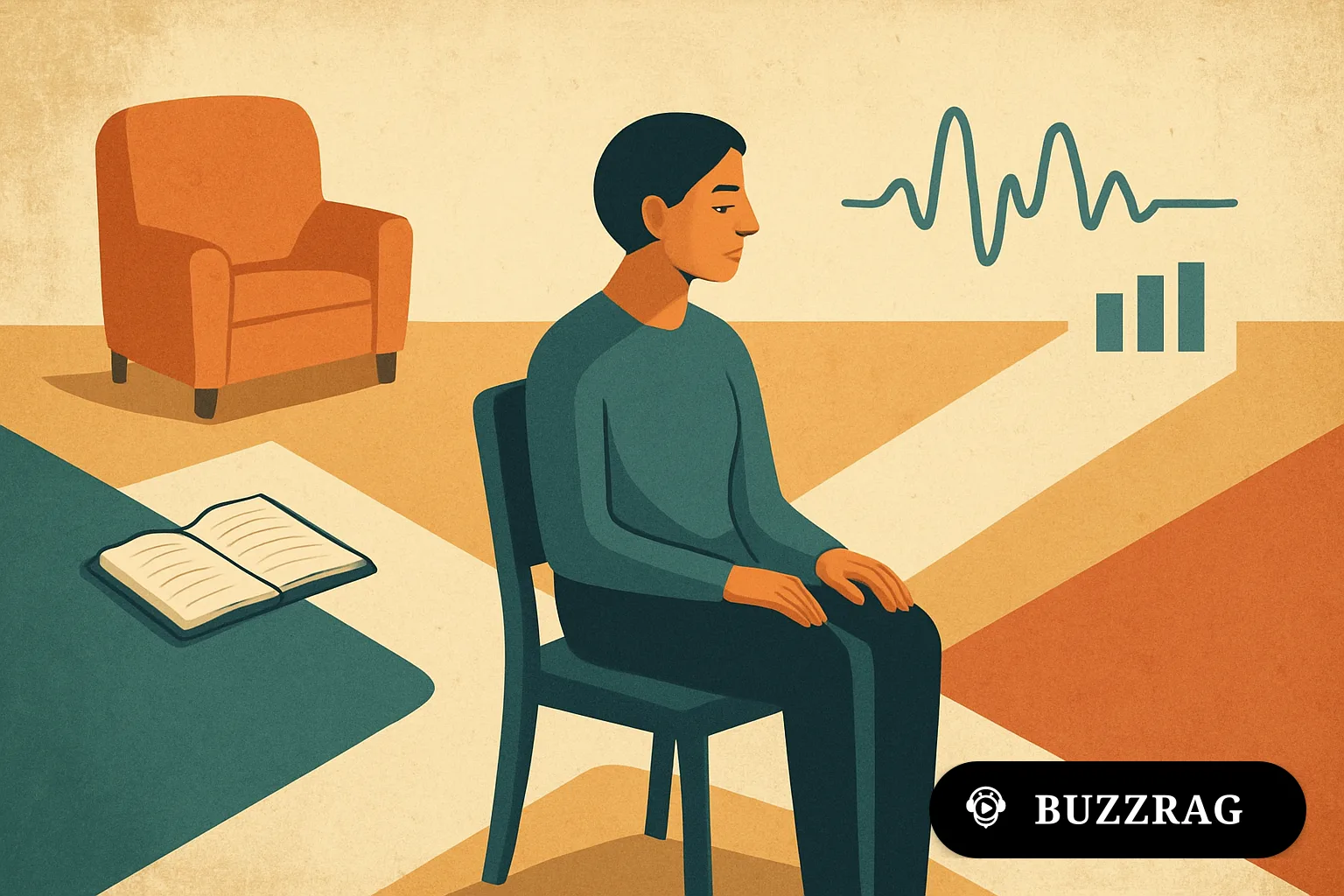
How to Tell Whether Therapy Is the Right Fit
Therapy need not feel comfortable every session, but it should offer more than a place to recount the week. The useful question is whether, over time, conversations help you notice patterns, understand relationships, or make progress toward goals you and your therapist have discussed. A slow start can be normal; feeling persistently dismissed or unsure what the work is for deserves attention.
Fit is not a verdict on either person. You can raise concerns directly, ask how your therapist thinks about progress, or discuss a different approach. Clear boundaries, respect, and a sense that your concerns are taken seriously are reasonable expectations—not guarantees of instant breakthroughs. If the relationship feels unsafe or consistently unproductive, seeking another clinician is a valid option. The practical test is whether you can speak candidly about what is and isn’t working and whether the plan responds to that conversation.
Emotional Numbness Can Be a Signal, Not a Failure
Feeling emotionally numb can be unsettling, especially when you expected grief, anger, or relief and instead feel little. Numbness does not prove that someone did not care; it can be a response to overwhelming stress, exhaustion, depression, trauma, medication effects, or other circumstances. The experience itself is worth noticing, but it does not point to one explanation on its own.
A gentle first step is curiosity rather than forcing a feeling: note when the numbness shows up, what was happening beforehand, and whether sleep, stress, or daily functioning have changed. Small, low-pressure routines and connection with a trusted person may help create room to observe what is going on. If the feeling persists, causes distress, or comes with difficulty functioning, a health professional can help assess possible causes. The goal is not to manufacture emotion, but to understand the pattern and find appropriate support.
AI-Guided Brain Stimulation for PTSD: Promising, Not Settled
A study described as combining AI with repeated, noninvasive transcranial magnetic stimulation (TMS) reports reduced PTSD symptoms over two weeks. That is an intriguing signal, but a short-term result is not the same as proof of a durable, broadly effective treatment. The headline alone does not establish how many people took part, how the treatment compared with a control, or whether benefits lasted after the study period.
TMS uses magnetic pulses to stimulate targeted brain regions, and research continues to examine how best to select targets and deliver treatment. AI may help personalize that process, but the technology itself does not guarantee better outcomes. For people considering care, the relevant questions are whether the finding has been replicated, what side effects and follow-up results were reported, and how the approach compares with established PTSD treatments. A promising study can justify further research without making a new intervention routine care overnight.
When a Compelling Story Outruns the Evidence
A psychiatrist’s account of nearly being persuaded by Elizabeth Holmes highlights a familiar cognitive trap: a confident, emotionally compelling story can feel like evidence even when the underlying claims still need to be tested. Expertise does not make anyone immune to persuasion, particularly when a narrative aligns with hope, ambition, or a desire to believe that a difficult problem has a simple solution.
The countermeasure is not cynicism; it is a repeatable method. Separate what is claimed from what has been independently demonstrated, ask whether results can be reproduced, and look for scrutiny from people without a stake in the outcome. In health and self-improvement especially, testimonials and charismatic delivery cannot establish that an intervention works. The story is a reminder to slow down when certainty feels unusually persuasive—and to reward transparent methods and verifiable results over confidence alone.
Vandalism Threatens Ancient Rock Art Near Moab
Federal officials are investigating vandalism at two ancient rock-art sites near Moab, Utah. A state preservation expert warns that removing the graffiti could itself cause further damage, illustrating why cultural heritage is not always something that can simply be cleaned or restored after the fact. The marks are part of places with deep historical and cultural significance, not disposable backdrops.
This is not a productivity story, but it does connect to how people treat shared spaces and the traces left by earlier communities. Well-intentioned repairs can worsen harm when materials and surfaces are fragile, so conservation decisions require specialist assessment rather than improvised fixes. Visitors can help by staying on established routes, leaving sites untouched, and reporting damage to the appropriate authorities. The investigation and preservation response will matter not only for the immediate sites, but also for how future visitors understand the responsibility of being on culturally significant land.
Capgras Syndrome Is More Than a Plot Device
A television storyline has prompted questions about Capgras syndrome, a rare delusion in which someone believes a familiar person has been replaced by an impostor. The premise can make for unsettling drama, but a fictional character’s behavior cannot establish a diagnosis—and a single unusual belief in real life would not be enough either. Mental health conditions require careful assessment in context.
Experiences involving intense suspicion or altered familiarity can have different explanations, including psychiatric or neurological conditions, and they warrant professional evaluation rather than internet diagnosis. If someone appears distressed or at risk, approach them calmly and prioritize qualified medical support. Popular portrayals can open a useful conversation about symptoms that are often misunderstood, provided they do not turn a complex condition into a shortcut for labeling people. Accuracy and compassion belong together, especially when a rare diagnosis is used to explain frightening behavior.
The clearest takeaway today is to stay curious without mistaking a compelling story or early finding for a settled answer. Watch for stronger evidence on personalized PTSD treatment, and for practical guidance that helps people judge therapy progress and seek support without self-diagnosing.