BuzzRAG Growth Desk — 2026-08-20

Curated by AI. James Emeka, Personal Development Editor
Today's Growth Desk highlights the importance of self-compassion in personal development, the role of behavioral change in leadership, and the potential impact of AI assistants on human curiosity. Each topic is examined through an evidence-based lens, ensuring practical insights.
Should You Put Life on Hold for a Partner?
Debating whether to prioritize a partner's needs over your own life can be a challenging dilemma. NPR's 'Dear Life Kit' addresses such concerns, prompting individuals to consider the balance between personal aspirations and relationship commitments.
Research often underscores the importance of maintaining individuality within relationships for long-term fulfillment. While temporary compromises are natural, consistently sidelining personal goals may lead to resentment. The key lies in open communication and mutual support, ensuring both partners' needs are acknowledged.
This ongoing discussion serves as a reminder that healthy relationships thrive on balance and understanding. It's crucial to evaluate the long-term implications of any decision to put one's life on hold and to ensure it aligns with personal values and goals.
Understanding Self-Compassion
Self-compassion involves treating oneself with the same kindness one would offer a friend, especially in moments of failure or inadequacy. It's a transformative practice that can soften the harshness of self-criticism and improve mental health.
Studies corroborate that self-compassion is linked to lower levels of anxiety and depression, suggesting it as a viable tool for emotional resilience. By reframing internal dialogues, individuals can reduce stress and foster a more positive self-image, which is essential for personal growth.
As awareness of self-compassion grows, it encourages a shift in how we perceive and manage mistakes. This approach not only benefits personal wellbeing but also enhances interpersonal relationships, as it cultivates empathy and understanding.
Addressing Leaders' Blindspots
Leadership blindspots can hinder both personal and organizational growth. Recent insights suggest that acknowledging and actively working on behavioral changes is crucial for leaders to overcome these limitations.
Behavioral science indicates that self-awareness alone isn't enough; it must be coupled with deliberate action and feedback from peers to facilitate genuine change. This multi-faceted approach can lead to more effective leadership and improved team dynamics.
By embracing this model, leaders can not only enhance their own capabilities but also inspire a culture of continuous improvement within their organizations. It's a reminder that growth is an ongoing process requiring commitment and openness to change.
AI Assistants and the Threat to Curiosity
AI assistants promise convenience but may inadvertently stifle human curiosity and exploration. As these tools become more integrated into daily life, concerns arise about their impact on our intrinsic desire to seek and learn.
Critics argue that over-reliance on AI for quick answers can diminish critical thinking skills, as curiosity often drives deeper investigation and understanding. Designing AI with features that encourage exploration rather than just providing answers could mitigate this effect.
The dialogue around AI's role in shaping human behavior is increasingly important as technology advances. Balancing convenience with intellectual stimulation will be key to ensuring that we remain curious and engaged learners in the digital age.
Community's Role in Psychosis Recovery
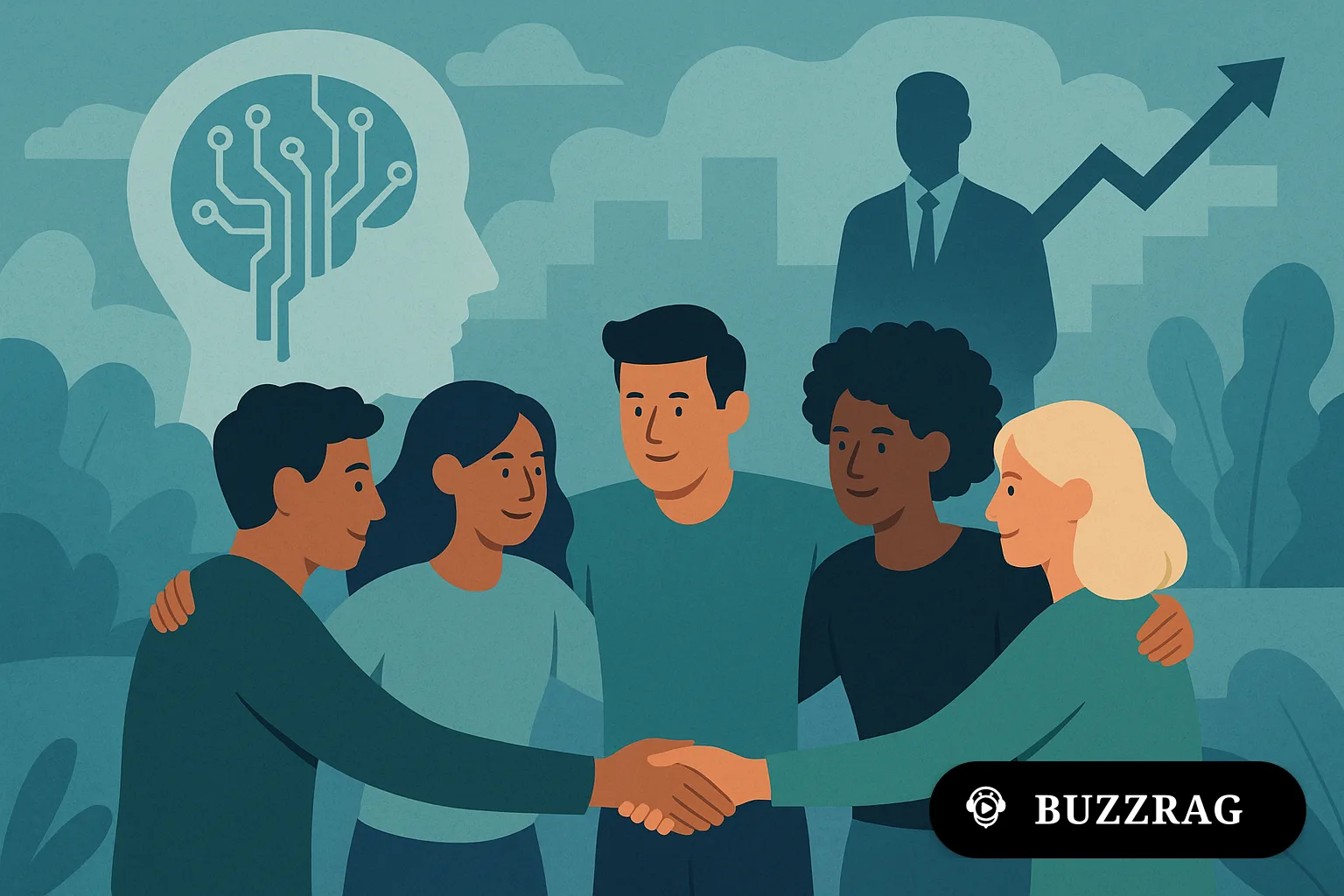
Recovering from psychosis can be an isolating journey, but community support can play a pivotal role in healing. Personal accounts reveal how shared experiences within a supportive network can transform recovery processes.
Research supports the idea that community involvement reduces stigma and promotes understanding, which can be crucial for individuals grappling with mental health challenges. The communal aspect fosters a sense of belonging and validation, essential for rebuilding self-esteem and confidence.
As mental health awareness grows, recognizing the value of community in recovery underscores the need for accessible support networks. It highlights an integral aspect of healing that goes beyond medical treatment, focusing on human connection and empathy.
As we continue to explore personal growth, the intersection of technology and human behavior remains a critical focus. Stay informed about how these evolving dynamics influence our daily lives and well-being.