BuzzRAG Growth Desk — 2026-07-20

Curated by AI. James Emeka, Personal Development Editor
Today's briefing dives into the intersection of technology, health, and psychology. From UNESCO's free AI ethics course to new insights on sugar's role in mental health, we explore the latest evidence-backed developments.
UNESCO and Coursera Launch Free AI Ethics Course
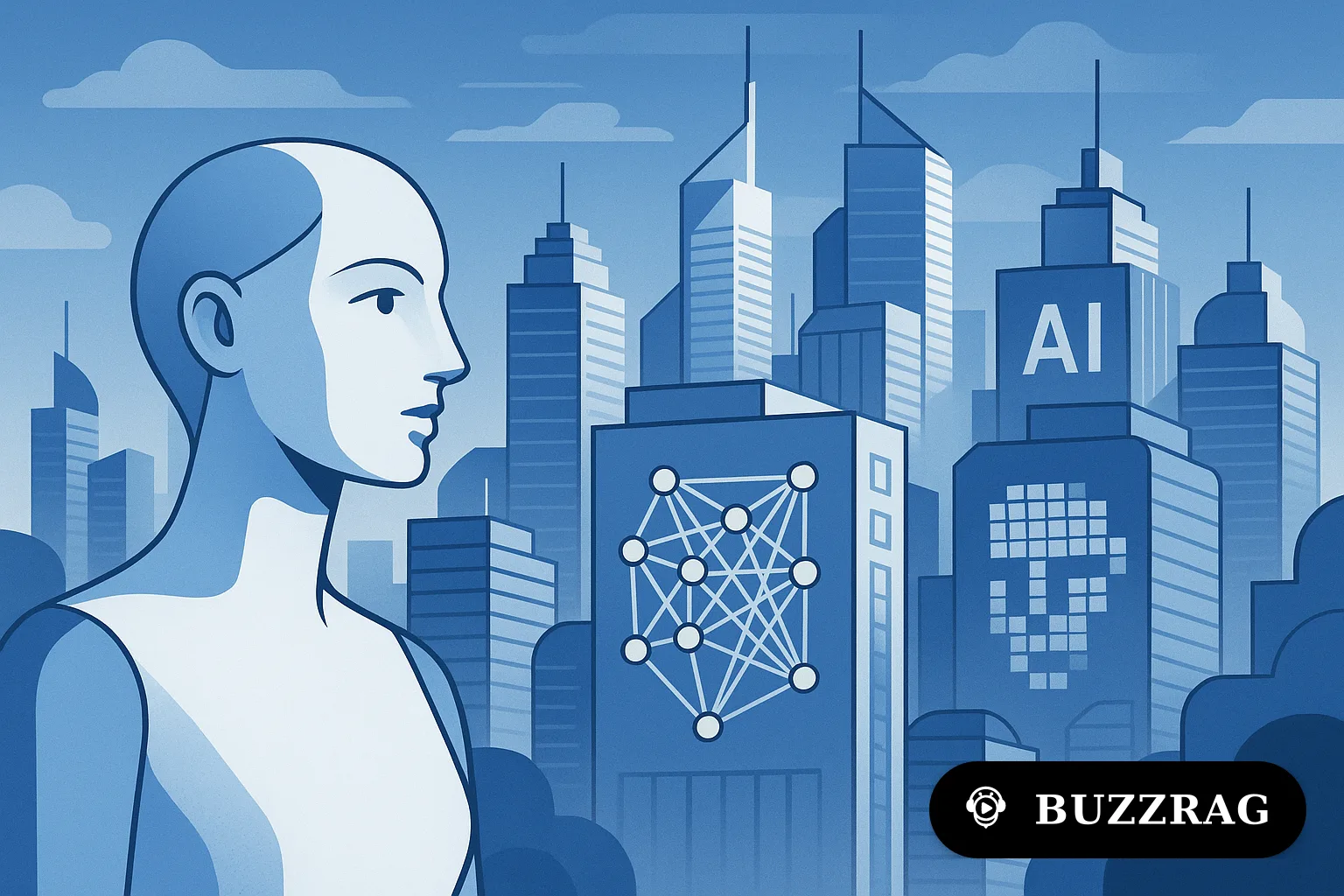
UNESCO has partnered with Coursera and LG AI Research to launch a free course on the ethics of artificial intelligence. This course, available globally, aims to establish a foundational understanding of responsible AI usage. It aligns with UNESCO's mission to promote ethical frameworks, which are increasingly critical as AI becomes more integrated into everyday life.
The course is significant as it provides an accessible way for individuals and institutions to engage with the ethical challenges posed by AI technology. By leveraging the reach of Coursera, UNESCO ensures that diverse learners can participate in shaping a future where AI is used responsibly. The collaboration reflects a growing recognition of the need for ethical guidelines in technology.
This initiative comes at a time when AI's role in decision-making is expanding rapidly, raising concerns about bias, privacy, and accountability. UNESCO's effort to standardize ethical practices can help mitigate these risks by educating users worldwide.
Changing Trends in Peanut Allergies
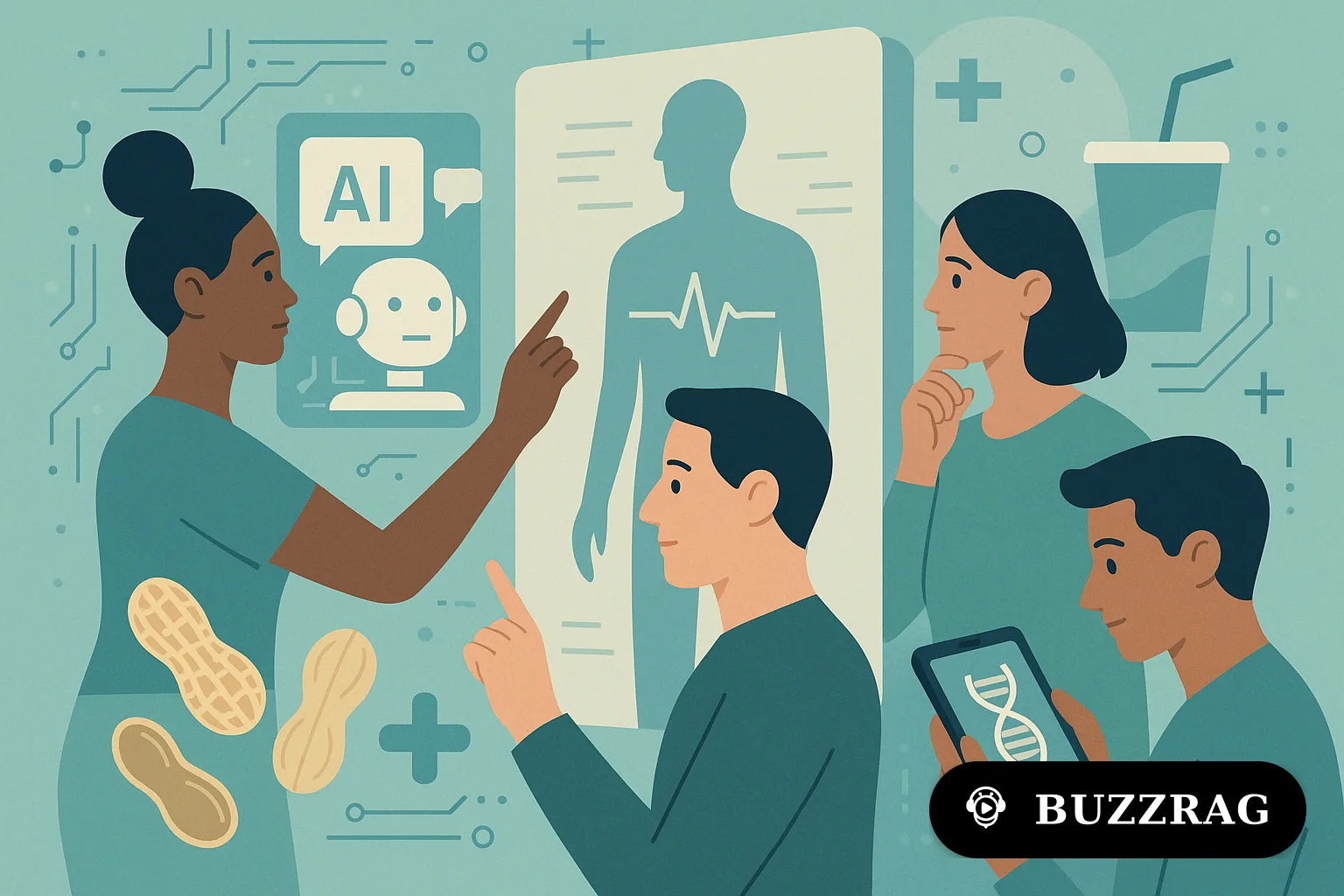
Recent studies suggest that peanut allergies might be on the decline, marking a significant shift in parental guidance and public health strategies. This development, highlighted by economist and parenting expert Emily Oster, points to changes in early exposure recommendations.
Traditionally, parents were advised to avoid introducing peanuts to young children. However, new research indicates that early introduction may actually reduce the risk of developing allergies. This emerging understanding could lead to substantial changes in dietary guidelines and has implications for how parents manage potential food allergies in their children.
The decline in peanut allergies, if confirmed, could alleviate a major concern for many families and reduce the associated healthcare costs and lifestyle restrictions. Continued research will be crucial to confirm these trends and refine guidelines.
The Impact of Sugar and Soda on Mental Health
The relationship between sugar consumption, particularly from sodas, and mental health issues is gaining attention in scientific circles. Recent studies indicate a deeper connection between high sugar intake and mental illnesses than previously understood.
Excessive sugar consumption has long been linked to physical health problems like obesity and diabetes, but its impact on mental health is now being scrutinized. Researchers are exploring how sugar affects brain chemistry, potentially exacerbating conditions like depression and anxiety. This emerging evidence suggests that dietary habits could play a significant role in mental health management.
As this area of research develops, it may prompt a reevaluation of dietary recommendations and public health policies. Reducing sugar intake could become a key strategy in preventing mental health disorders, alongside traditional therapeutic approaches.
The Lingering Effects of Emotional Neglect
Emotional neglect during childhood can lead to feelings of emptiness and lack of purpose in adulthood. This psychological phenomenon highlights the long-term impact of unmet emotional needs during formative years.
Research shows that individuals who experienced emotional neglect often struggle with self-worth and finding meaning in life. Addressing these issues involves recognizing the root causes and seeking therapeutic interventions that focus on emotional healing and self-discovery. Understanding the origins of these feelings is crucial for developing effective coping strategies.
Awareness of emotional neglect's impact can encourage more supportive parenting practices and prompt individuals to seek help. As society becomes more attuned to mental health needs, addressing emotional neglect could lead to healthier, more fulfilled lives.
Managing Workplace Dynamics: Outsmarting Employees
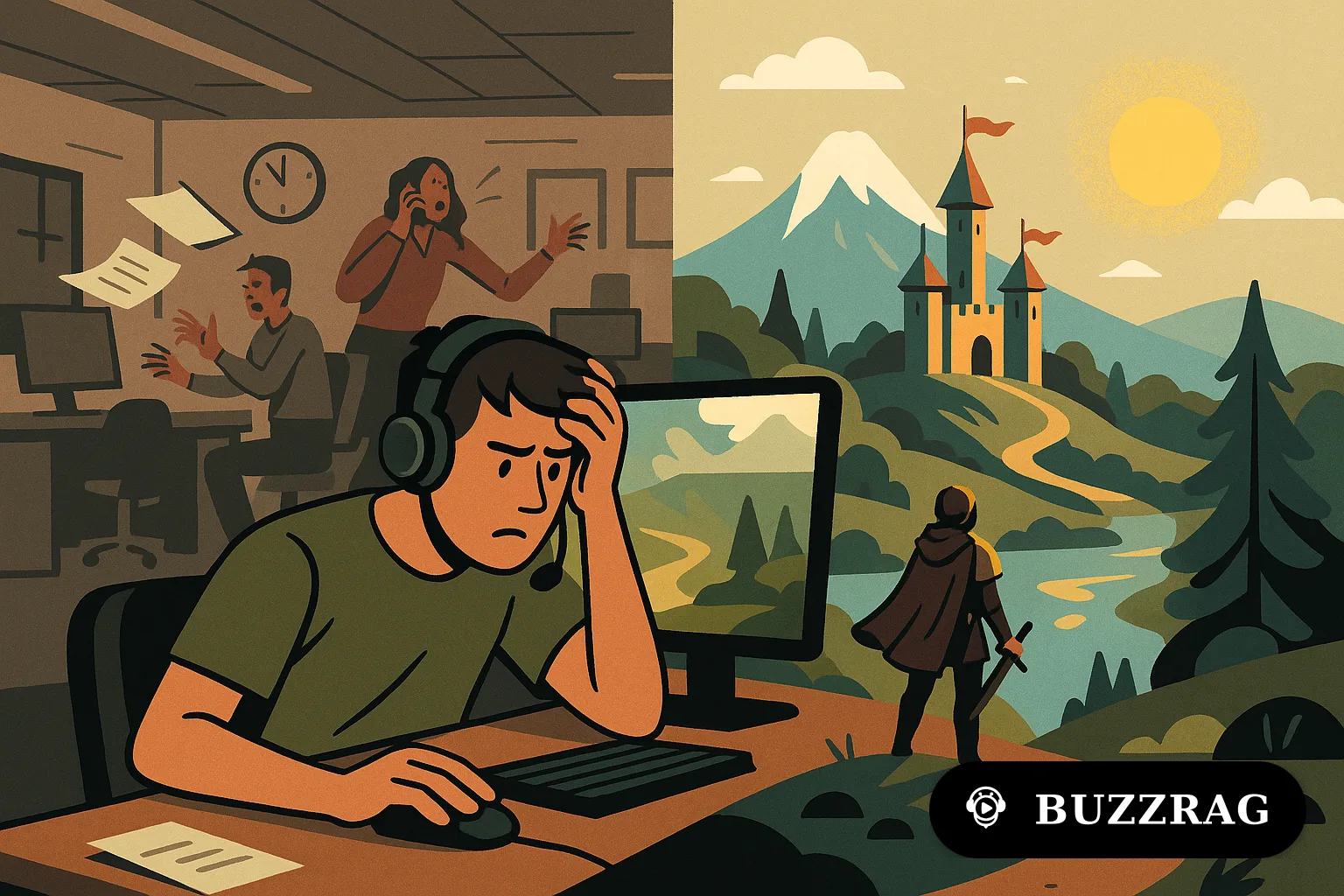
Navigating workplace dynamics, especially when employees attempt to outsmart their leaders, requires strategic management. This issue can arise in competitive environments where individuals seek to assert dominance or challenge authority.
To maintain control, leaders are advised to foster transparent communication and establish clear expectations. It's crucial to address such behavior directly and constructively to prevent disruption within the team. Understanding the motivations behind these actions can also help in creating a more cohesive work environment.
As workplaces evolve, especially with increasing remote work, these dynamics become more complex. Leaders must adapt their management styles to ensure productivity and morale remain high, addressing challenges head-on.
Rethinking Family Enmeshment
Family enmeshment, often viewed as pathological, may not be universally negative. Recent discussions in psychotherapy suggest that this behavior can have different implications across cultures.
In some cultural contexts, close family ties are valued and can provide support and stability. However, in others, they may be seen as limiting personal development. This nuanced understanding challenges the traditional view of enmeshment as inherently damaging.
Recognizing the cultural dimensions of enmeshment can lead to more tailored therapeutic approaches that respect individual family dynamics. This perspective encourages a broader, more inclusive understanding of familial relationships and their impact on personal growth.
As we continue to explore these themes, keep an eye on how ethical frameworks, dietary guidelines, and cultural perspectives evolve. Understanding these developments can help us navigate the complexities of personal and societal growth.