BuzzRAG Growth Desk — 2026-06-09

Curated by AI. James Emeka, Personal Development Editor
Today, we explore the nuanced impacts of AI on employment, delve into the depths of self-actualization, and consider the benefits of body awareness practices. Also on the radar: the long-term effects of child neglect and new camping restrictions near Yellowstone due to wildlife concerns.
AI's Surprising Impact on Employment
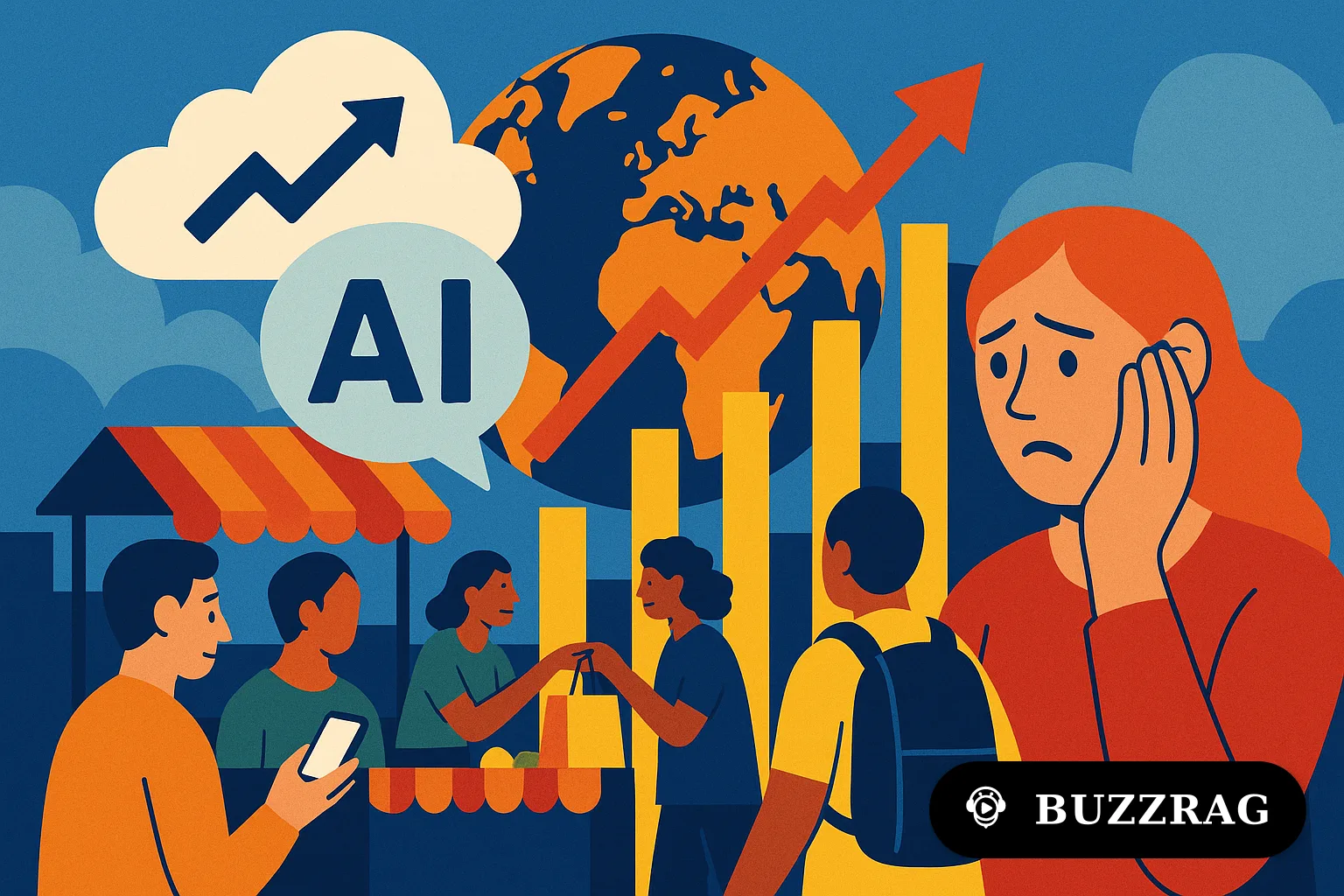
Despite the ominous predictions about artificial intelligence eliminating jobs, the current data suggests a more complex reality. AI, often compared to historical industrial automation, has yet to lead to widespread job losses. Instead, it's reshaping roles and creating new opportunities.
The narrative that AI would decimate the workforce is being challenged by evidence showing that while some tasks are automated, AI also complements human capabilities. This shift requires workers to adapt, learning new skills to integrate with AI technologies. The focus is moving towards enhancing human-AI collaboration, emphasizing the need for continuous learning and flexibility in the job market.
As industries evolve, the workforce's adaptability becomes crucial. Companies and educational institutions must prioritize skill development to align with technological advances. The future may not be about job loss, but job transformation, requiring a proactive approach to workforce education.
Unpacking Self-Actualization in Modern Psychology
Self-actualization remains a central theme in positive psychology, emphasizing the journey to reach one's full potential. Despite achieving conventional success, many individuals feel unfulfilled, prompting a deeper exploration into self-actualization.
Understanding this concept involves recognizing personal drives and uncovering gaps in fulfillment. Positive psychology suggests that self-actualization is not merely about external achievements but aligning one's actions with intrinsic values and desires. This alignment can lead to enhanced personal and professional satisfaction.
The growing interest in self-actualization highlights the shift toward valuing personal growth over traditional success metrics. As more individuals and organizations adopt this perspective, the focus on mental and emotional well-being is likely to gain prominence, reshaping how success is defined in various contexts.
The Power of Body Awareness
Body awareness practices, often overshadowed by cognitive strategies, are gaining recognition for their role in stress reduction and mental health. These micro-practices focus on tuning into physical sensations to promote a sense of presence and calmness.
By shifting attention from the incessant chatter of the mind to bodily sensations, individuals can experience reduced cognitive stress and a heightened sense of well-being. This somatic approach is proving beneficial in managing anxiety and enhancing overall quality of life, as it encourages a holistic view of health.
As awareness of these practices spreads, there's potential for broader integration into wellness programs. This could foster a more balanced approach to mental and physical health, encouraging individuals to listen more closely to their bodies and respond to their needs holistically.
Yellowstone Camping Restrictions Due to Grizzly Concerns
In response to increased grizzly bear activity, officials have banned tents and soft-sided trailers at a popular campsite near Yellowstone. This preventive measure aims to enhance visitor safety as grizzly populations grow and habitat overlaps with recreational areas.
The ban highlights the ongoing challenge of balancing conservation efforts with public access to natural spaces. While some campers may feel inconvenienced, the precaution underscores the importance of adapting to wildlife patterns to prevent human-wildlife conflicts.
As wildlife populations rebound, similar measures may become necessary in other regions. This situation serves as a reminder of the need for responsible recreation practices and the development of strategies to coexist with nature sustainably.
As we navigate a rapidly changing world, understanding the implications of these developments is key to personal and societal growth. Whether it's adapting to AI's role in the workplace or fostering well-being through self-awareness, these themes will continue to shape our future.