BuzzRAG Gaming Desk — 2026-10-16

Curated by AI. Kai Tanaka, Gaming Desk Editor
Today’s gaming conversation puts player rights and the people behind games in focus. A former director describes withdrawing from online debate, while a proposed ownership bill and a fast-selling release raise questions about how games are discussed, bought, and kept.
Jeff Kaplan Says He Avoids Overwatch Discussions Online
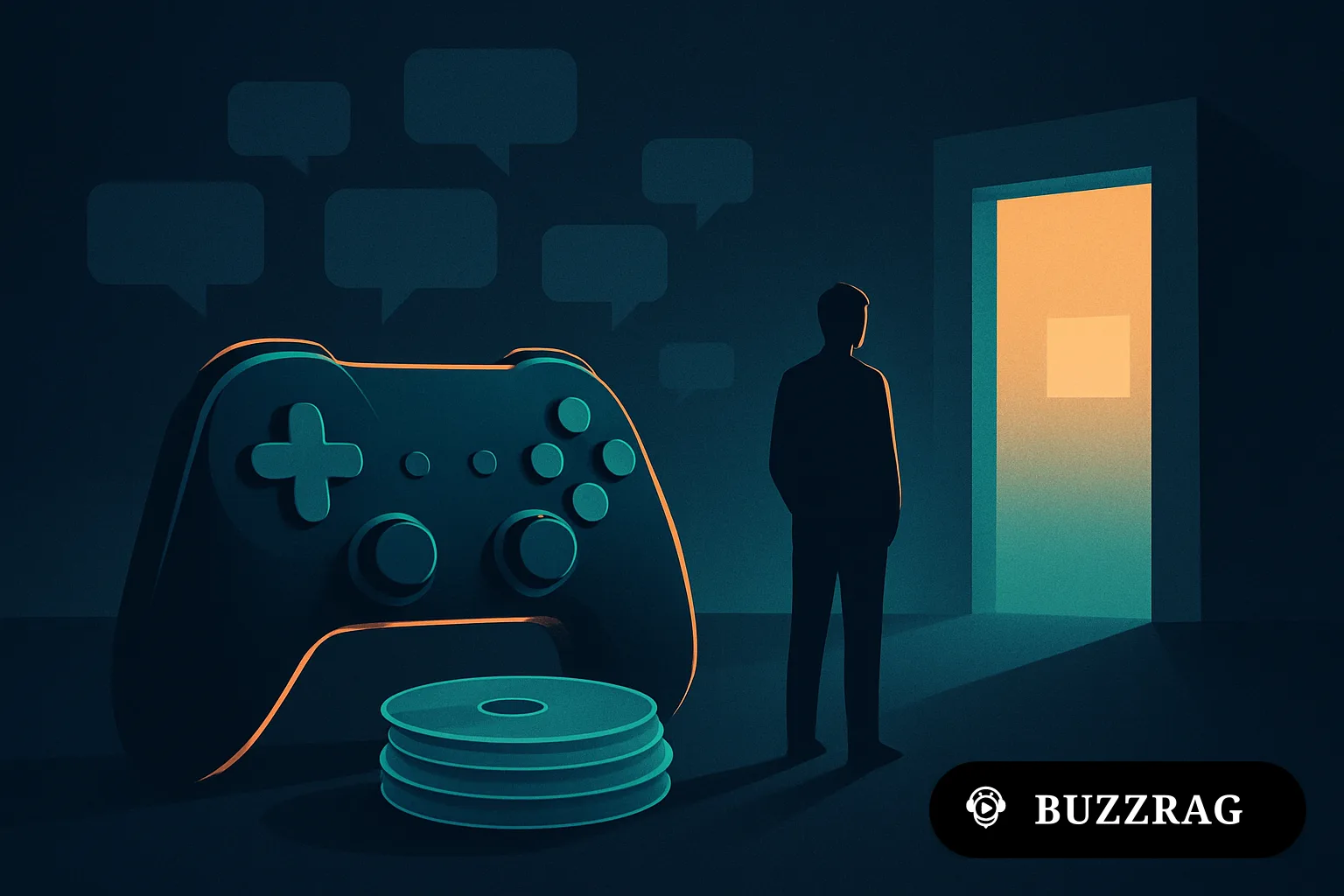
Former Overwatch director Jeff Kaplan says he protects his mental well-being by disconnecting from online discussion of the game, including its subreddits. His remarks offer a glimpse of the distance a developer may need to maintain from the communities and criticism surrounding a high-profile live game, even after leaving its leadership.
The comments also underline a difficult reality of games built around ongoing conversation: players’ feedback can be valuable, but the volume and intensity of online debate can become hard to absorb personally. Kaplan’s approach is to step away rather than monitor the discussion, a boundary many workers may find necessary in an industry where public figures are often treated as permanently available for reaction. His account is not a judgment on players’ right to criticize a game; it is a reminder that criticism and personal access are not the same thing. The broader challenge for studios is to hear community concerns without making individual developers bear the full emotional weight of every dispute.
New Bill Targets Digital Game Ownership
Representative Ritchie Torres has introduced legislation aimed at ensuring gamers own their digital games rather than merely holding licenses to access them. The proposal puts a familiar frustration into sharper policy focus: a purchase can feel permanent to a player even when the legal terms and platform controls may leave access dependent on a company’s continued service.
The announcement is an initial legislative step, not a guarantee that digital purchases will become equivalent to owning a physical copy. The bill’s precise scope, path through Congress, and practical effect will matter, especially for games that depend on online services or contain licensed content. Still, placing the issue before lawmakers gives players’ concerns about delistings, shutdowns, and restricted resale a venue beyond customer support forums. The debate now turns on what rights the proposal would create, how those rights would be enforced, and whether lawmakers can distinguish a downloadable game from a service that requires ongoing infrastructure.
Control Resonant Reaches One Million Sales
Control Resonant has sold one million copies, making it Remedy’s fastest-selling game, according to the report. The milestone arrives after the game’s digital launch in September and despite reports that leakers cracked the release and pirated it. The studio’s result offers an early commercial signal for a title that has moved quickly out of the gate.
The piracy detail is part of the story, but it does not establish how much unauthorized access affected sales; the available figures do not show what the game might have sold without it. Nor does one million copies alone reveal profitability, platform-by-platform performance, or the size of the audience that will keep playing. For studios, a strong launch can help validate the investment behind a new release, while piracy raises familiar questions about access, preservation, and the limits of digital protections. The next useful measures will be whether sales hold over time and how the company describes the game’s longer-term performance.
The next tests are whether digital ownership proposals gain traction and whether this release’s strong opening translates into sustained sales. For developers, the parallel question is how to stay connected to players without being consumed by the noise around their work.