BuzzRAG Gaming Desk — 2026-10-09

Curated by AI. Kai Tanaka, Gaming Desk Editor
Today’s gaming conversation leans on two different kinds of promise: a horror-inflected indie concept built around exploration, and an action game drawing attention for its style and combat. Both are early signals rather than verdicts, making execution—and what players actually get to do—the next things to watch.
Silver Pines pairs survival horror mood with Metroidvania exploration
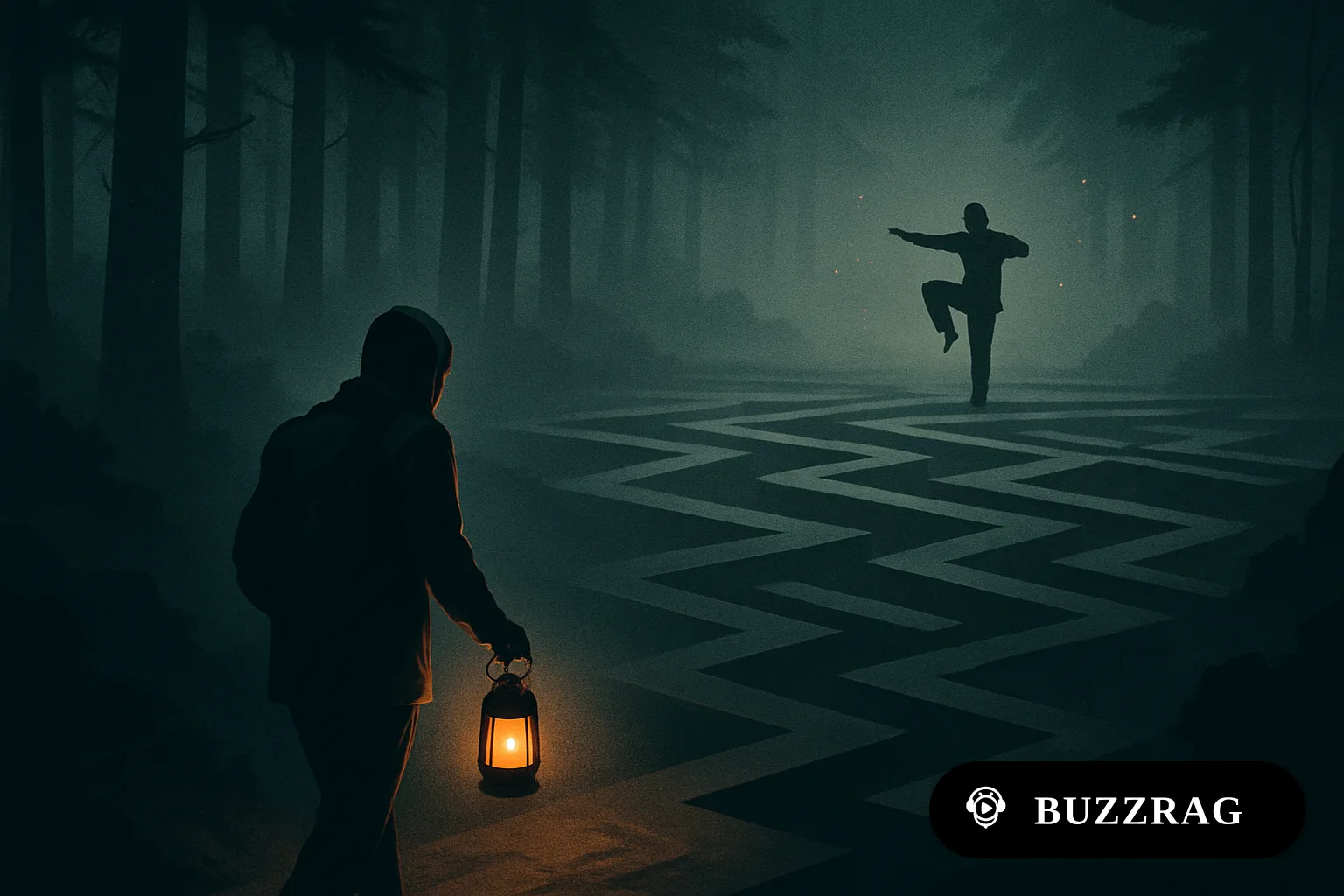
Silver Pines is being framed as a collision between oppressive survival-horror atmosphere and the map-driven exploration of a Metroidvania. That combination has an immediate appeal: a world that becomes more legible as players return with new abilities, while dread makes every newly opened route feel less like a checklist and more like a risk. The available description is thin, though, so the hook is clearer than the game’s actual systems or moment-to-moment play.
The blend will stand or fall on how those parts reinforce each other. Backtracking can build tension when routes change meaning or danger follows the player; it can also drain a horror game of urgency if revisiting spaces becomes routine. Likewise, recognizable genre ingredients are not a substitute for distinctive level design or a compelling reason to explore. For now, Silver Pines is a promising pitch rather than a proven reinvention. More concrete footage and details about progression, combat, and the world’s structure will show whether the two genres deepen one another.
Phantom Blade Zero impresses in an extended hands-on preview
A six-hour hands-on visit to S-Game’s Beijing and Shanghai offices has put Phantom Blade Zero back in the spotlight, with the preview report highlighting its visual style and combat. That length of access gives the impression more weight than a brief showcase, but it remains a preview, not a final judgment on the full game. The central question is whether the combat’s appeal holds across a broader campaign and a wider range of encounters.
Style can make an action game instantly memorable; responsive, readable play is what sustains it. The report’s enthusiasm is a useful signal, but players still need answers on pacing, difficulty, progression, and how much variety the combat offers beyond its strongest early moments. A substantial hands-on session can reveal texture that a trailer cannot, while leaving performance, balance, and the complete structure unresolved. As more of the game is shown, the focus should be on whether its visual identity and fighting systems remain compelling over time—not just whether the opening hours make a strong impression.
The next useful evidence will be hands-on detail that goes beyond a high-concept pitch or an impressive preview: how exploration, combat, and pacing hold up over time. Watch for clearer demonstrations of both games’ core loops before treating early excitement as a settled verdict.