BuzzRAG Gaming Desk — 2026-09-24

Curated by AI. Kai Tanaka, Gaming Desk Editor
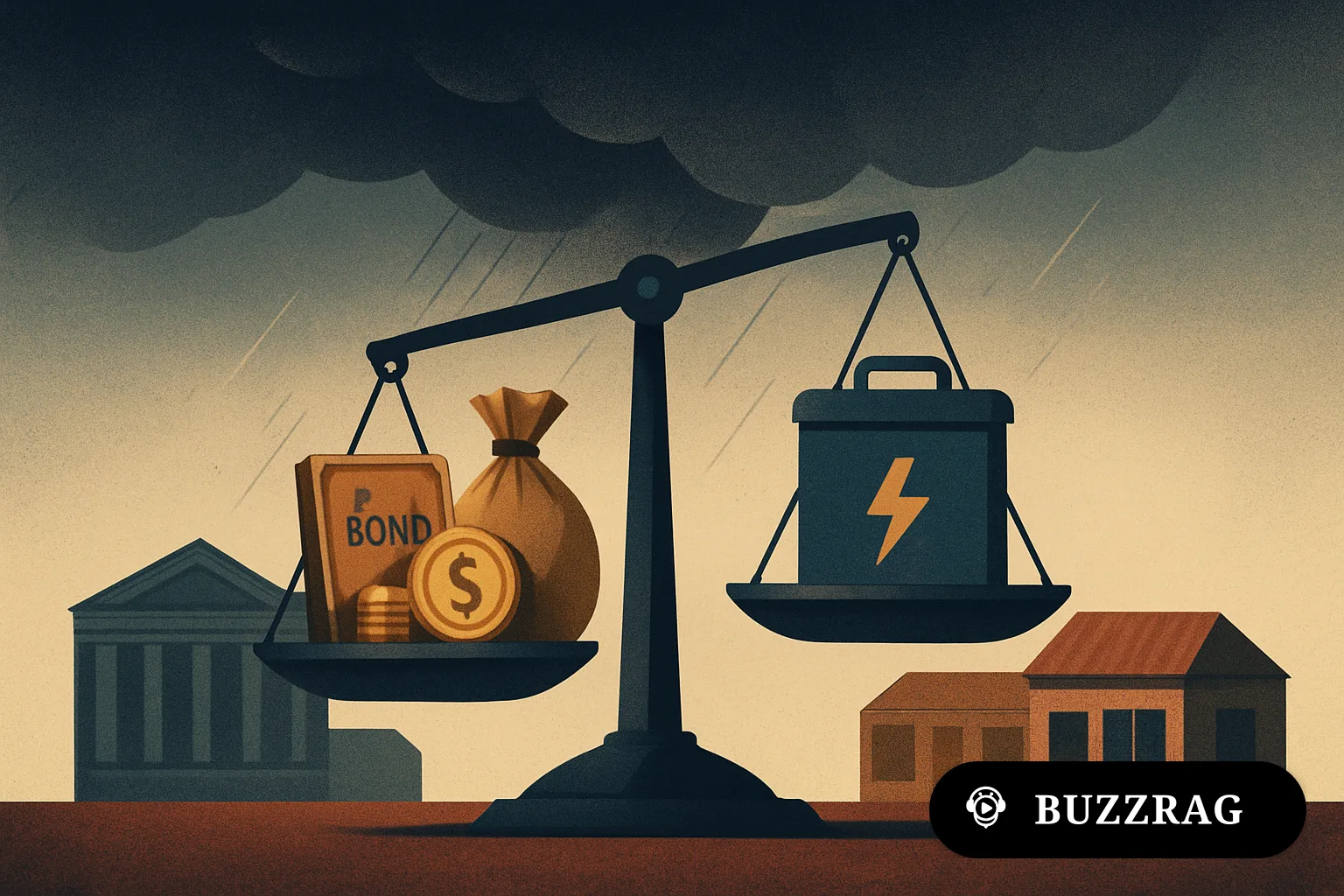
Today’s trends sit at the intersection of fandom, platforms, and the machinery that decides what audiences see next. Delayed franchise projects, creator tools that may reward outrage, and emotionally charged community moments all point to the same tension: entertainment is increasingly shaped by systems optimized for attention, timing, and retention.
Warner Bros. Delays Two Major Franchise Films
Warner Bros. has pushed back its planned DC film Dynamic Duo and delayed Gremlins 3 by a full year, adding two more schedule changes to an already fluid theatrical calendar. The moves are a reminder that release dates are less a promise than a production and distribution strategy, particularly for projects carrying major franchise expectations.
For audiences, a delay can mean more time for a troubled production to find its footing—or simply a longer wait for a film that has already become part of the hype cycle. The larger question is whether these shifts reflect ordinary production realities, broader caution around theatrical spending, or a studio recalibrating its slate around fewer, bigger bets. Either way, the changes will ripple through marketing plans, fan expectations, and the crowded calendar competing for attention.
YouTube’s Video Testing Tools Raise Concerns About Outrage Optimization
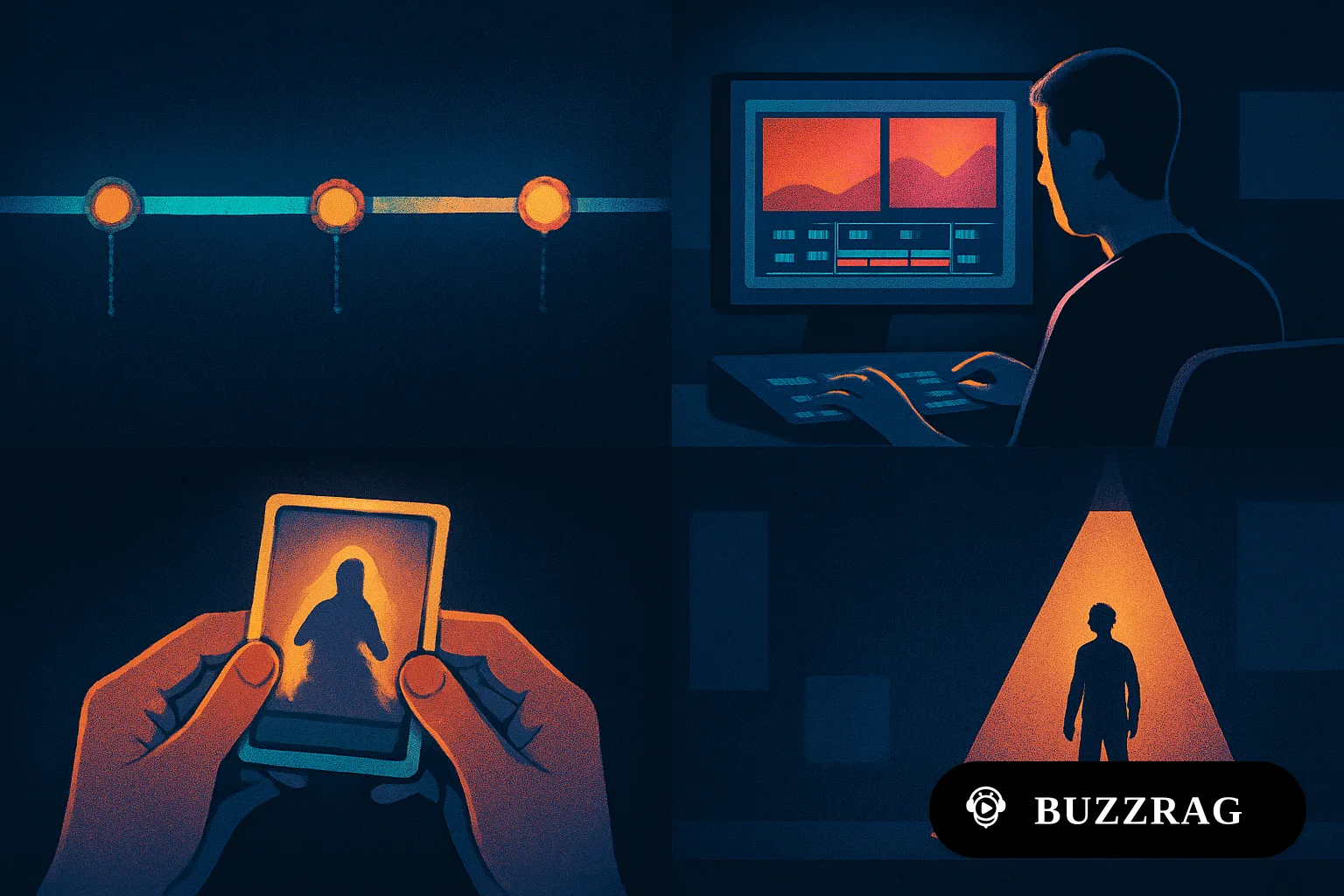
YouTube is introducing an A/B testing feature that lets creators compare different cuts of their own videos, a practical tool that could help refine pacing, thumbnails, or presentation. But early concern is focused on a darker possibility: creators testing increasingly hostile or inflammatory edits to learn which version produces the strongest reaction.
The issue is not experimentation itself; editors and creators have always revised work based on audience response. The stakes change when the platform’s feedback loop measures performance through clicks, watch time, and engagement without distinguishing genuine interest from anger. If negativity consistently wins the test, creators may be pushed toward content that escalates conflict simply because the system can quantify its effectiveness. How YouTube defines acceptable experimentation—and what signals its tools privilege—will matter as much as the feature’s convenience.
A Final Card Pull Becomes a Lasting Community Memory
The artist behind a special Jirachi trading card has responded emotionally after the card appeared in the final pack-opening video of influencer Avery the Poké Kid, who later died from pancreatic cancer. The moment has resonated because it connects a highly personal act of fandom with an artist’s work, turning a collectible into part of a lasting memory for viewers.
Stories like this show why trading-card communities are about more than scarcity, resale value, or the thrill of a rare pull. Pack openings can become rituals shared across distance, and a creator’s archive can preserve a person’s joy long after they are gone. The response also deserves care: grief should not be flattened into content or treated as another engagement opportunity. The most meaningful part of this story is the recognition between artist, creator, and community, not the market value of the card.
Vincent D’Onofrio Reflects on Daredevil’s Final Season
Vincent D’Onofrio has said goodbye to his role as Wilson Fisk following news that Daredevil: Born Again will conclude with its third season. For a long-running superhero production, that announcement lands as both a creative endpoint and a business decision, closing a chapter that has depended heavily on the strength of its central performances.
The end of a series can offer writers room to shape a deliberate conclusion rather than stretch a property indefinitely, but it also highlights the instability of modern franchise television. Audiences are asked to invest across seasons, spin-offs, and interconnected releases while platforms retain the right to redraw the map. D’Onofrio’s reaction brings the performer’s perspective into view: behind the corporate continuity machine are actors and crews whose work gives these worlds their identity. The eventual final season will be judged not only on spectacle, but on whether it treats that investment as something worth concluding well.
A Spoiled Twist Undercuts Slow Horses’ Latest Episode
The second episode of Slow Horses’ sixth season has drawn criticism after its ending was reportedly revealed in the show’s first and only trailer. That kind of marketing spoiler can blunt the impact of a carefully built episode, especially for a series that relies on reversals, deadpan misdirection, and the pleasure of watching a plot snap into focus.
The problem is part of a wider conflict between promotional campaigns and the viewing experience they are meant to sell. Trailers increasingly have to communicate enough plot to justify attention in crowded subscription markets, yet every extra revelation risks spending the story’s most valuable currency before the audience arrives. A spoiler is not automatically fatal—execution and character can survive foreknowledge—but viewers are right to question why a key beat was used to market an episode rather than allowed to work on its own terms. The fallout may sharpen calls for more restrained, episode-specific promotion.
The next signals to watch are whether delayed projects receive clearer new windows, how platforms police engagement tools that can reward hostility, and whether streaming series are allowed to end on creative terms. Across all of these stories, audience trust remains the scarce resource—and the easiest one for entertainment companies to spend.