BuzzRAG Gaming Desk — 2026-09-23

Curated by AI. Kai Tanaka, Gaming Desk Editor
The gaming business is presenting two sharply different faces today: better tools for the people shipping games, and worsening job insecurity around marquee projects. Meanwhile, one of the biggest upcoming releases is already becoming a broader cultural event, with athletes joking that it could disrupt professional sports schedules.
Unity’s New CLI Targets the Build-Engineering Bottleneck
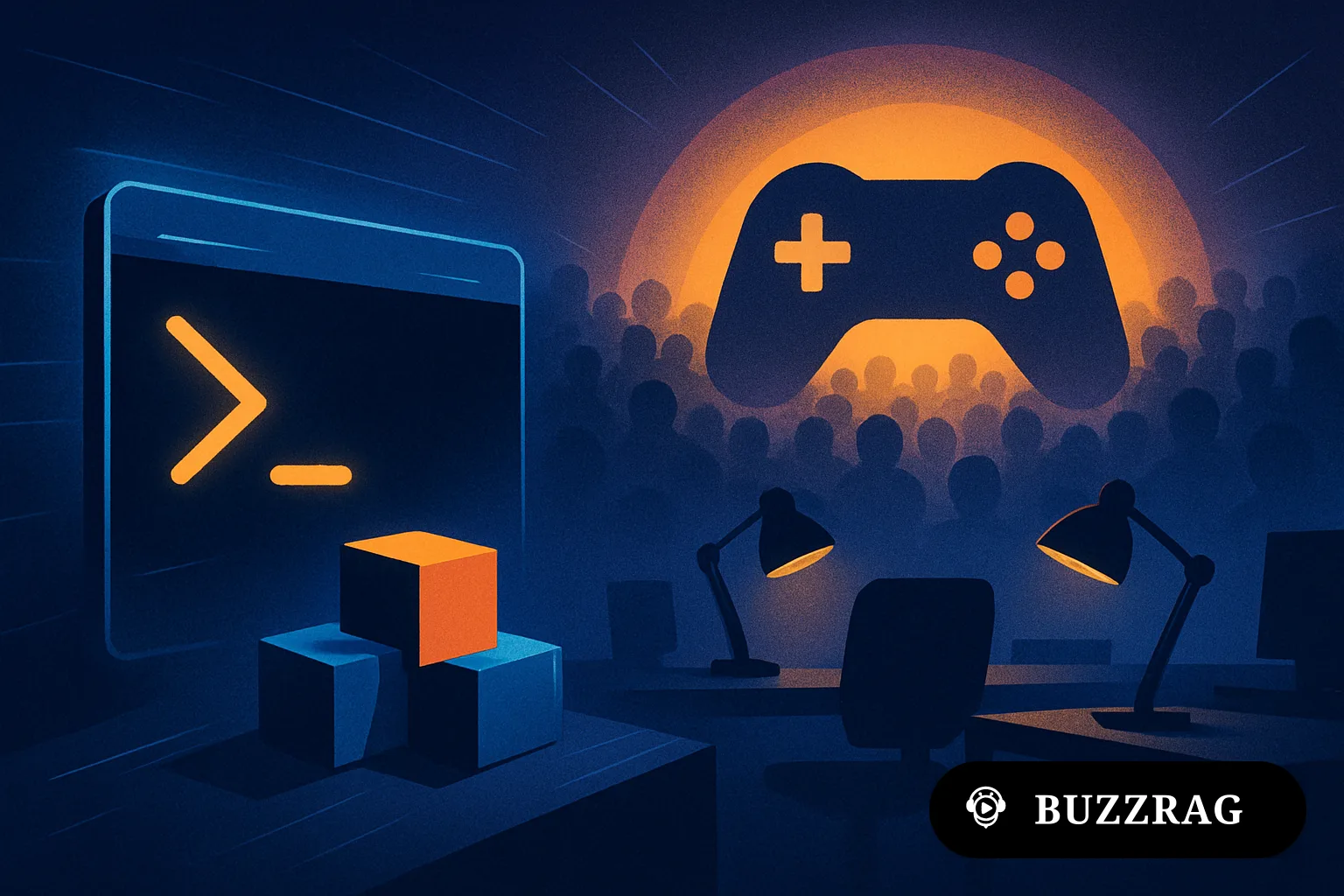
Unity is pitching a unified command-line interface as a simpler foundation for continuous integration and continuous delivery in game development. The tool is designed to handle installation management, automated testing, and builds across different CI providers, potentially replacing the patchwork of custom scripts many teams maintain to keep projects moving.
That promise matters most to small and midsize teams, where build engineers are often generalists already juggling infrastructure, releases, and emergency fixes. A common interface could reduce setup friction and make automated testing more routine, but it will only deliver if documentation, version compatibility, licensing, and failure reporting hold up under real production pressure. The interesting test is not whether the CLI can produce a demo build; it is whether it makes the unglamorous daily work of shipping more reliable.
Story Leadership Change Lands Just Before Early Access
The story director on Gears of War: E-Day has reportedly been laid off only a week before the game’s early access launch, a jarring timing choice for a project entering its most visible phase. The report has been corroborated by multiple outlets, making this more than a stray rumor about a large production.
A departure this close to launch does not automatically tell players whether the finished campaign is in trouble, but it does expose the human cost behind a polished release calendar. Narrative teams carry years of continuity decisions, character work, and collaboration with design, cinematics, and voice production; removing leadership at the finish line can create uncertainty even when the game itself remains on schedule. The launch will now be judged alongside questions about who gets credit, who absorbs the disruption, and why a project’s staffing needs were allowed to reach this point.
A Smaller Logan, a Bigger Emotional Contrast
Wolverine’s narrative director has explained the decision to depict Logan as notably shorter than Sabretooth, framing the contrast as an important part of their relationship rather than a cosmetic deviation. The creative choice uses physical scale to communicate history, rivalry, and the emotional imbalance between two characters who have spent years locked in conflict.
That kind of detail is easy to dismiss as fan-service trivia, but it points to a more grounded approach to superhero game storytelling. Character design can establish vulnerability and power before a line of dialogue is spoken, especially when a familiar figure is being reinterpreted for an interactive performance. The larger question is whether the game’s writing and systems consistently support that emotional reading, or whether the height difference becomes an isolated piece of pre-release explanation. Players will be looking for a whole character drama, not just a carefully defended silhouette.
Undead Labs Confirms Significant Layoffs After Xbox Independence
Undead Labs has confirmed that it underwent significant layoffs after becoming independent from Xbox, adding another painful chapter to the industry’s continuing contraction. The studio, known for the State of Decay series and associated with the development of State of Decay 3, now has to manage reduced staffing while maintaining confidence in its future work.
The episode complicates the idea that independence is automatically a safer alternative to platform ownership. Separation can provide creative and operational freedom, but it can also remove financial guarantees, internal support, and access to shared services that large publishers provide. For affected workers, the distinction is academic when the result is lost income and disrupted careers; for players, it raises reasonable questions about production scope, timelines, and whether announced projects are being sustained through attrition. The industry needs more transparency about who is affected and how remaining teams are expected to deliver.
GTA 6 Hype Reaches the Locker Room
NBA player Steven Adams has joked that the launch of GTA 6 could cause a league-wide performance dip among athletes and coaches, a colorful measure of how much cultural weight the release already carries before launch. The comment is clearly playful, but it reflects an expectation that the game will compete for attention far beyond the usual enthusiast audience.
The joke also captures a familiar pattern: major games increasingly function as shared entertainment events, with release timing, streaming, social media, and celebrity conversation reinforcing one another. That reach can be valuable for the medium, but it also shows how anticipation becomes part of the product long before anyone plays it. The real story will be whether the eventual release meets the enormous expectations being built around it, and how its online ecosystem handles the inevitable surge of players, discourse, and monetization pressure.
Next, watch whether the Unity tooling earns trust from production teams and whether the two layoff stories lead to clearer answers about project staffing and ownership. The approaching blockbuster launch will keep generating cross-cultural noise, but the industry’s labor decisions remain the more consequential story behind the spectacle.