BuzzRAG Gaming Desk — 2026-09-21

Curated by AI. Kai Tanaka, Gaming Desk Editor
Today's slate spans the less glamorous machinery of game development, a high-profile survival-horror review, and the accelerating turnover of live-service platforms. The wider entertainment beat is also uneven, with several genre releases testing whether atmosphere and ambition can survive muddled execution.
A Unified Command Line for Game-Build Chaos
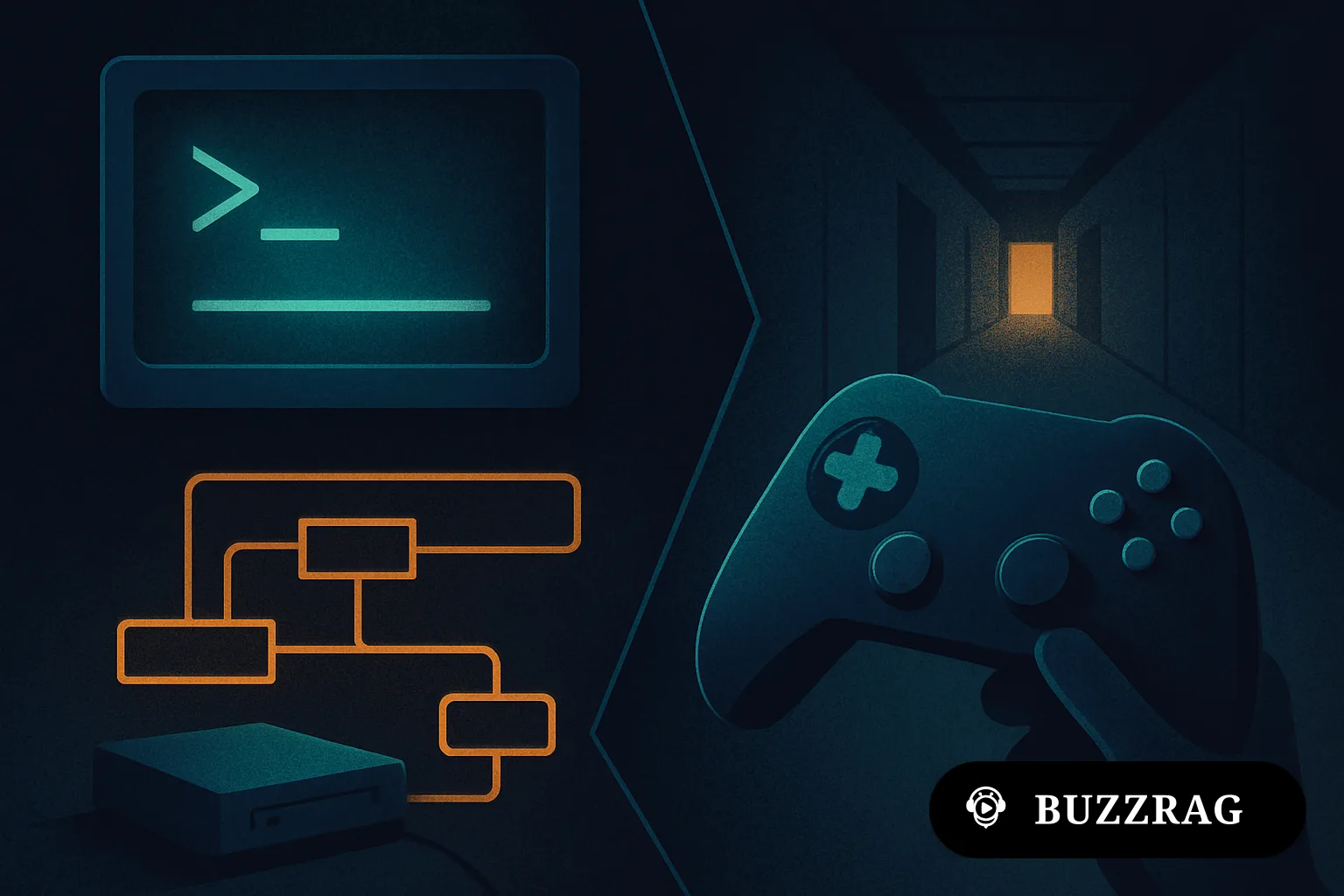
A new command-line interface aims to simplify one of game development's most persistent headaches: keeping build environments, test runs, editor installations, and continuous-integration pipelines aligned. Instead of asking teams to maintain a web of custom scripts for different providers, the tool promises a single workflow that can be called from virtually any CI service.
That pitch is less flashy than a new rendering feature, but it targets real production friction. Reproducible builds and dependable automated tests are foundational to shipping games, particularly for smaller teams that cannot afford dedicated infrastructure engineers. The important question will be whether the CLI handles platform-specific edge cases cleanly and remains stable as engine versions change. If it does, the practical payoff is fewer brittle scripts and more time for developers to work on the game itself rather than repairing the pipeline.
Townfall Finds New Fear in First Person
Reviews are responding positively to a new survival-horror entry that brings its series' oppressive unease into a first-person perspective. The shift changes the relationship between player and threat: limited visibility, tighter environmental framing, and a more intimate sense of vulnerability can make familiar psychological-horror tools feel newly immediate.
The challenge for any revival-minded horror game is to create tension without simply recycling recognizable imagery. Early consensus from multiple outlets suggests this one largely understands that distinction, translating its source material's disturbing atmosphere rather than treating it as a museum piece. That makes the review conversation worth watching beyond the score itself: if the first-person format strengthens exploration and dread without reducing the experience to scripted shocks, it could offer a useful direction for future genre experiments.
Lanterns Loses Momentum in the Present Day
The sixth episode of Lanterns marks a structural pivot, returning its story to the present after an extended look backward. According to the review response, that transition exposes a problem the earlier episodes were able to disguise: the series has atmosphere and mythology to spare, but its current-day narrative is struggling to convert that setup into forward motion.
This is the danger of a season built around prolonged backstory. Flashbacks can deepen character and establish a world, but they also create an expectation that the eventual return to the main timeline will deliver sharper stakes and stronger propulsion. Instead, the episode appears to spend too much energy reconnecting plot threads while asking viewers to wait for the payoff. With the season entering its later stretch, the remaining episodes will need to make the present feel as compelling as the history that preceded it.
A Revenge Thriller Built from Familiar Action Parts
An upcoming PG-13 action thriller is being framed as a collision between hard-edged revenge cinema and tactical military action. Its central appeal is straightforward: a wronged protagonist, a violent mission, and a set of operational obstacles designed to turn personal grievance into a sustained campaign. The package is familiar, but that familiarity can still work when the pacing and physical staging are sharp.
The more revealing question is what the film does with its genre template. A revenge story can either interrogate the machinery of violence or simply use it as a succession of increasingly loud set pieces. The restrained rating may push the production toward cleaner, more accessible spectacle, while the military framing risks flattening moral complexity into mission objectives. For viewers who cross freely between games and film, the project will be judged not just on its action but on whether it offers more than the interactive power fantasy it appears designed to echo.
Warzone's Last Match on Legacy Consoles
The console versions of Warzone for PlayStation 4 and Xbox One are scheduled to become unplayable next month, marking another hard stop for players who have remained on the previous hardware generation. The shutdown arrives alongside the launch of a new numbered entry, making the transition look less like a technical footnote and more like a deliberate push toward the current platform ecosystem.
For players, the issue is not simply whether newer consoles offer better performance. A live-service game is a social space, a learned routine, and often a substantial library of purchased or earned content; removing access can make years of participation feel temporary. The decision also highlights the uneven cost of platform transitions, especially for people priced out of hardware upgrades or relying on older systems in regions where new consoles remain expensive. The immediate watchpoints are migration support, account continuity, and whether the replacement experience respects the community being asked to move.
A True-Crime Drama Unsure How to Frame Female Rage
Monster: The Lizzie Borden Story sets out to examine female rage through a notorious historical case, but the review response finds the series hesitant about the argument it wants to make. Its subject offers obvious material for a critique of gendered violence, public spectacle, and the ways women are judged when they break the roles imposed on them.
The difficulty is that those themes need more than grim atmosphere and a provocative premise. A story about rage must decide whether it is treating anger as a political response, a psychological rupture, a media product, or some combination of the three. If the drama keeps shifting between those interpretations without committing to one, its critique can become indistinguishable from the sensationalism it hopes to analyze. That tension matters to game creators as well: interactive stories increasingly borrow true-crime language, and the same question applies when presenting trauma as both subject matter and entertainment.
The next pressure points are clear: whether new development tools prove reliable in real production, whether the horror revival can sustain its critical momentum, and how players respond to another forced live-service migration. Across games and screen entertainment, the common test is the same—ambition only counts when the underlying structure can carry it.