BuzzRAG Gaming Desk — 2026-07-17

Curated by AI. Kai Tanaka, Gaming Desk Editor
Today's gaming news is marked by significant shifts in event planning, intriguing developments in beloved franchises, and the growing influence of AI in media production. As we look at these stories, the connections between gaming, technology, and culture become increasingly evident.
London Games Festival 2027 Moves to Central Venue
The London Games Festival has announced a move to a central location for its 2027 showcase. This decision is aimed at increasing accessibility and engagement, as organizers look to draw a larger international audience. By relocating to a more central venue, the festival plans to enhance its lineup of events and exhibitions, hoping to make a significant mark on the global gaming calendar.
This move reflects a trend among major gaming events to consolidate their presence in accessible urban centers, thereby maximizing participation from industry professionals and fans alike. It signifies a strategic push to elevate the festival's profile and influence in the competitive landscape of gaming expos. As the gaming industry continues to expand, such festivals play a crucial role in networking, innovation, and cultural exchange.
Castlevania: Belmont’s Curse: Ambitious Reboot Under Scrutiny
The latest hands-on previews of 'Castlevania: Belmont’s Curse' reveal a title that is both visually stunning and ambitiously crafted. With new characters and reimagined lore, the game aims to revitalize the storied franchise while respecting its roots. The development team is under pressure to deliver a game that not only captivates fans but also stands out in a crowded market.
The game’s ambitious scope has sparked both excitement and skepticism within the community. While the visual and narrative elements have been praised, the challenge lies in ensuring the gameplay mechanics match the high expectations set by fans of the series. This reboot is a test case for whether nostalgia-driven franchises can innovate without alienating their core audiences.
God of War TV Series Faces Cast Change Amid Injury
Amazon Prime Video's adaptation of 'God of War' faces a significant hurdle as lead actor Ryan Hurst departs due to a serious injury. The production will now recast the role of Kratos, a central figure in the series, injecting uncertainty into the show's timeline and fan expectations. This casting shift highlights the challenges of adapting beloved game franchises into live-action formats.
The recasting of such a pivotal character raises questions about continuity and the ability to maintain the series' anticipated gravitas. Fans are eager to see how the show will navigate this unexpected change while staying true to the intense emotional and narrative depth that the games are known for. This development underscores the fragile nature of high-stakes adaptations in the streaming era.
Doom Director Responds to id Software Controversy
The director of the latest Doom installment has addressed the recent upheaval within id Software, stating, 'What matters most is that the games are good.' This comment comes amid reports of significant personnel changes and internal turbulence at the studio. The statement aims to reassure fans that the quality of the games remains a top priority despite the behind-the-scenes drama.
The situation at id Software highlights the broader industry issue of maintaining creative and operational stability in the face of corporate pressure and restructuring. Fans and industry watchers are closely monitoring how these changes will affect the development and release of future titles. This controversy reflects the ongoing tension between artistic integrity and business imperatives in game development.
Netflix's Expanding Use of AI in Content Creation
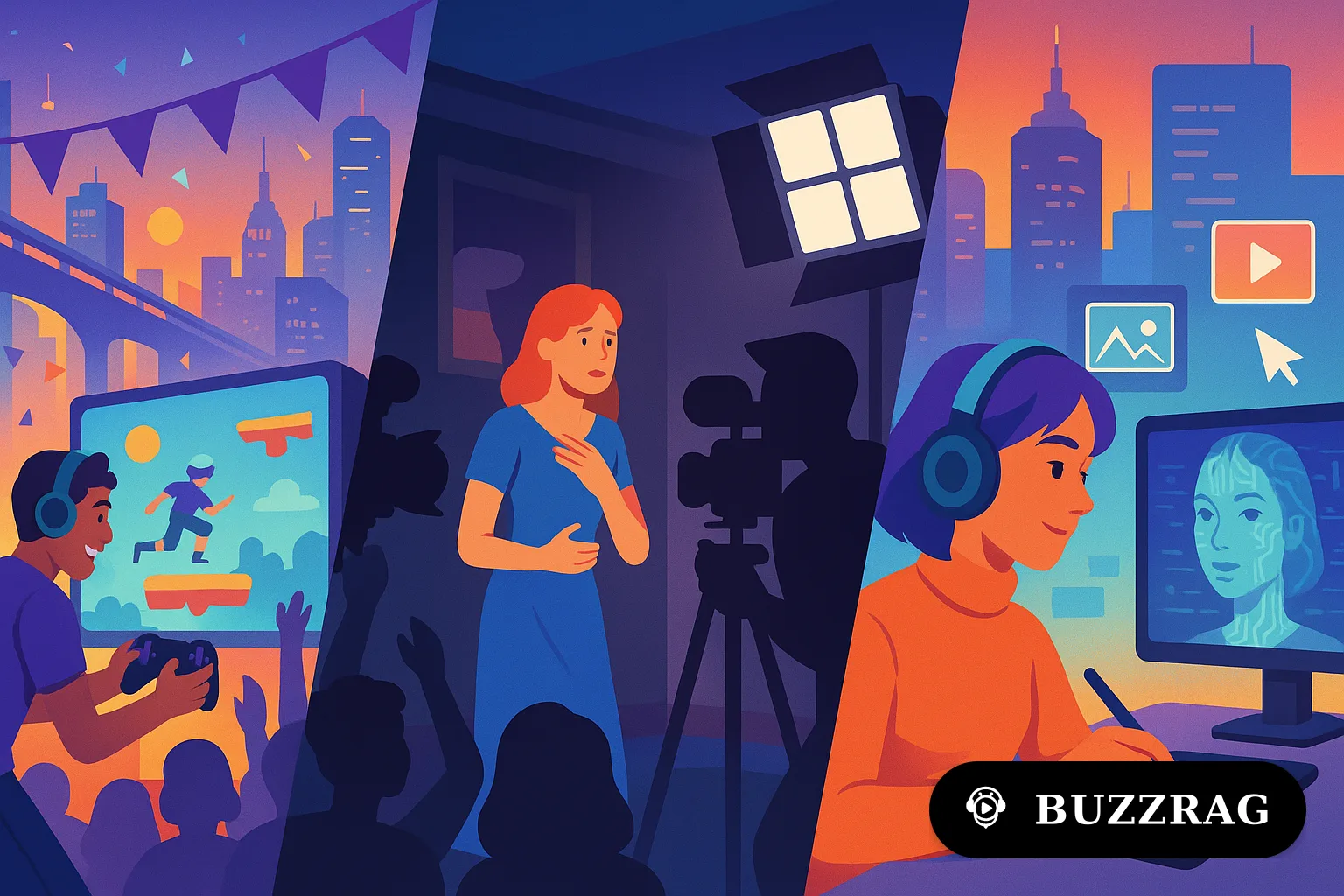
Netflix has revealed that AI tools have been utilized in the production of approximately 300 shows and movies so far in 2026. This announcement underscores the streaming giant's commitment to integrating technology within its creative processes, potentially transforming the landscape of media production. While AI offers efficiency and innovation, it also raises questions about the future of human creativity in the industry.
The use of AI in content creation is a double-edged sword, promising cost savings and novel ideas, but also sparking debate over the role of human artists. As Netflix continues to pioneer this approach, the entertainment industry is watching closely to see how audiences respond and how AI impacts the quality and originality of content. This development is part of a larger narrative on the intersection of technology and artistry in modern media.
Looking ahead, the gaming and entertainment industries are poised for transformative shifts driven by technology and strategic decisions. As traditional boundaries blur, the integration of AI and adaptations of beloved franchises will be critical areas to watch.