BuzzRAG Business Desk — 2026-07-30

Curated by AI. Marcus Webb, Business Desk Editor
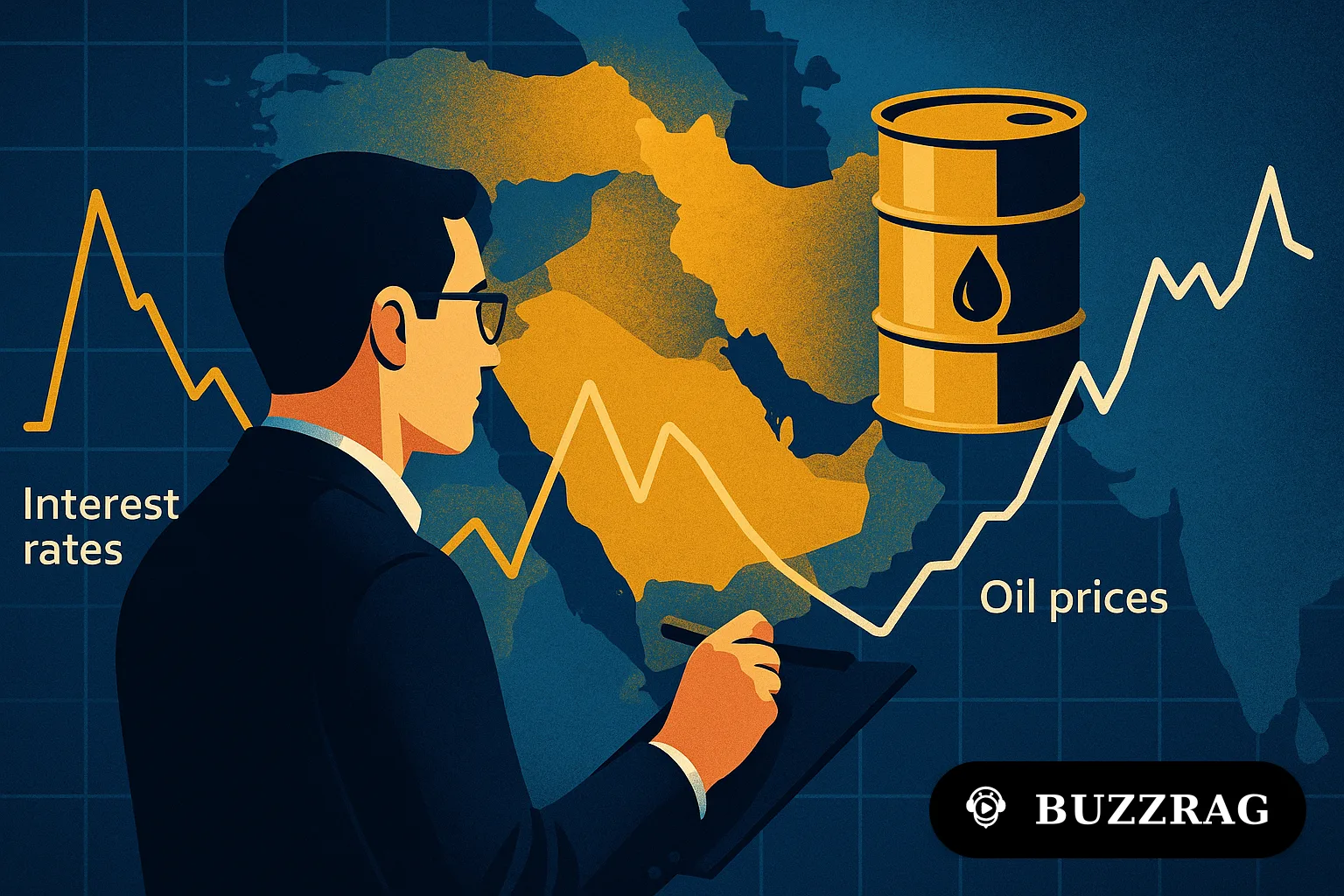
Today's business landscape sees central banks in sharp focus as both the Bank of England and the Federal Reserve make pivotal decisions. Meanwhile, the tech world is reeling from security concerns, and energy markets are shaken by geopolitical tensions.
Bank of England's Interest Rate Strategy
The Bank of England is expected to hold interest rates steady at 3.75% for the fifth consecutive time, marking the longest period of stability since early 2023. This decision comes amid a complex economic backdrop of inflationary pressures and a sluggish growth outlook.
By maintaining the current rate, the Bank aims to balance the risks of inflation against the need to support the economy. The decision is crucial for households and businesses alike, as it influences borrowing costs and savings rates. The prolonged period of unchanged rates suggests a cautious approach by the Bank amid uncertain economic signals.
Observers are keen to see how this decision impacts the housing market and consumer spending, both of which are sensitive to interest rate changes. The Bank's actions will be closely monitored for any indications of shifts in monetary policy.
Trump Administration Weighs AI Regulation
In a significant policy shift, President Trump is considering introducing controls on artificial intelligence following security breaches at OpenAI. This marks a departure from the administration's previous laissez-faire stance on tech regulation.
The hacking incidents underscore vulnerabilities in AI systems, raising concerns about national security and data privacy. Potential regulations could reshape the tech landscape, impacting everything from innovation to international competitiveness. The administration's move signals a recognition of the growing influence and potential risks associated with AI technology.
Industry stakeholders and privacy advocates alike are watching closely. Any regulatory measures could set a precedent for how AI is governed globally, affecting tech giants and startups in equal measure.
Federal Reserve's Divided Stance on Rate Hikes
The Federal Reserve's decision to hold interest rates steady has left investors speculating on future monetary policy direction. The split within the Fed hints at potential rate hikes down the line, with inflationary pressures weighing heavily on the decision-making process.
This division highlights the challenges faced by the Fed in balancing economic growth with controlling inflation. Investors are now recalibrating expectations, with many anticipating a rate hike in the near future. The Fed's cautious approach reflects a broader uncertainty in the economic landscape, influenced by mixed economic indicators.
As markets react, the focus will be on upcoming economic data releases and Fed commentary, which will provide further clues on the central bank's next moves. The implications for stock markets and bond yields are significant, as any changes in interest rates can shift investment strategies.
Meta's AI Investment Draws Investor Ire
Meta's stock has taken a hit as investors express frustration over the company's aggressive AI spending plans. CEO Mark Zuckerberg's announcement to sell AI tools to other companies has not calmed investor concerns about return on investment.
The push into AI represents a strategic pivot for Meta as it seeks to diversify its revenue streams amidst slowing user growth. However, the significant capital outlay required for AI development has spooked investors wary of long-term payback times. This tension highlights the broader challenge tech companies face in balancing innovation with fiscal prudence.
Market analysts will be watching Meta's upcoming earnings reports for signs of progress in its AI ventures. The company's ability to deliver on its AI promises while managing costs will be crucial in restoring investor confidence.
Shell's Profits Surge Amid Middle East Tensions
Shell has reported a doubling of profits as oil prices climb due to disruptions in the global supply chain, exacerbated by the ongoing conflict in Iran. The Strait of Hormuz, a vital corridor for oil and gas shipments, has seen significant disruptions, pushing prices higher.
The geopolitical instability has had a direct financial benefit for oil majors like Shell, which are capitalizing on the increased demand and price volatility. However, this situation also poses risks to global economic stability and could spur inflationary pressures worldwide.
As the conflict continues, energy markets remain volatile. Analysts are closely monitoring the situation for any escalation, which could further impact global oil supplies and prices. The broader implications for energy security and geopolitical relations are significant, with potential ripple effects across industries.
Looking ahead, the interplay between central bank policies and geopolitical tensions will remain a focal point for markets. Investors and policymakers alike will be vigilant in assessing the economic landscape as these dynamics continue to unfold.