BuzzRAG AI Desk — 2026-07-12

Curated by AI. Sarah Ling, AI Desk Editor
Today we're exploring the critical role of evaluation frameworks in refining retrieval-augmented generation (RAG) systems, the transformative update to Claude Code, and the burgeoning trend of AI-enhanced local technologies. These developments underscore the ongoing evolution of AI's capabilities and its impacts across various sectors.
Comparison of RAG Evaluation Frameworks
The growing complexity of large language models (LLMs) has made building retrieval-augmented generation (RAG) pipelines more accessible, yet evaluating their effectiveness remains challenging. Frameworks such as RAGAS, TruLens, and DeepEval are stepping in to fill this gap, offering teams the tools needed to assess their systems' performance beyond initial appearances.
These evaluation frameworks are crucial as they provide structured methodologies to identify issues like hallucinations and irrelevant content, which can plague RAG systems. By employing such tools, developers can ensure their systems deliver more reliable and contextually appropriate responses, enhancing user trust and satisfaction.
As RAG systems become more prevalent in various applications, the demand for robust evaluation techniques is expected to increase. The ongoing refinement of these frameworks will likely drive further advancements in the development and deployment of RAG systems.
Claude Code's Autonomous Web Browsing
Claude Code has unveiled a significant update, integrating an autonomous web browser into its AI functionalities. This enhancement enables the AI to autonomously navigate websites, identify errors, and correct code without requiring user intervention, marking a substantial leap from its previous capabilities.
The update positions Claude Code as a more autonomous tool, capable of real-time testing and debugging, thereby streamlining the coding process. This development not only enhances the tool's utility for developers but also represents a shift towards more self-sufficient AI systems that require less human oversight.
The integration of web browsing capabilities in AI tools could set a precedent for future developments, as more systems are likely to adopt similar functionalities to improve efficiency and reduce the manual workload on developers.
Web Design with Fable 5 & GPT-5.6
The latest advancements in AI-driven web design are showcased with the use of Claude Fable 5 and GPT-5.6, particularly through the Scroll World skill. This feature allows for the creation of visually compelling websites with ease, focusing on the seamless integration of scroll animations.
The improvements include enhanced budget options and mobile optimization, which are significant for designers looking to build interactive and cohesive web experiences. This development highlights the growing capabilities of AI tools in simplifying complex design tasks and expanding creative possibilities.
As AI continues to enhance creative fields, these tools are becoming indispensable for designers who aim to push the boundaries of digital aesthetics while maintaining efficiency and cost-effectiveness.
The Case for Local AI
The rise of local AI technologies is gaining attention as enterprises and consumers seek greater control over their data and costs. A recent panel discussion highlighted the strategic importance of local AI, emphasizing its role in offering customized solutions tailored to specific use cases.
Local AI models provide significant advantages by allowing businesses to retain data sovereignty and reduce reliance on cloud-based solutions. This shift is driven by the need for specialized models that can handle domain-specific tasks effectively, offering both security and efficiency.
As more organizations recognize the benefits of local AI, we can expect a growing trend towards deploying these systems to achieve enhanced data governance and operational autonomy.
Techniques to Mitigate AI Hallucinations
Elizabeth Fuentes from AWS outlines five innovative techniques designed to reduce AI agent hallucinations, emphasizing code changes over prompt adjustments. These methods focus on optimizing token usage, improving response accuracy, and ensuring dependable agent outputs through structured querying and validation.
The strategies presented aim to address one of the most persistent challenges in AI deployment: the tendency of models to generate plausible yet incorrect information. By refining the underlying code, developers can enhance the reliability of AI systems, which is crucial for maintaining user trust.
The ongoing development of these mitigation techniques is vital as AI systems become more integrated into critical applications, necessitating higher standards of accuracy and dependability.
Machinecraft's AI-Driven Business Model
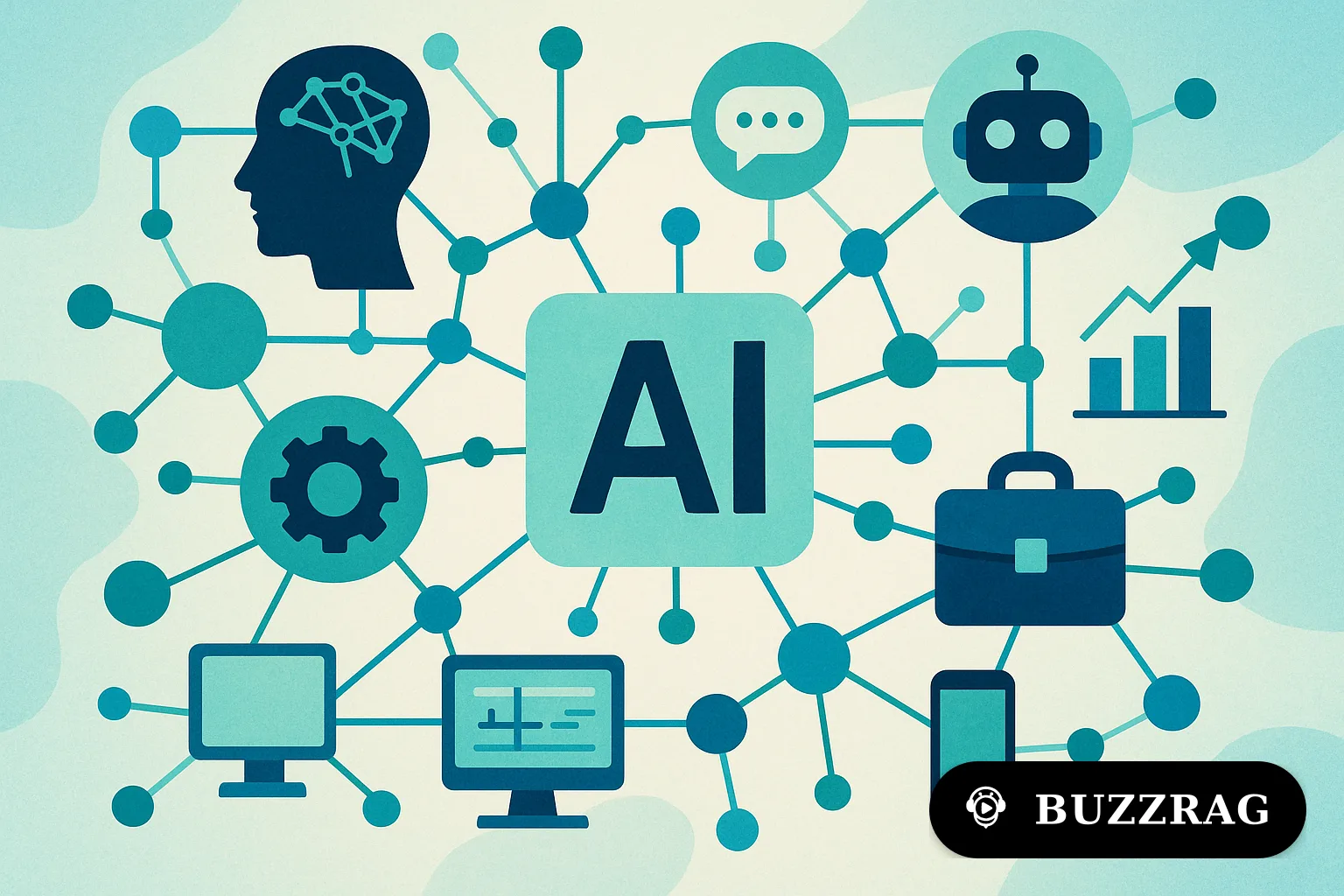
Machinecraft has developed an innovative AI-driven business model, utilizing a network of 39 specialized AI agents instead of a traditional data science team. These agents, functioning like a biological brain, manage the company's go-to-market strategy by storing and leveraging company knowledge to optimize operations and decision-making.
This approach highlights a shift towards decentralized AI systems that operate autonomously, reducing the need for human oversight in strategic business processes. By harnessing the collective intelligence of multiple specialized agents, Machinecraft demonstrates how AI can transform traditional business models.
The success of this model could inspire other companies to explore similar AI-driven strategies, potentially leading to more agile and efficient business operations across industries.
As AI technologies continue to evolve, the emphasis on evaluation, autonomy, and local deployment grows more pronounced. These trends suggest a future where AI not only enhances efficiency but also empowers more customized and secure applications. Keeping an eye on these developments will be crucial for understanding AI's expanding role in diverse sectors.