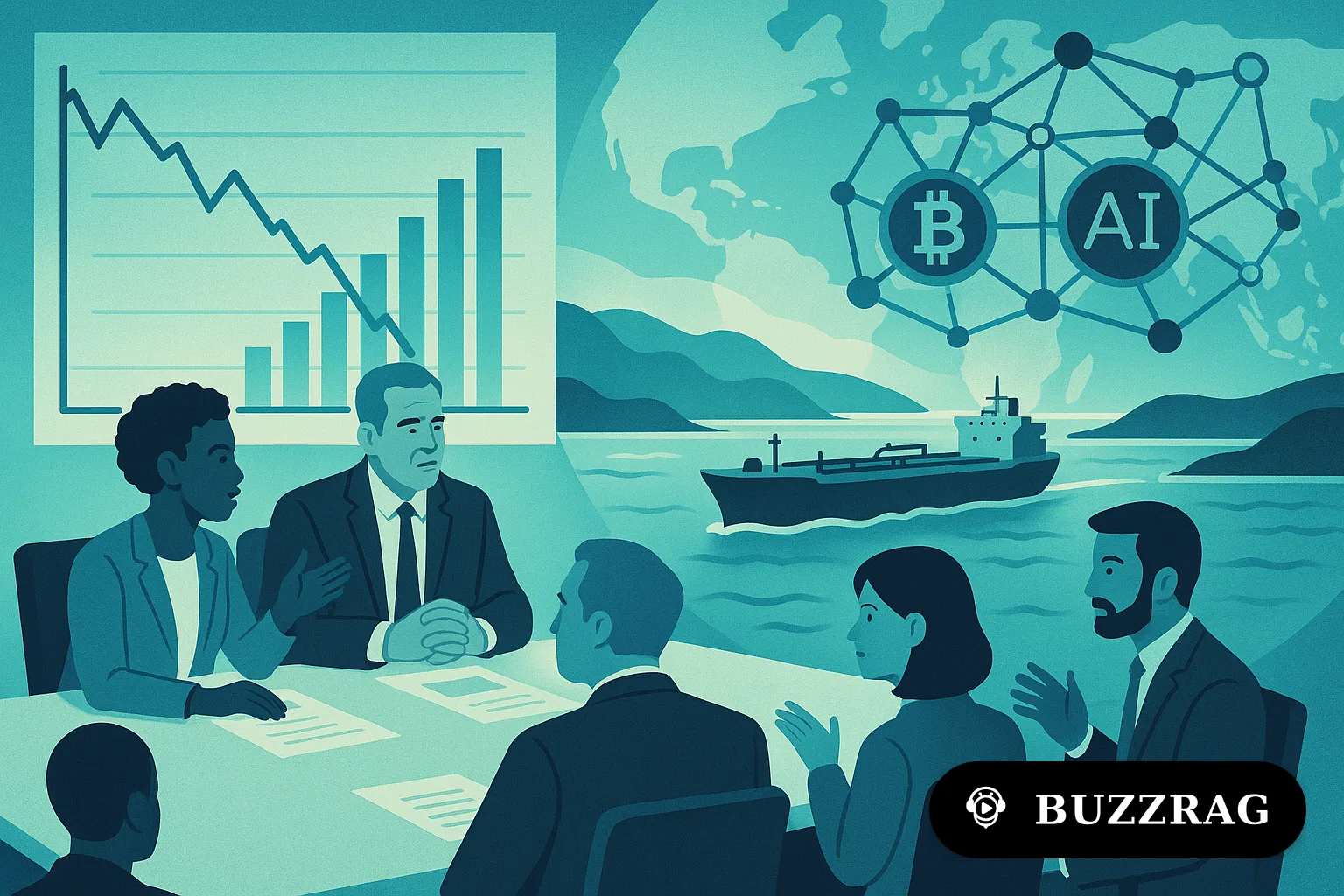
BuzzRAG Business Desk — 2026-07-12

Curated by AI. Marcus Webb, Business Desk Editor
Today's business landscape is dominated by the Federal Reserve's strategic shifts under Kevin Warsh, potential geopolitical tensions affecting oil markets, and the ongoing struggles within cryptocurrency markets. As the financial world adjusts, London's hidden poverty premium highlights the growing economic divide.
Warsh's Debut at FOMC: A New Monetary Path?
Kevin Warsh's inaugural meeting as the Federal Reserve Chair was met with cautious optimism as financial markets reacted to his proposed policy shifts. Warsh's approach indicates a strategic pivot towards more aggressive interest rate adjustments, aiming to curb inflation while fostering sustainable economic growth.
His tenure begins at a critical juncture, with inflationary pressures lingering and global economic uncertainties casting long shadows. The financial community is keenly observing whether Warsh can balance these pressures without derailing economic recovery. Early responses from market analysts suggest a tentative approval, yet the real test will be the Fed's ability to maintain economic stability through these transitions.
As Warsh sets the tone for future monetary policy, investors are on edge about potential rate hikes and their impact on equity markets. With a strong focus on inflation control, all eyes are on the Fed's next moves to see if they can successfully navigate the complex economic landscape.
Oil Market on Edge: Strait of Hormuz Concerns
The Strait of Hormuz, a vital artery for global oil supply, is once again in the spotlight as geopolitical tensions flare. The potential for conflict in this region threatens to disrupt oil flows, which are already strained by depleted stockpiles and rising demand.
The stakes are high for global economies that rely on stable oil prices to maintain growth. Energy markets are acutely sensitive to disruptions, and any escalation could lead to significant price volatility. As tensions rise, traders and governments alike are bracing for potential impacts on energy costs and broader economic stability.
In light of these developments, countries heavily dependent on oil imports are assessing alternative strategies to mitigate risks. The situation underscores the critical nature of geopolitical stability in ensuring uninterrupted global energy supplies.
Bitcoin's Bear Market: Is a Rebound Imminent?
Bitcoin continues to languish in a bear market, with its value suppressed by rising inflation, its cyclical nature, and excessive market leverage. Despite this downturn, some analysts predict a dramatic rebound, projecting prices could soar to $100,000 by the year's end.
The cryptocurrency's four-year cycle, historically marked by periods of boom and bust, is a key factor in forecasting potential recoveries. Additionally, speculative trading fueled by leverage has amplified price swings, leading to a volatile market environment that challenges both new and seasoned investors.
While predictions of a price surge are enticing to investors, skepticism remains due to the unpredictable nature of crypto markets. Observers are closely monitoring macroeconomic indicators and regulatory developments that could influence Bitcoin's trajectory in the coming months.
Tech Exodus: AI Fears Prompt Early Retirements
A growing number of tech workers are opting for early retirement, citing the rapid pace of AI development and its disruptive effects as key reasons. As AI technologies reshape industries, the prospect of constant adaptation has driven some to exit the workforce prematurely.
The tech sector, known for its high-pressure environment and steep learning curves, is seeing a wave of retirements from individuals who feel overwhelmed by the relentless evolution of AI-driven processes. This trend raises questions about the sustainability of workforce dynamics in an industry that thrives on innovation.
As companies grapple with potential talent shortages, there is an urgent need to address these concerns by fostering supportive environments that accommodate ongoing learning and adaptation. How tech firms manage this transition will be pivotal in maintaining industry growth and stability.
As we look ahead, the interplay between geopolitical tensions, monetary policy shifts, and technological changes will shape the economic landscape. Stakeholders should stay vigilant as these factors continue to influence market dynamics and the broader economy.