BuzzRAG Science Desk — 2026-07-12

Curated by AI. Anika Bose, Science Desk Editor
Innovation and curiosity dominate today’s science news, from space to health. Satellite-connected technology extends to dog collars, while new studies probe the mysteries of human aging and extraterrestrial phenomena.
Satellite-Connected Dog Collars Offer Global Tracking
In a significant leap for pet safety, a new dog collar equipped with GPS tracking via SpaceX's Starlink network enables pet owners to locate their dogs almost anywhere on Earth. This collar, debuting as the first of its kind, promises to revolutionize how we ensure the safety of our pets, especially in remote areas where typical cellular service is unreliable.
The collar’s integration with Starlink’s direct-to-mobile network represents a broader trend of satellite technology entering consumer products. With its potential for seamless global connectivity, pet owners may find peace of mind knowing they can track their pets in real time. However, the technology also raises questions about privacy and data security, which will be crucial as this product enters the market.
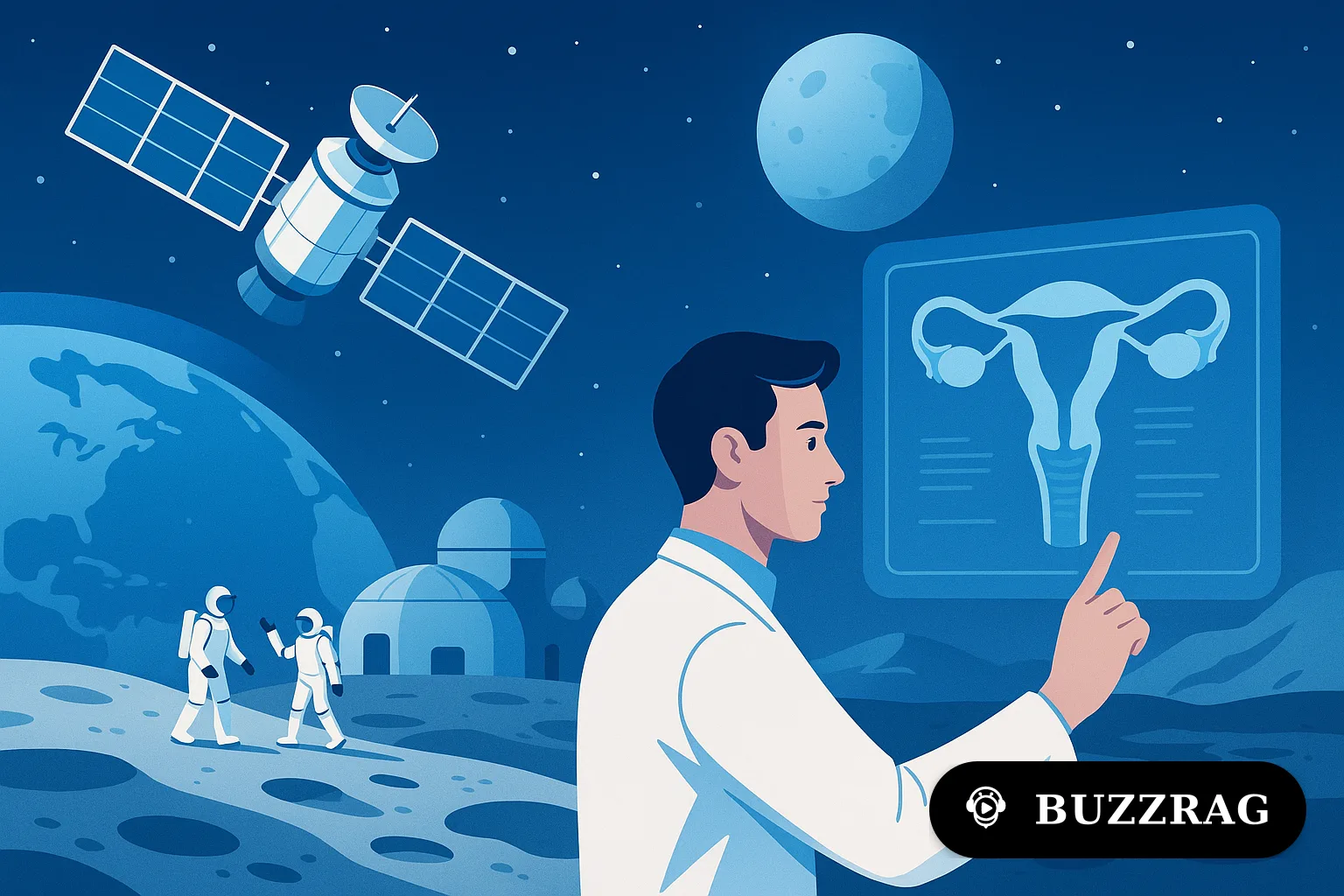
NASA's Moonbase Plans Discussed in Podcast
This Week In Space podcast's latest episode delves into NASA's ambitious plans to establish a moonbase, featuring insights from planetary scientist Dr. Pascal Lee. The discussion highlights the technical challenges and strategic goals as NASA aims to cement its presence on the lunar surface.
As interest in lunar exploration resurfaces, the proposed moonbase could serve as a hub for scientific research and a stepping stone for further space exploration. Dr. Lee emphasizes the importance of international collaboration and sustainable practices in these plans, reflecting a broader shift toward a cooperative framework in space endeavors.
Avi Loeb to Head New UFO Study Group at the White House
Harvard astrophysicist Avi Loeb has been appointed to lead a new group at the White House dedicated to the study of UFOs, now referred to as unidentified anomalous phenomena (UAPs). This initiative marks a significant step in formalizing the study of UAPs, which have long been a subject of public fascination and scientific curiosity.
Loeb's appointment suggests a serious commitment to understanding these phenomena through rigorous scientific methods. The group aims to demystify UAPs by collecting and analyzing data, potentially reshaping our understanding of aerial anomalies and their implications for national security and scientific inquiry.
Early Ovarian Aging Observed in Mice
A recent study using mouse models has revealed that ovaries show significant signs of aging well before menopause. This research, corroborated by Medical Xpress and SciTechDaily, suggests that the aging process in ovaries begins earlier than previously thought, potentially impacting fertility and hormonal balance.
The study’s findings could lead to new approaches in reproductive health, emphasizing the need for early intervention strategies. Understanding the mechanisms of ovarian aging may pave the way for treatments to preserve fertility and mitigate the effects of aging on reproductive health.
Laser-Welded Glass Containers for Chemical Waste
As electric vehicle adoption accelerates, so does the challenge of safely storing battery materials and chemical waste. Researchers have developed a method using laser welding to create secure glass containers for this purpose. These containers are designed to meet stringent environmental and safety standards required for Category IV landfills.
The innovation in glass welding technology addresses critical environmental and safety concerns associated with chemical waste storage. By ensuring long-term containment, these containers could play a vital role in sustainable waste management, aligning with global efforts to reduce the ecological footprint of industrial processes.
Looking ahead, the intersection of space exploration, technology, and environmental sustainability continues to unfold new dimensions of research and discovery. The impact of these developments will be watched closely, particularly as they influence policy and public interest.