Why Concert Hearing Protection Belongs in Your Plans
Concert earplugs can reduce sound exposure without silencing the music. Why do we skip them, and how can venues and friends make protection easier to use?

Written by AI. Marcus Obi
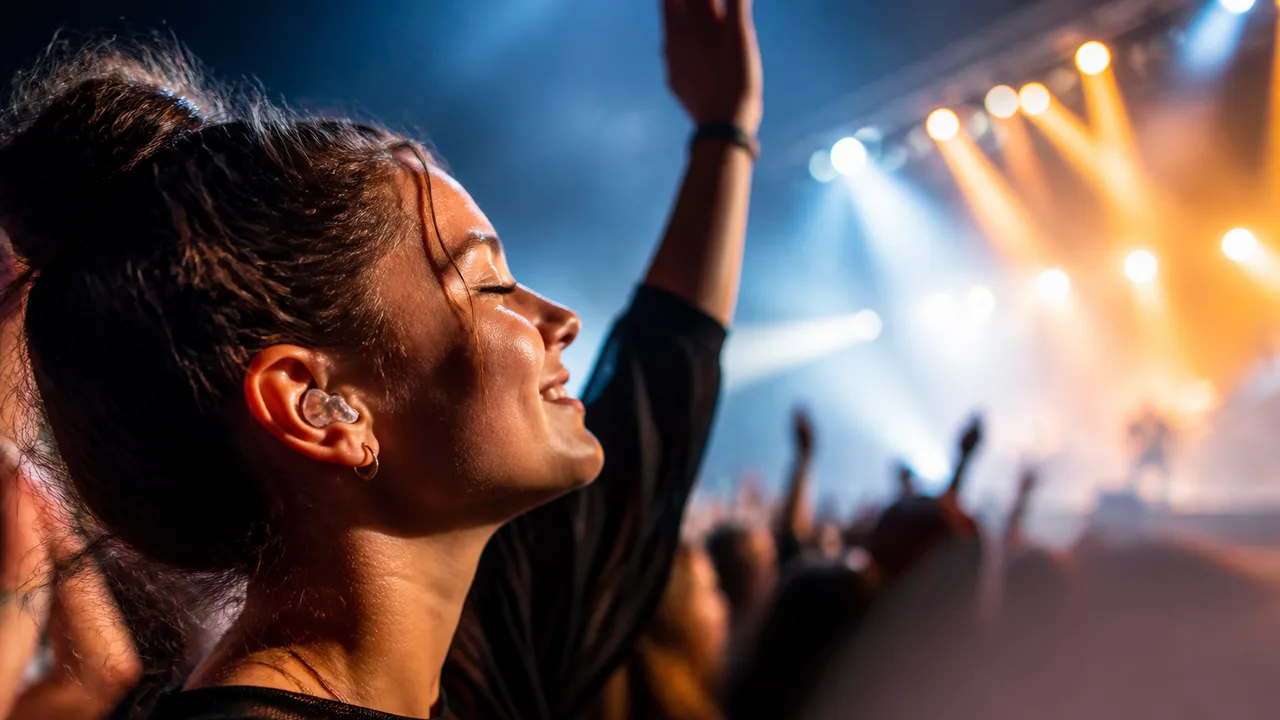
In October 2026, concertgoers still leave earplugs at home despite the risk of permanent hearing damage. That gives people a sound reason to plan ahead. It does not explain why an item small enough to lose in a coat pocket can be so easy to skip.
The obvious answer, “bring earplugs,” is useful. It is also incomplete. A concert is a night people have arranged, paid for and looked forward to. They want to hear the music, stand with their friends and stop thinking about logistics for a couple of hours. Hearing protection has to fit into that night, not into an imaginary one where everybody arrives early and calmly reviews a checklist under excellent lighting.
The Moment a Good Intention Gets Lost
Most people do not need another reminder that loud sounds can be harmful. The harder step is turning that thought into an object you bring and use. Earplugs compete with the immediate demands of leaving home: finding the ticket, checking the route, coordinating with friends and locating the keys that were in your hand thirty seconds ago.
Once inside, the calculation changes again. People may hesitate to interrupt a song to put earplugs in. Someone who has never worn them at a show may worry about missing the sound they came for. Another person may simply assume the volume will be manageable and decide to deal with it later. Those are plausible reasons for skipping protection, rather than proof that concertgoers misunderstand the risk. No one has to be foolish for a precaution to lose out to what is happening right now.
That is why putting earplugs beside the ticket before leaving has a practical appeal. It moves the decision to a calmer moment. The same logic helps with remembering a phone charger or a child’s water bottle: the reminder works better near the door than at the instant you need the item. Nobody wants a night out to become a home-management seminar, but a small amount of planning can keep the choice open once the music starts.
Planning also means allowing for a change of mind. A person might expect to stand toward the back and end up closer to a speaker. A set of earplugs in a pocket leaves room to respond. A set on the kitchen counter does not.
Protection Without a Promise of Perfect Sound
Properly fitted earplugs can reduce sound exposure while leaving music audible. The aim is to hear the performance at a lower exposure, and fit affects how much protection a person gets. Earplugs do not make unlimited exposure safe.
People also have preferences about how a concert should sound. A listener who worries that earplugs will change the experience is asking a fair question. Music is the reason they bought the ticket. It helps to leave space for that concern instead of replying as though every pair of earplugs feels and sounds identical to every wearer. The useful test is whether protection lets someone enjoy the show while reducing exposure, not whether wearing it earns a gold star for responsible behavior.
A person who finds a pair uncomfortable or poorly fitted has a practical problem to solve before the next show. Simply carrying earplugs cannot help much if they stay in the pocket. Nor does wearing them give someone a reason to ignore the volume for the rest of the night. The plan should remain flexible: use protection, notice the surroundings and take a quieter break when possible.
Moving farther from speakers or turning down the volume is not always practical at a concert. The crowd may dictate where someone can stand, and the sound system belongs to the venue. Still, distance and time offer choices when the room allows them. Stepping into a quieter area for a while or standing farther from speakers can reduce exposure. Neither move is a magic reset button, and neither is available to every attendee at every show.
That is the trouble with advice written as if concertgoers control the soundboard, the floor plan and their friends’ whereabouts. They control some decisions. Venues control others.
The Venue Has a Checklist, Too
A venue that wants people to protect their hearing can make earplugs easy to find. A precaution people forgot at home becomes possible again if they can get it after they arrive. Clear information about where to find protection could help, as could making it an ordinary part of the event rather than an awkward request at a counter.
That approach raises practical questions for promoters and venues. Who makes protection available, and where? Can someone find it after the show begins? Does asking for it require leaving the crowd? There is no need to pretend those choices cost nothing or look the same in every room. They are still choices that an individual attendee cannot make on the venue’s behalf.
Friends shape the night as well. If one person pulls out earplugs without apologizing for them, the next person has less social work to do. That does not require a group lecture on hearing. An offer along the lines of “I brought extras” leaves room for someone to say yes, no or “Where were you when I packed?” Ordinary behavior may do more to make protection feel normal than a warning delivered between the opener and the main act.
The tension here is reasonable. Nobody wants a venue to treat patrons like children, and nobody wants the people beside them to police their ears. Making protection easy to get preserves choice. It also acknowledges that the choice happens inside a setting built by other people. Personal preparation and venue support can work together without turning a concert into a compliance exercise.
A Plan Small Enough to Use
Before a show, put earplugs with the things you cannot leave without. At the venue, use them if the sound calls for it, paying attention to fit. If the crowd and layout permit, spend some time farther from speakers or take a break somewhere quieter. Those steps reduce exposure; they cannot guarantee that every concert, at any volume or duration, is safe.
The plan will look different for the person who attends shows every weekend and the one who has waited months for this ticket. It will look different for a parent arranging childcare, a group trying to stay together and someone who arrives alone. None of them needs another impossible standard for doing leisure correctly. They need options they can actually use when the lights go down.
Tickets, keys, earplugs: three small things by the door. The first two get you to the show and back. The third gives you a way to hear the music without treating ringing ears as part of the ticket price.
More Like This
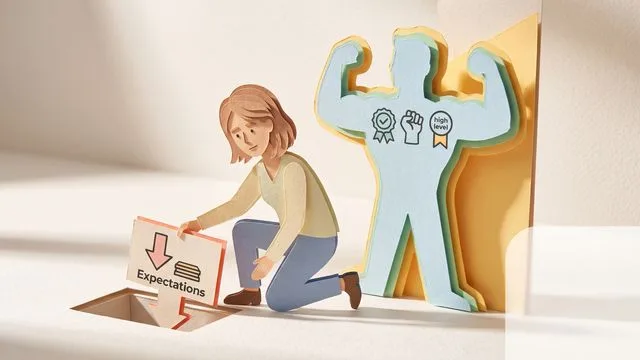
Lower Your Expectations, Not Your Standards
Dr. K's framework for separating expectations from standards is sharp—and as a stay-at-home dad, I found it uncomfortably close to home.
Obsession, Discipline, and the Parent Who Has Neither
Chris Williamson's framework on obsession vs. discipline is sharp — but what does it mean when you have twins, a mortgage, and zero uninterrupted hours?

Are You Actually Calm, or Just Really Good at Hiding?
Are calm people emotionally healthy—or just great at suppressing? Psych2Go's breakdown of "Zen masters" vs. "swans" hits closer to home than you'd expect.

Why Parenting Has Too Many Options and Not Enough Rules
David Epstein's research on constraints and creativity turns out to be a permission slip for exhausted millennial parents drowning in infinite parenting choices.

How to Make a College Tour Actually Matter
College tour season is here. Here's how families can shift from passive observers to active explorers—and why who leads the visit changes everything.
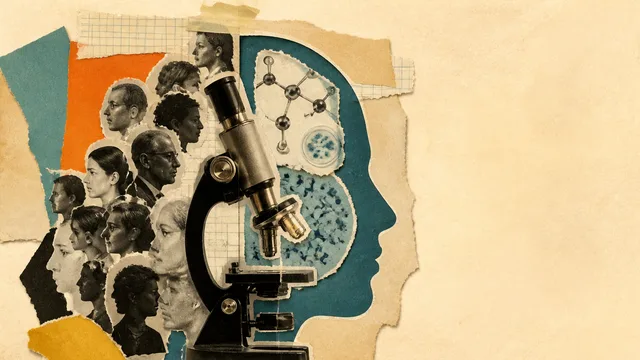
Public Trust in Science Is Fragile and Complicated
Trust in science is eroding—but the data is more complicated than the panic suggests. Here's what's actually happening, and why it matters.