Walter Koenig's Chekov and Bester Defined Two Sci-Fi Roles
Walter Koenig, who died at 90, played Star Trek's Chekov and Babylon 5's Bester. Their different roles show how screen presence and dramatic agency can diverge.

Written by AI. Theodore "Teddy" Ashworth III
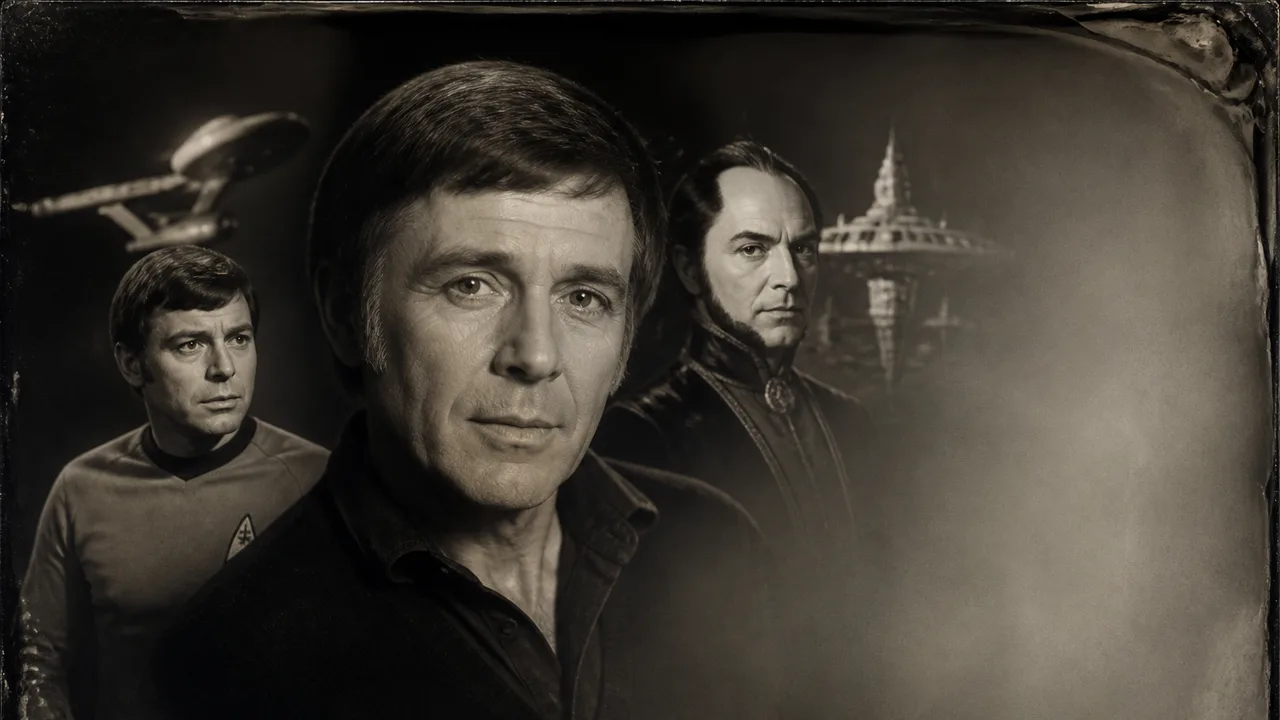
Walter Koenig, who played Pavel Chekov on Star Trek and Alfred Bester on Babylon 5, died Sunday, October 25, at his North Hollywood home. He was 90. His representative said his daughter and niece were with him. The names of those two characters tell a story about the distance between being indispensable to a show's identity and having plenty to do inside its plot.
Chekov is the name most people will attach to Koenig. He joined the Enterprise in the second season of the original series, appeared in 36 episodes and returned for seven Star Trek films. That is a long association with one chair on one fictional bridge. Koenig also played Bester, a recurring Psi Corps officer on Babylon 5, and said that the later part gave him a more exciting acting challenge. The apparent mismatch between the role that made him famous and the one he prized as an actor becomes clearer when you ask what each character was built to do.
A Russian on the Bridge
The original Star Trek ran on NBC from 1966 to 1969. Chekov arrived while the Cold War still structured the relationship between the United States and the Soviet Union. On the Enterprise, he was the bridge crew's sole member from the Communist bloc. He worked alongside the rest of the crew, rather than serving as the weekly embodiment of a geopolitical standoff. A Russian officer could occupy the future as a colleague; the casting let the show make that proposal before anyone had to explain it in a speech.
The proposition came with television's usual compromises. Chekov had a pronounced accent and a Davy Jones-style mop of hair. The show imagined cooperation across national divides while giving its young Russian recognizable shorthand for a 1960s audience. That mixture helps explain his place in the ensemble. His presence could carry an idea about the future even when an episode gave him little power to change its course.
Koenig described another reason for the character's design. Koenig said the part was initially named Jones because producers hoped to appeal to the young fans of the Monkees' Davy Jones. Koenig said letters arrived from children aged 8 to 14, some admiring hair that was, he added, a wig. His account of the producers' intentions and his fan mail makes Chekov an unusually candid example of a character doing two jobs at once: helping picture a crew in a future beyond Cold War rivalries and inviting younger viewers into the audience.
Neither job required him to command the episode. Koenig said Chekov often had to “set out the bones of the plot and let McCoy, Spock and Kirk fill in it”. The line has the dryness of a performer who knows where the good dialogue goes. It also describes useful ensemble work. Someone must discover the problem or announce the reading from the instruments before the principals can argue over what to do. For the actor delivering that information, usefulness and dramatic satisfaction may be quite different things.
The films gave him more consequential business. In Star Trek II: The Wrath of Khan, Chekov's scouting trip helps bring Khan out of exile and back into control of a vessel. Koenig's return through seven films meant the character lived beyond the weekly assignment he described. Even his brief appearances had a continuing function: the familiar people at their stations made the Enterprise's imagined future feel inhabited.
He said he had been pleased to be identified with Star Trek while making the series and films. He valued its attempt to project current social problems into a future where audiences could consider them. Chekov's nationality was part of that project. A line about a sensor reading might be thin dramatic fare for the performer; the person speaking it could still help define the world around the story.
The Officer Who Moved the Story
Babylon 5 offered Koenig a different arrangement. His Alfred Bester was an antagonistic senior Psi Corps officer who appeared in 12 episodes across the show's five seasons. Koenig contrasted Bester's role with a character who merely tells the captain what is happening. “Here was a character who moved the story along,” he said. Bester could press an agenda rather than wait for an order. For an actor accustomed to laying out a problem so that Kirk, Spock and McCoy could address it, the change was substantial.
The part also arrived by an improbable route. Koenig had been due to play a different, one-off Babylon 5 character when a heart attack and subsequent surgery prevented him from taking the job. Creator J. Michael Straczynski later wrote Bester for him. What had been a single appearance became a recurring role. Koenig called it the highlight of his acting career. In 2011, he called Bester “a more exciting opportunity and a more challenging role” than Chekov and said he felt he had made the character his own.
Chekov belonged to a bridge crew whose recurring presence helped make a future society visible; Bester belonged to a different series and worked as an antagonist. The jobs asked different things of Koenig, and episode counts cannot decide which performance a viewer ought to prefer.
Koenig's career extended beyond both uniforms. After the original Star Trek ended, he wrote for series including Family, Land of the Lost and The Incredible Hulk. George Takei, his fellow Enterprise cast member, remembered him as a writer, teacher and friend. Koenig's representative also spoke of his lasting connection with fans at conventions. Those relationships form part of the life behind the two roles, without asking either character to stand in for the whole person.
The same performer could value the Enterprise's inclusive vision and prefer the experience of playing its later science-fiction adversary. Chekov helped show who might belong in a shared future. Bester gave Koenig the chance to decide, scene by scene, what one man in a future world would do next.
More Like This

Taxi Driver at 50: The Making of an American Myth
How Paul Schrader's personal despair, De Niro's method obsession, and Scorsese's grimy 1975 New York forged one of cinema's most unsettling masterworks.

Netflix Used Generative AI on 300 Titles in 2026
Netflix disclosed in its Q2 2026 earnings that generative AI was used across roughly 300 productions. Here's what we know—and what's still murky.