Unraveling the Mysteries of Magic in Middle-earth
Explore how magic in Middle-earth defies traditional spells, rooted in nature, craft, and intent.

Written by AI. Leo Santana
In the realm of Middle-earth, magic is both everywhere and nowhere. It's a world where the very term "magic" may mislead, suggesting a system of spells and incantations that Tolkien himself never prescribed. Instead, magic in Middle-earth is woven into the fabric of existence, shaped by the nature, craft, and intent of its beings.
To begin with, the perception of magic in Middle-earth is as diverse as its inhabitants. For hobbits and men, the unexplained becomes "magic." But for elves, magic is inseparable from the world itself. Galadriel, when questioned by Samwise Gamgee about elf magic, expresses confusion, highlighting that what others perceive as mystical is merely a deeper understanding of the world. This distinction underscores a critical point: magic in Middle-earth is not universally defined; it is a matter of perspective.
Gandalf exemplifies this concept beautifully. As a Maia, his actions aren't mere spellcasting. They're expressions of his true nature. When confronting the Balrog in Moria, Gandalf doesn't conjure spells like a typical wizard; he reveals a power intrinsic to his being. This is echoed in Tolkien's writings, where he suggests that power "comes from what something is."
Craftsmanship further blurs the lines between the magical and the mundane. Elven creations, like the rope gifted to the Fellowship, may seem enchanted. Yet, they are products of unparalleled skill and a deep connection to the makers' essence. The doors of Durin open not through spells but through the inherent magic of their construction, reflecting how Middle-earth's magic is often the result of craftsmanship rather than incantation.
The intent behind the use of power is another cornerstone of Tolkien's magic. Sauron's dominance spreads darkness across the land, altering the very nature of Middle-earth. In contrast, elves and Gandalf use their power to preserve and protect, showcasing restraint and a desire to maintain what is good. They epitomize Tolkien's notion that magic is not about control but about intent.
Tolkien himself acknowledged the complexity of magic, writing, "I am afraid I have been far too casual about magic. It is a very large question and difficult." This sentiment captures the essence of Middle-earth's magic: a blend of being, knowledge, and purpose. It defies simple explanation, existing to evoke a sense of ancient, subtle wonder.
In Middle-earth, magic is not a force to be mastered but a reflection of what the world is and what its denizens strive to achieve. It challenges our understanding and invites us to ponder the deeper meanings of power and intent. So, as you navigate the rich landscapes of Tolkien's creation, ask yourself: what truly makes a moment magical in Middle-earth?
More Like This
Reassessing the Queens of Numenor
Explore the nuanced reigns of Numenor's queens and their impact.
Exploring Earth's Mysterious Portals and Their Legends
Dive into the legends and theories around Earth's enigmatic sites like the Bermuda Triangle and Zone of Silence.
Netflix's Bold February: A Visual Culture Dive
Explore February's Netflix lineup through a design lens, from heists to satire.
10 Mind-Bending Free Movies on YouTube
Explore 10 thrilling, mind-bending movies available for free on YouTube, diving into unique narratives and visual storytelling.
Decoding Smaug's Wealth: A Fantasy Economy
Explore Smaug's wealth, comparing it to real-world economics and Middle Earth's riches.
Theoden's Fall: Magic, Manipulation, and Music Industry Parallels
Explore Theoden's decline in LOTR and its eerie parallels to modern music industry manipulation.
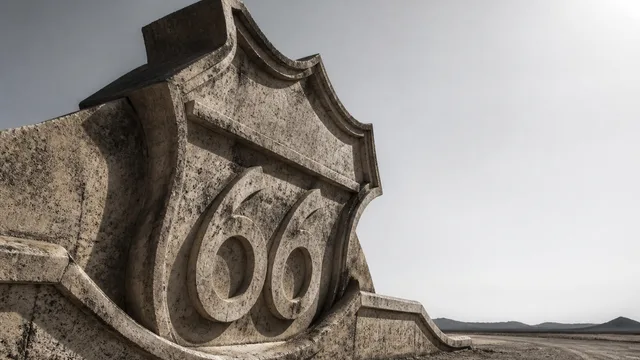
Route 66 and the Landscape of American Memory
Peter Adler's documentary on Route 66 reveals a road that stopped being infrastructure and became something stranger—a canvas for competing American mythologies.
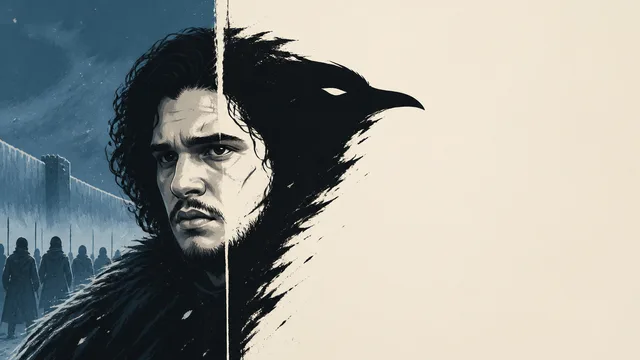
How HBO Turned Jon Snow Into a Logo
HBO's Game of Thrones didn't just simplify Jon Snow's character—it redesigned him into a merchandisable image. Here's what that visual shift cost the story.