States Can Now Regulate Prediction Markets as Gambling
A federal appeals court ruled states can regulate prediction markets as gambling. Here's what Kalshi users need to know right now, and what to watch next.

Written by AI. Tyler Nakamura
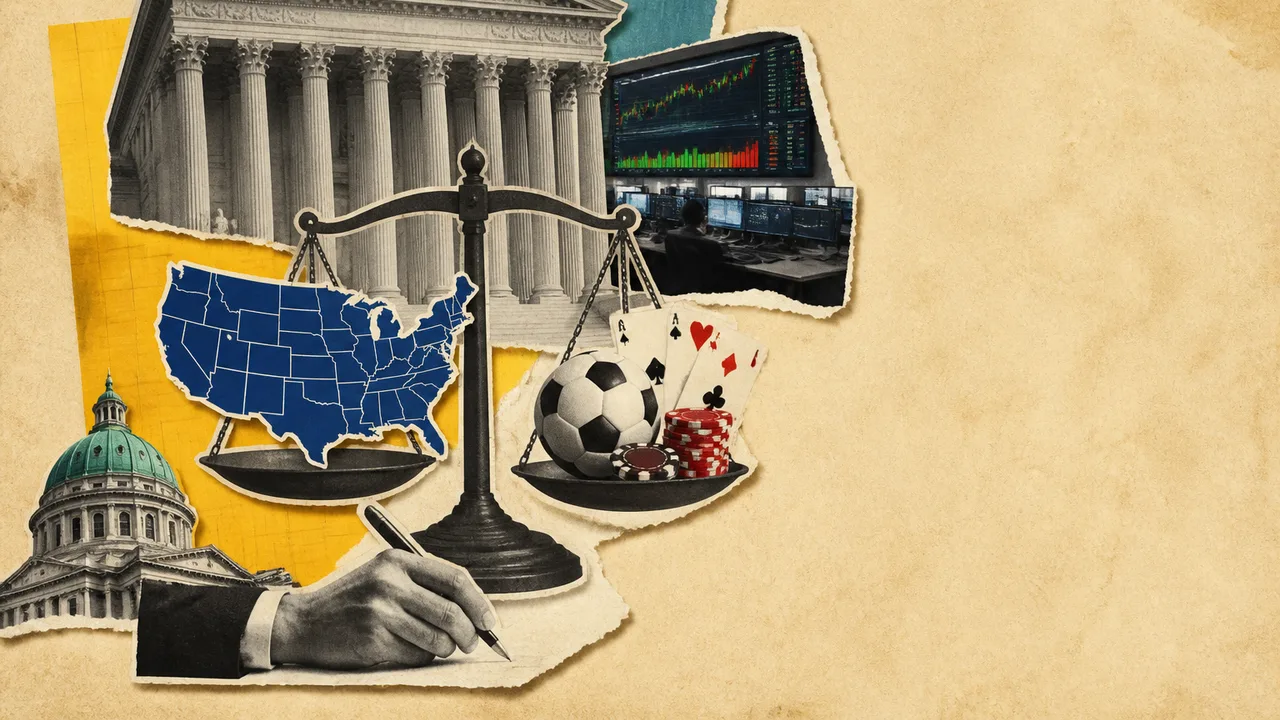
Open Kalshi on your phone and the UI feels like a brokerage, not a sportsbook. Clean sans-serif fonts. Green and red price ticks. A "portfolio" tab. Contracts with names like "Will the Fed cut rates before September?" The whole design language says: this is finance. You are an investor. You are doing something serious.
That framing just took a significant legal hit.
A federal appeals court ruled this week that states can regulate prediction markets as gambling, according to CNN. The decision, flagged by Slashdot as a landmark, is a genuine inflection point for an industry that has spent years arguing its way out of the "gambling" label through creative vocabulary. The court, per Ars Technica, ruled specifically that Kalshi's sports event contracts aren't "swaps" under federal commodities law. They're just gambling with a different name.
That's a direct quote from the framing Ars used, and it's worth sitting with: "gambling with a different name." Because that's the entire fight, right there in nine words.
You Already Know This Feeling
If you're under 30, you've watched this exact blurring happen in real time, twice already.
First came Robinhood, which took options trading (a genuinely complex financial instrument with real downside risk) and wrapped it in confetti animations and a dopamine-tuned interface. The design said "game." The fine print said "you can lose everything." Regulators eventually forced Robinhood to remove the confetti. The underlying product didn't change.
Then came DraftKings and FanDuel, which spent billions on NFL broadcast ads until sports betting felt like a normal hobby. Your friend group probably has a group chat for picks. Your uncle probably lost money on a parlay last weekend and called it "investing in the Chiefs."
Prediction markets are the third act of that same story. Kalshi lets you buy a contract that pays out if a specific event happens, a rate cut, an election result, a sports outcome. You're not "betting." You're "taking a position." The spread isn't a "vig," it's a "market price." The semantic distance from a sportsbook is real, but so is the functional similarity: you put money in, something happens, you either get more money back or you don't.
The court looked at Kalshi's sports contracts specifically and said: we see what you're doing, and Nevada gets to regulate it. That's the holding. That's what matters.
How We Got Here, Fast
Kalshi has been fighting state regulators on multiple fronts simultaneously, and the legal map is genuinely complicated.
In New York, the situation has been particularly high-stakes. NBC Sports reported that New York filed a $36 billion lawsuit against Kalshi, alleging the platform is running an "illegal gambling operation." Thirty-six billion dollars. That number is not a typo. The federal Commodity Futures Trading Commission responded by invoking emergency powers to keep Kalshi trading in the state while litigation plays out, according to Yahoo Finance. That federal-versus-state standoff, covered previously in our piece on the CFTC intervention, is the live wire running underneath this week's appeals court decision.
Minnesota tried a different approach, moving to ban prediction markets outright. A federal judge blocked that ban days before it took effect, as we reported at the time. So the picture going into this week was: New York suing, Minnesota blocked, CFTC playing federal referee.
Now add a federal appeals court saying states have the authority to regulate this as gambling, and the legal ground shifts meaningfully toward the states.
Kalshi's core argument has been that its contracts are "swaps" regulated under the Commodity Exchange Act, which would put them under federal CFTC jurisdiction and largely preempt state gambling laws. The appeals court rejected that argument for sports-event contracts, per Ars Technica. The CFTC can still authorize these markets at the federal level, but the ruling gives states a real foothold to impose their own gambling frameworks on top of, or instead of, that federal authorization.
The Accuracy Argument, and Its Limits
Prediction market defenders have a legitimate substantive case, not just a branding one. There's a meaningful body of research suggesting these markets aggregate information well. A study published in the International Journal of Forecasting and indexed by ScienceDirect found evidence that prediction markets outperform polls and expert opinion in forecasting accuracy over time. The Iowa Electronic Markets, a long-running academic prediction market, has been cited repeatedly in this context.
The argument is that if a market price reflects thousands of participants putting real money behind their beliefs, you get better signal than a pundit guessing on TV. That's genuinely interesting, and it's not wrong. Political scientists and economists take it seriously.
But here's the thing: "this product generates useful forecasting data" and "this product should be exempt from gambling law" are two different claims. Roulette wheels also generate data. The court isn't saying prediction markets are useless. It's saying Nevada gets to decide whether they need a license to operate there.
What Happens to You, the User, Right Now
This is where I want to be honest about the limits of what I can tell you, because the regulatory picture is genuinely unclear at the user level.
If you're in Nevada with open Kalshi contracts right now, I don't know exactly what happens to your positions. I don't know whether Kalshi will let you close them, hold them to resolution, or freeze them while lawyers argue. I don't know what message you see when you log in from a restricted state. Kalshi's public communications on this have been, predictably, vague. "We're evaluating the ruling" is the genre of statement you can expect.
What I can tell you is the pattern from previous state-level actions: platforms typically geo-block new contract purchases before they block anything else. Existing positions often stay live longer. Withdrawals are usually the last thing to get restricted, because freezing someone's money is where the lawsuits really start flying.
The specific risk for Kalshi users is this: the platform is federally licensed by the CFTC, but this ruling means that license doesn't automatically protect you in states that choose to classify Kalshi as a gambling operator. If your state decides to move, your access could get restricted faster than you think. The $36 billion New York lawsuit signals this isn't a low-stakes regulatory conversation.
Where This Goes Next
The Supreme Court is the obvious destination if Kalshi appeals, and the question of whether federal CFTC authorization preempts state gambling laws is exactly the kind of federalism question the current Court has shown appetite for. Don't hold your breath for resolution in months; this plays out in years.
In the meantime, the practical advice is unglamorous but real: if you have money on Kalshi right now, watch for geo-restriction announcements and know where your withdrawal settings are. If you're thinking about putting money into prediction markets for the first time, this week is a bad week to do it without understanding which state you're in and what its current posture is toward these platforms.
Kalshi built an app that looks like a brokerage. Courts in multiple states are deciding it's a casino. What you do with that gap is up to you, but go in knowing the gap is there.
More Like This
C++ Range Algorithms Make Code Actually Readable
Intel engineer shows how C++ parallel range algorithms transform confusing word-counting code into something humans can actually understand.

Terry Rozier Case Gets Worse With Witness Tampering Claims
Federal prosecutors say De'Niro Laster posted a rat emoji on Instagram to intimidate witnesses in the Rozier NBA gambling case. Here's why that matters.
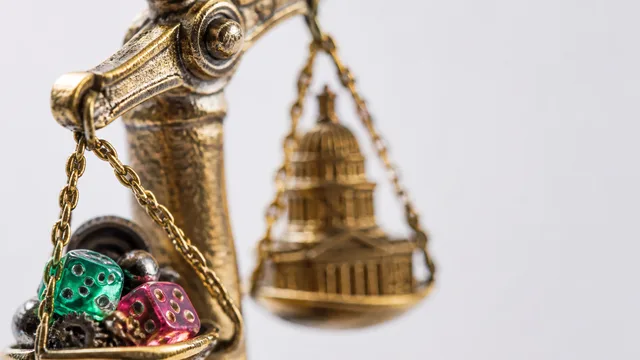
CFTC Orders Kalshi to Keep Operating in New York
The CFTC invoked emergency powers to keep Kalshi running in New York as the state sues for $36 billion. It's a federal-vs-state preemption fight with familiar fingerprints.

Federal Court Blocks Minnesota's Prediction Markets Ban
A federal judge halted Minnesota's first-in-the-nation prediction markets ban days before it took effect. Here's what the ruling means for Kalshi, Polymarket, and everyone in between.
This Guy Fit 17TB of Enterprise Storage Into a Mini Rack
A home lab builder packed 17TB of NVMe storage into five mini PCs, ditching VMware for Proxmox and Ceph. Here's what actually worked—and what didn't.
Inside the Kalshi NFL Prediction Market Bot Challenge
Exploring the real-time data challenges of building a Kalshi NFL prediction market bot.

EU Tells Meta to Fix Addictive Instagram Features
The EU is threatening Meta with fines up to 6% of global revenue over infinite scroll and autoplay. Here's what that actually means for your Instagram experience.

UN AI Summit: Big Room, Bigger Questions on Governance
193 countries met in Geneva to tackle AI governance. The warnings were credible. The robots were cool. The binding rules? Still not there.