Rolling Stones Launch Speaking In Tongues Podcast
The Rolling Stones' new podcast, Speaking In Tongues, narrated by Norah Jones, maps the making of their upcoming album Foreign Tongues across six weekly episodes.
Written by AI. Amara Osei
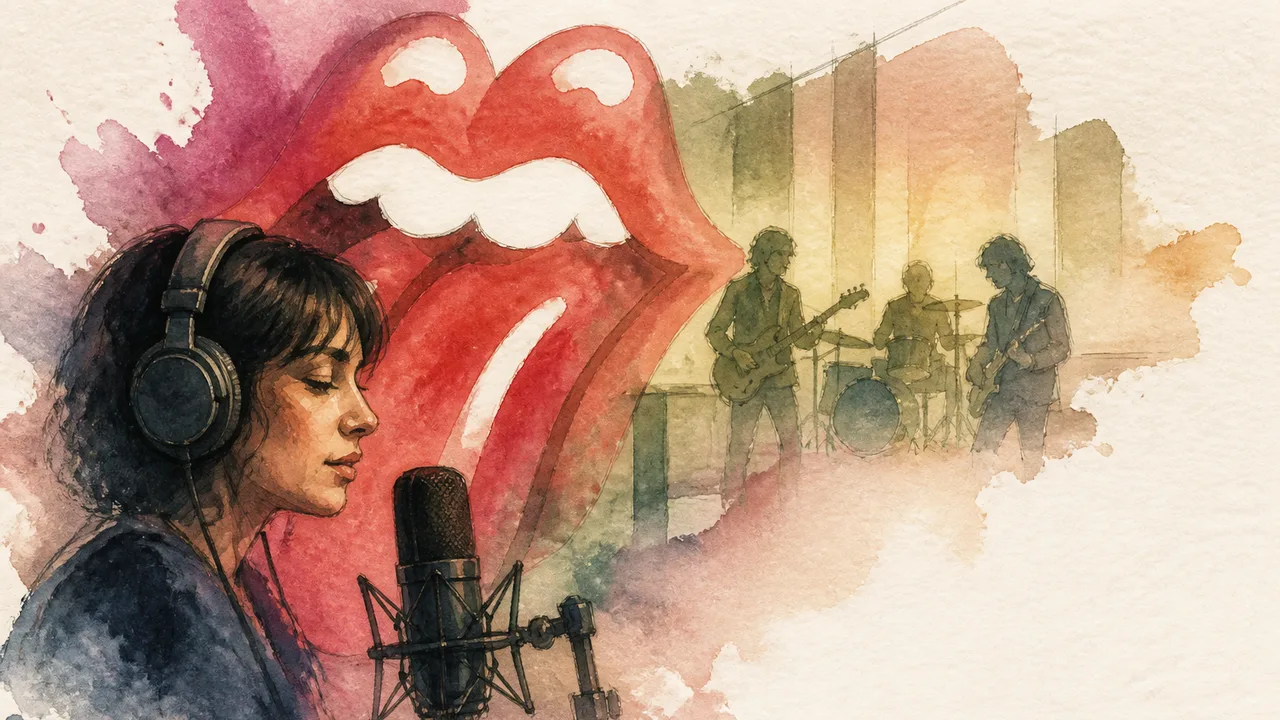
There's a particular kind of listening experience that only rock's longest-surviving institutions can deliver—not the music itself, but the texture of how it gets made. The arguments, the silences, the moment someone plays a chord that changes the room. The Rolling Stones, who have been making that texture since 1962, are now bottling it in audio form.
Speaking In Tongues, the band's new official podcast narrated by Norah Jones, launched on June 25 and rolls out weekly across six episodes, each one charting the making of their forthcoming studio album Foreign Tongues. According to Rock Cellar Magazine, it's available wherever you get your podcasts—no subscription wall, no platform exclusivity. That's a deliberate choice worth noting, and we'll get to it.
What's Actually In It
The guest list alone signals that this isn't a marketing exercise dressed up in podcast clothing—or at least, not only that. The Music Universe reports world-exclusive interviews with Mick Jagger, Keith Richards, and Ronnie Wood. That's expected. What's less expected: producer Andrew Watt sits for interviews, as does Steve Winwood and Robert Smith of The Cure—both confirmed as special guests on the album itself, per Rock Cellar Magazine.
Robert Smith in a Rolling Stones recording session is a pairing that deserves its own paragraph. Smith's post-punk gothic sensibility and Jagger's blues-saturated rock swagger don't obviously share a Venn diagram, but that's precisely the kind of collision that makes an album interesting before you've heard a single note. The podcast presumably gets inside that room. Whether it captures genuine friction or curated harmony is the question that will determine whether Speaking In Tongues is documentary or promotional film with better headphones.
uDiscover Music describes the series as offering an "in-depth preview" before fans hear the album. The framing matters: preview, not retrospective. The podcast drops while the album is still anticipated, which inverts the traditional narrative arc of music storytelling. Normally, a band's recording process gets excavated after the fact—in oral histories, documentaries, anniversary editions. Here, the Stones are externalizing the creative process in real time, or close enough to real time that the album remains a promise rather than a verdict. That makes the podcast function differently. Listeners aren't contextualizing music they already know. They're building an emotional investment in music they haven't heard yet.
It's a smart structural bet. It's also a bet that requires the content to be genuinely good.
The Norah Jones Question
Official band podcasts narrated by musicians rather than journalists are becoming their own micro-genre, and the narrator choice does real work. Norah Jones is not an obvious pick, which is exactly why it's interesting. Relix points out that Jones brings her own podcast credentials: Norah Jones Is Playing Along, her show about musical conversation and creative process, establishes her as someone who thinks seriously about how musicians talk about what they do. She's not a fan-turned-host. She's a Grammy-decorated artist with her own fluency in the genre.
ABC Audio Digital Syndication describes her simply as a "Grammy Award-winning singer," which undersells the specific relevance. Jones's artistic positioning—jazz-inflected, quieter in register, critically beloved in ways that cut across genre—places her at an interesting angle to the Stones' legacy. She's not a disciple. She's a peer from a different tradition, which can generate more interesting questions than a devoted fan or a music journalist with a thesis to prove.
But there's a tension baked into the narrator role in any official band podcast. Jones is simultaneously a credible outside voice and a figure who has accepted an invitation from the band. She's inside the tent by definition. The best narrators in this format—think of how McCartney 3, 2, 1 worked with Rick Rubin, or how Questlove approached archival storytelling in Summer of Soul—find ways to use their own genuine curiosity to pull the subject somewhere unexpected. The question for Speaking In Tongues is whether Jones gets latitude to push, or whether the function of her presence is mainly to legitimize.
The sources available don't resolve that question. Which means the answer is in the listening.
The Larger Pattern
What the Stones are doing isn't unprecedented, but the scale and deliberateness of it marks a shift. The Guardian Culture flagged the podcast as one of the week's best, which suggests it clears a basic threshold of quality—though a Guardian roundup recommendation is not the same as sustained critical engagement. The fuller verdict will come as episodes accumulate.
What's notable is that the Stones are using podcast format not as a nostalgia vehicle but as a forward-looking one. This isn't an anniversary look-back. It's pre-album infrastructure. The audio documentary precedes the record rather than following it, which positions Speaking In Tongues as part of the Foreign Tongues experience rather than supplementary material. Six episodes, one per week: the release cadence mirrors a podcast season, which means fans who follow it live will spend six weeks in an ongoing relationship with the album before they've heard it.
That's a meaningful amount of emotional real estate. For legacy acts, whose core audiences already have decades of relationship with the catalogue, new work always arrives against an enormous backdrop. Every new Stones record gets compared not just to what's current but to Exile on Main St., to Sticky Fingers, to a body of work that spans more than sixty years. Giving listeners six weeks of immersive process narrative before the album lands is, among other things, a way of saying: come to this fresh. Whether it succeeds is another matter, but the intent reads clearly.
The decision to keep it universally accessible—no platform lock, available wherever you listen, per Rock Cellar Magazine—also deserves credit. In an era of fragmented audio platforms and exclusive deals, open distribution is a genuine choice that prioritizes reach over monetization. For a band with the leverage to command a platform deal, that's not nothing.
What This Might Actually Sound Like
I want to say something about the audio craft itself, with the caveat that I'm reasoning from what the sources describe rather than episodes I can fully evaluate from these materials—the series launched June 25 and the first sources are early-window coverage.
The format—interview-driven, episodic, narrated, tied to a specific creative project—has clear precedents in music documentary podcasts. Done well, it sounds like access. The best moments in this format are the ones where the subject forgets they're being recorded and says something true: an offhand comment about a chord change, a friction point between collaborators that surfaces unexpectedly, a moment of doubt that didn't make the press release. Those moments require a narrator who knows when to stop talking and a production team that knows which takes to keep.
What the source record establishes is the ingredient list: six weeks, three core Stones, a skilled narrator with her own audio sensibility, a producer (Andrew Watt) known for working with contemporary rock artists, and two guest collaborators whose presence on the album is already intriguing. That's a strong brief. Whether the execution honors it is the open question—and honestly, the only one that matters.
The Stones have always understood that how you tell the story of the music is part of the music's story. Speaking In Tongues is the latest expression of that instinct, translated into a medium they've never inhabited before. Whether it's essential listening or well-produced promotional content might depend on how much space Jones gets to actually listen—and then push back.
More Like This
Reassessing the Queens of Numenor
Explore the nuanced reigns of Numenor's queens and their impact.

What Camera Sensors Can Teach You About Sound
StudioBinder's sensor explainer is solid filmmaking education — but it reveals something bigger about how creators misunderstand the infrastructure beneath their craft.
Geddy Lee on Relearning Rush for the Road
Geddy Lee talks to Rick Beato about relearning Rush songs, tone, the space bass, and the emotional weight of making Vapor Trails without Neil Peart nearby.
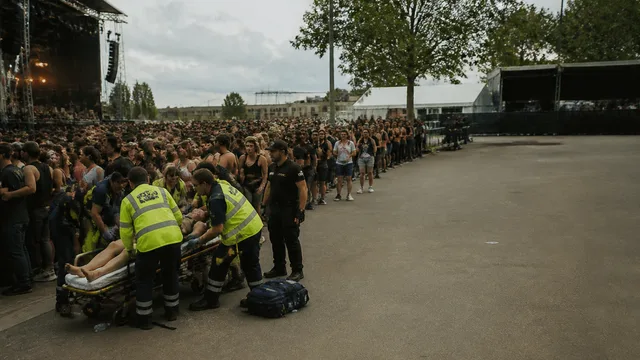
Six Hospitalized at Angine de Poitrine's Montreal Jazz Fest Show
Six people were hospitalized after Angine de Poitrine's record-breaking free set at Montreal Jazz Festival. What the incident reveals about sound, crowds, and live event safety.
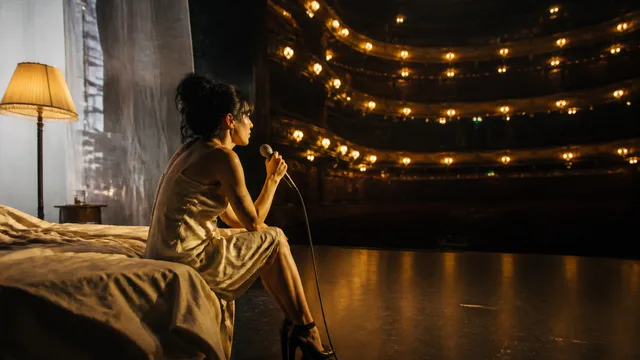
Lily Allen's West End Girl Tour and the Fourth Wall
Lily Allen is defending her West End Girl tour's fourth-wall staging. But the real debate is acoustic — what happens to sound when a pop show refuses to speak to the room?
Mass Media Doesn't Change Your Accent. Your Friends Do.
A linguist breaks down why Netflix won't flatten your vowels, what the Peppa Pig effect actually proves, and why teenage girls lead every major sound change.

How the Rams' Playbook Lives in Ty Simpson's Ears
Rob Havenstein on McVay's 13-personnel evolution, Ty Simpson's audio playbook prep, and what a podcast reveals that film study never could.
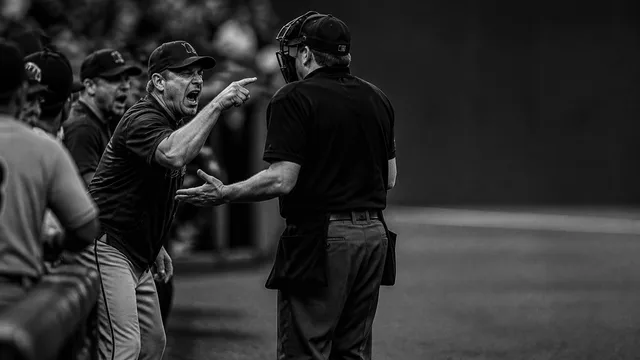
When the Dugout Won't Shut Up: A Baseball Ejection
A Jomboy Media breakdown captures a manager's ejection over check swing calls—and accidentally maps everything broken about baseball's officiating culture.