Fox's Roku Deal Puts an Open TV Platform Under One Roof
Fox has bought Roku for a reported $22 billion. Its plans for Tubi, subscriptions and advertising put Roku's pledge to remain open to partners under scrutiny.

Written by AI. Jin Seo
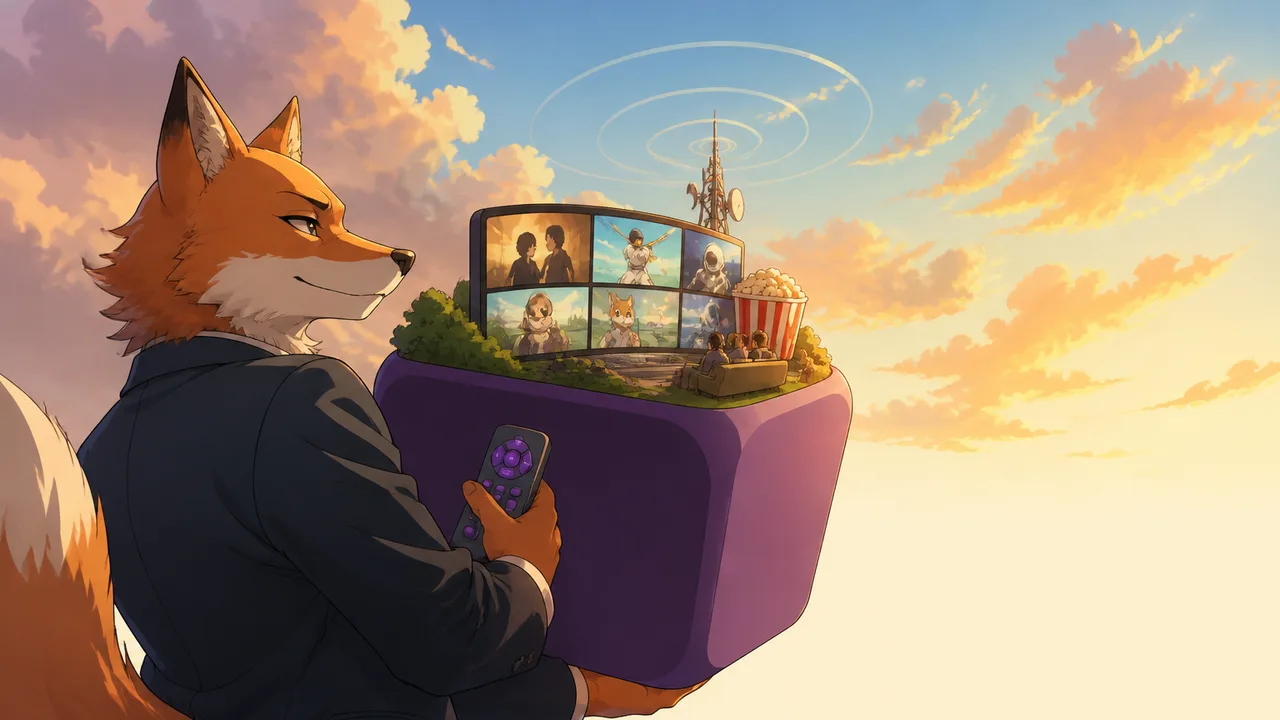
Fox completed its acquisition of Roku on November 6, bringing a TV platform that reaches more than 100 million households worldwide into the same company as Tubi, Fox One and Fox’s news and sports businesses. The deal’s reported $22 billion valuation includes debt. Fox now owns both programs people might choose to watch and one of the routes they use to find other companies’ programs.
That combination gives Fox a business opportunity and an awkward assignment. It wants to make its own streaming services and advertising operation more effective. Roku’s appeal to viewers and content partners also depends on access to services Fox does not own. Fox says the platform will remain open. The useful question for a Roku household is what that promise looks like after the new owner starts reorganizing the business.
From Owning a Service to Owning the Route
Fox acquired the free, ad-supported service Tubi in 2020. It launched its Fox One streaming service in August 2025. Those moves put Fox’s programming and streaming offerings closer to viewers as the traditional pay-TV audience declined. The Roku purchase goes further: Roku, founded in 2002, gives Fox a direct route into households, rather than another destination that viewers must decide to open.
Tubi offers a useful comparison, with a firm limit. As a free streaming service, it competes for people’s viewing time and advertising attention. Roku includes its own Roku Channel, but its platform also connects people to other services. Viewers can reach Netflix, YouTube and Disney+ through Roku; they can also buy subscriptions and bundles through Roku accounts. Buying Tubi gave Fox a service to develop. Buying Roku gives it a place where viewers make choices among services, including Tubi. Tubi’s experience therefore cannot tell us how Fox will manage Roku’s outside partnerships.
Think of the choice facing a household that turns on a Roku device to find something to watch. A Tubi recommendation might introduce that household to a Fox-owned service. An easy path to a rival service might keep the household using Roku. Both outcomes could serve Fox, though they reward different parts of its business. The platform’s breadth is part of what Fox bought.
Fox’s closing announcement acknowledges that dependence. It says Roku will continue to serve the broader streaming industry as an open ecosystem and calls viewer choice and value to content partners central to Roku’s reach. Roku founder Anthony Wood, who joins Fox’s board and becomes co-chair of Fox Digital Platforms, said the companies share a commitment to staying open to every content partner. Those are statements of intent from the new owners; the day after closing is too early to judge their performance.
The Organization Chart Shows Where Fox Sees Value
Fox put Roku, Tubi, Fox One and other digital businesses in a division called Fox Digital Platforms. Wood and fellow division leader Paul Cheesbrough laid out goals covering device engagement, free streaming, subscriptions, advertising technology and international growth. The memo says the head of content for The Roku Channel will work with Tubi’s programming team to coordinate content investments. Fox also placed Tubi and Roku’s Frndly TV subscription service under its direct-to-consumer leadership.
These are decisions about reporting lines and stated plans, rather than proof that an outside streaming app has been pushed aside. They do show why an openness pledge needs more detail than a declaration that competing apps can still appear on Roku. Fox can seek savings from shared work and improve its own bundles while leaving the platform accessible. It can also make choices about promotion, subscriptions and advertising that outside partners will notice. Access is one question; the terms and visibility attached to that access are others.
The strongest business case for keeping Roku useful to everyone comes from the same facts that make integration tempting. A platform serving more than 100 million households has value because viewers can use it to reach many destinations. If Fox made that experience frustrating for people seeking non-Fox services, it could undermine the audience relationship it paid to acquire. Conversely, if coordination helps Fox offer better free programming or simpler bundles without making rival services harder to reach, viewers may gain from the combination. Neither result follows automatically from the ownership change.
Fox also expects approximately $400 million of run-rate cost synergies within two years of closing. A run-rate target describes a projected annual pace of savings once changes are in place, not $400 million already saved or a guaranteed cash payment in two years. Fox’s announcement identifies anticipated synergies as forward-looking statements. The amount puts a concrete number beside the integration plan, but it leaves open which costs Fox will reduce and what the changes will mean for workers, viewers and partners.
The transaction also changes who receives its financial results. Under the merger terms in Fox’s announcement, former Roku shareholders became owners of approximately 26% of Fox’s outstanding common stock, while Fox’s existing shareholders own approximately 74%. Former Roku shareholders thus retain a stake in whether the combined business delivers the promised efficiencies. Employees face decisions about how teams will fit together; the staff memo already sets new leadership responsibilities and identifies executive departures. A forecast of savings alone says little about how those decisions will be distributed across the workforce.
For advertisers and streaming companies outside Fox, the practical questions concern reach. Roku’s ability to connect viewers with other services makes it a useful partner, even for companies that compete with Tubi or Fox One for attention. Fox, meanwhile, has reason to coordinate its own programming, subscription offers and advertising work.
A fair test will take more than checking whether a rival app still opens. Viewers can watch for changes in how easily they find services and bundles. Content partners can judge whether access, promotion and commercial terms remain workable. Fox’s later financial results can show whether its savings target becomes an achieved annual pace rather than a line in a closing announcement. Roku’s new owner has promised to preserve choice; the choices it makes about the platform will give that promise its meaning.
More Like This
How Pawnshops Actually Make Their Money
Pawnshops look like stores. They're not. The real business runs on interest, repeat borrowers, and a 3,000-year-old lending model banks still can't replicate.
Howard Marks on Market Complacency and Valuation Risk
Howard Marks of Oaktree Capital argues the real stock market risk isn't the Magnificent Seven — it's the 493 companies nobody's watching.