Demystifying Claude Code: Planning and Execution
Explore Claude Code's tools for precise AI coding with insights from Greg Isenberg's interview with Professor Ras Mic.

Written by AI. Jonathan Park
In the realm of AI development, where the promise of automation often meets the hard wall of reality, Claude Code emerges as a tool aiming to bridge that gap with precision. Greg Isenberg's recent conversation with Professor Ras Mic sheds light on how aspiring developers can navigate this landscape without getting lost in the weeds.
The Power of Precision: Inputs and Outputs
"However good your inputs are will dictate how good your output is," Professor Ras Mic asserts, underscoring a fundamental truth in AI development. This isn't just about getting the syntax right; it's about framing your project in such a way that the AI understands exactly what you want it to build. The analogy here is straightforward: treat AI agents like junior engineers—if your instructions are muddy, expect the output to be equally unclear.
From Vague Ideas to Concrete Features
The shift from "Here's my app idea" to "Here are the features I need" is crucial. Ras Mic emphasizes thinking in terms of discrete features rather than broad product descriptions. This approach not only clarifies what needs to be done but also allows for more effective use of AI tools to accomplish specific tasks. "A lot of times people will describe a product, not describe features, and will be frustrated with AI," Ras notes.
The Ask User Question Tool: Going Beyond the Basics
One standout feature of Claude Code is its Ask User Question Tool. This isn't just about ticking boxes; it's about engaging in a detailed interrogation of your project's needs. As Ras explains, the tool "interviews you about the specifics of your plan," forcing you to consider UI/UX decisions, technical constraints, and cost management—elements that could otherwise derail a project if overlooked.
While the video doesn't provide a direct source for this tool, it's clear that its utility lies in its ability to transform a nebulous idea into a roadmap that leaves little to chance. This aligns with the broader trend in software development where upfront planning pays dividends in execution.
Ralph System: Walk Before You Run
The Ralph system introduces automation loops that can expedite development. However, both Greg and Ras caution against jumping in without first getting your hands dirty. "Imagine not knowing how to drive, but then buying a Tesla for the self-driving stuff," Ras quips. The metaphor is apt: understanding the fundamentals of coding and project management is essential before relying on automation to handle the details.
Ralph loops work by automating tasks based on a list of requirements, but without a solid plan, they risk accelerating mistakes rather than preventing them. This makes the initial investment in a detailed PRD (Product Requirement Document) all the more critical.
Taste and Audacity: The 2026 Differentiators
Looking ahead, Ras and Greg agree on one thing: technical prowess alone won't cut it in 2026. The software that stands out will be the product of bold choices and a keen sense of design. "In 2026, 'audacity + taste' is what makes software stand out," Ras predicts. It's a reminder that while tools like Claude Code can facilitate development, creativity and vision remain irreplaceable.
In an era where AI coding agents are becoming increasingly sophisticated, the conversation with Ras Mic offers a roadmap for aspiring developers. By emphasizing planning, precision, and a commitment to understanding the tools at their disposal, developers can navigate the complexities of software development with greater confidence.
More Like This
Rebuilding Intercom: Eoghan McCabe's AI Gamble
Eoghan McCabe's bold pivot to AI, risking $60M, reshapes Intercom's future.

iGaming Retention: Loyalty in a Shifting Landscape
Explore how iGaming retention strategies adapt to shifting player behaviors and tighter regulations.
How Prayer Lock Hit $20K Monthly: Lessons from Mau
Explore how Mau's Prayer Lock app reached $20K/month by focusing on innovative marketing and AI-driven development.

Alibaba's Accio: E-Commerce Game Changer
Explore Alibaba's AI Accio—simplifying e-commerce with trend spotting, product design, and supplier sourcing.
Why Product-Market Fit is the Entrepreneur's True North
Explore why product-market fit is vital for business success and how to achieve it.
AI's Transformative Role in Modern Workplaces
Discover AI's potential as a strategic partner in today's evolving workplace dynamics, as discussed by Relay.app CEO Jacob Bank.

ENGO Raises €5.1M to Scale AR Sports Glasses
Grenoble startup ENGO has raised €5.1M to expand its lightweight AR glasses for athletes. Here's what the funding tells us about the wearable tech race.
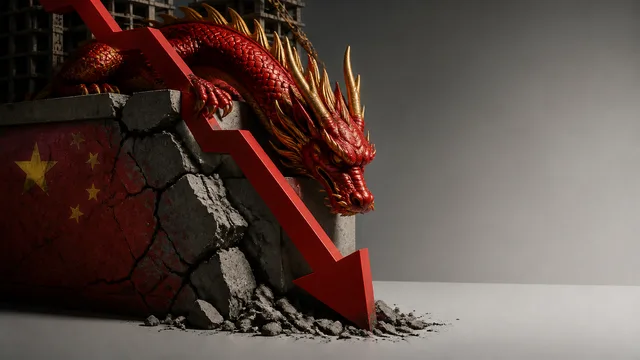
China's Economy Grew 4.3% in Q2, Its Slowest Since 2022
China's Q2 2026 GDP grew just 4.3%, its weakest since the COVID lockdowns of late 2022. Here's what the numbers reveal about the structural cracks underneath.