Delta One's New Dining Arrives Before Its New Suites
Delta is refreshing Delta One meals and amenities before new suites arrive. The rollout schedule, aircraft plans and VIP transfer rules matter when choosing a flight.

Written by AI. Mariel Fontaine
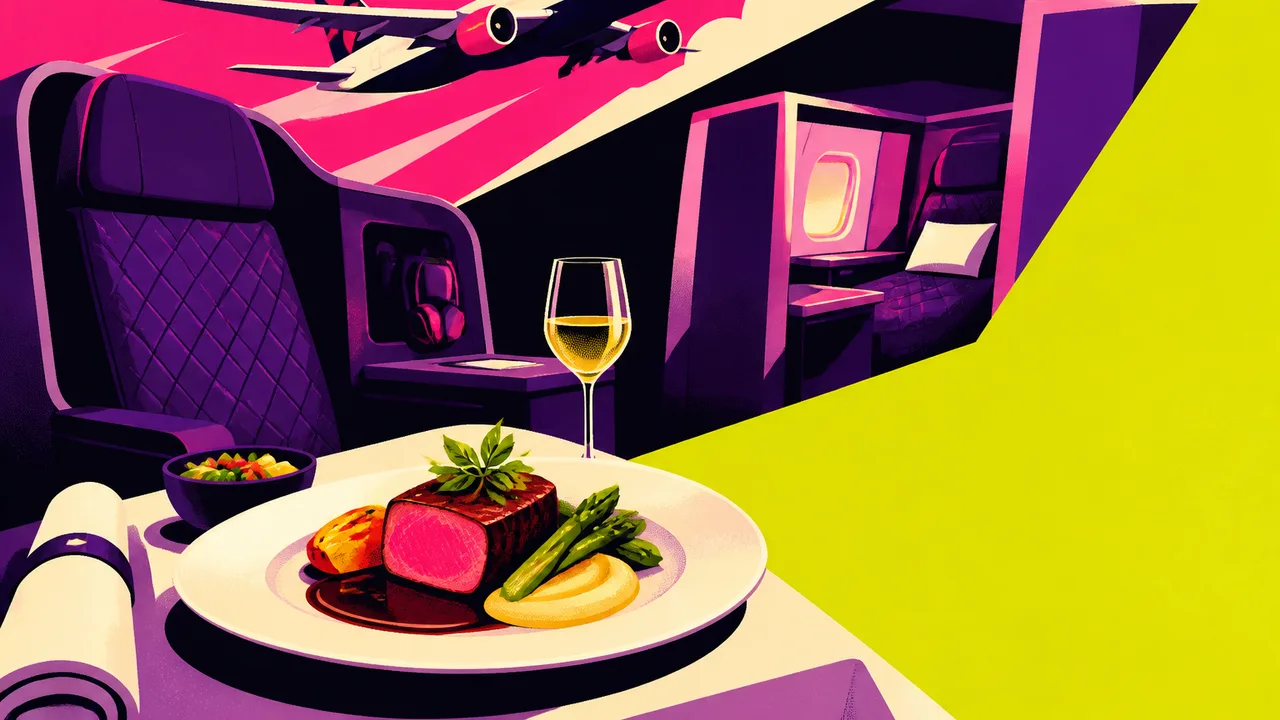
Delta Air Lines announced a Delta One refresh on October 14 that reaches from the dinner tray to the aircraft seat, but those changes will arrive on different schedules. New meals and cabin amenities are due to appear first on selected flights. Redesigned suites are planned for aircraft entering service next year. An expanded Porsche transfer fleet serves a narrower group still: customers using a VIP add-on.
That makes the useful question for a traveler more precise than whether Delta One has been upgraded. It is which part of the upgrade applies to a given flight, on a given date. A new menu can reach an existing cabin well before the aircraft assigned to that route gets a new seat.
The dining changes include a Wagyu beef burger, Hong Kong-style sea bass and Champagne Taittinger poured over sorbet. Delta also plans new tableware and Missoni amenity kits with Bombas socks. Its wine program includes 13 wines from 11 winery partners; Dassai 45 sake is planned for flights to and from Tokyo-Haneda. Those details give the refresh its photographs and headlines. The sequence of its introduction tells passengers more about what they can book.
A Service Rollout, Then an Aircraft Rollout
Some new items are expected on flights originating in Los Angeles later in October. The revamped Delta One service is scheduled to begin November 2 on selected long-haul Los Angeles routes, including flights to Auckland and Brisbane. The plans describe an expanding service rollout during 2027, with changes due on some domestic Delta One flights in February and a wider global rollout in March. These are plans for the onboard service, not a promise that every aircraft will have a new suite by then.
There is a practical difference between changing what crews serve and replacing the seat bolted to the floor. Delta plans to introduce its next-generation Delta One suite with the first Airbus A350-1000 aircraft it flies early next year. The airline also intends to install the suite on older A330-200 and A330-300 aircraft through a retrofit program. The proposed seat has a longer bed, a built-in mattress pad and a larger entertainment screen. The aircraft introduction and the retrofit are separate undertakings, so the service rollout cannot stand in as a timetable for either one.
For someone considering a premium fare, that creates two checks rather than one. First, is the new service scheduled for the route and travel date? Second, what aircraft and seat are being offered on the itinerary? Even a planned aircraft assignment is a description of a booking, rather than a guarantee that operations will never change. Delta has named aircraft types for the new suites, but a Delta One cabin label by itself does not identify which version of the seat a passenger will encounter.
The food has its own route-specific qualifications. The sake, for example, is designated for Tokyo-Haneda flights. A global menu announcement should not be read as an identical drinks list on every flight. It is also a useful way to avoid paying for an imagined bundle of features.
Why Delta is Joining the Pieces Together
Delta's premium-cabin development predates this announcement by decades. Its Business Elite class debuted in 1998; private suites came later. The airline opened its first Delta One Lounge in New York two years ago and has since expanded that lounge concept. In that sequence, the October announcement looks like another attempt to make the ground and onboard portions of a high-priced journey feel connected: dining and amenities can change while Delta waits for new aircraft and retrofits.
Ranjan Goswami, Delta's chief marketing and product officer, told The Points Guy that the service work was intended to bring greater consistency between the lounge and the aircraft. That is a coherent aim from the airline's perspective. A passenger leaving a dining-focused lounge may notice the gap if the onboard meal feels like a different product. Whether the revised food, linens and glassware deliver the consistency Delta wants will depend on execution in flight, not on the names on the menu.
The Porsche expansion is another part of Delta's premium investment, with a different eligibility rule. Delta plans to grow its fleet of hybrid Porsches used for transfers to aircraft from 40 to 70 across 15 airports by 2028. Demand for the service had risen beyond what the existing fleet could handle. The transfer is part of a VIP add-on option; buying a Delta One seat alone does not make it part of the onboard refresh.
That distinction also puts Delta's spending in perspective. More cars may improve capacity for eligible VIP customers, but the fleet figure says nothing about how often any individual traveler will receive a transfer. Delta announced no accompanying changes to its coach or premium-economy cabins. The investment is concentrated at the expensive end of the aircraft and, for the car service, beyond the ordinary cabin entitlement.
United offers a useful comparison, provided the products are kept distinct. Its newer Polaris offering includes larger Polaris Studios in front and bulkhead rows, paired with amenities including caviar and Champagne Laurent-Perrier Cuvée Rosé. Delta is also combining suite design with conspicuous food and drink choices. But United's Studios occupy designated rows within its business-class offering, while Delta has announced no equivalent extra-elevated studio tier. Calling the two menus or suites a head-to-head contest would skip over differences in seat categories, aircraft and availability.
The comparison shows how an airline can invest in both a physical seat and the service around it, then divide the result among passengers differently. It does not establish which cabin is better. A traveler comparing itineraries needs the aircraft, seat type, route and fare inclusions in front of them; Champagne brands cannot answer those questions.
Delta's latest package gives passengers several possible improvements to look for, on several timetables. For a Los Angeles departure this autumn, the first relevant change may be dinner. For a later flight on an A350-1000, it may be the bed. The Delta One name covers both trips; the itinerary determines which announcement has reached the passenger.
More Like This
Delta's 2026 Profit Bet Rides on High Airfares Holding
Delta reaffirmed its 2026 earnings forecast despite fuel volatility—but the plan depends on keeping fares high for customers it says can afford it.

Basic French Phrases That Help Tourists in France
A handful of French words can shift how locals treat you in France. Here's what actually matters, and why the effort carries more weight than fluency.

Romania Travel: What Visitors Love and Struggle With
From Carpathian forests to chaotic mountain roads, Romania rewards patient travelers. Here's an honest look at what works and what doesn't.