Deadlock's Steam Record Meets an Unfinished, Invite-Only Beta
Deadlock hit a Steam peak of 228,086 players after City Never Sleeps. Its invite-only beta still has core work ahead, with six heroes due to roll out.

Written by AI. Lily Tsai
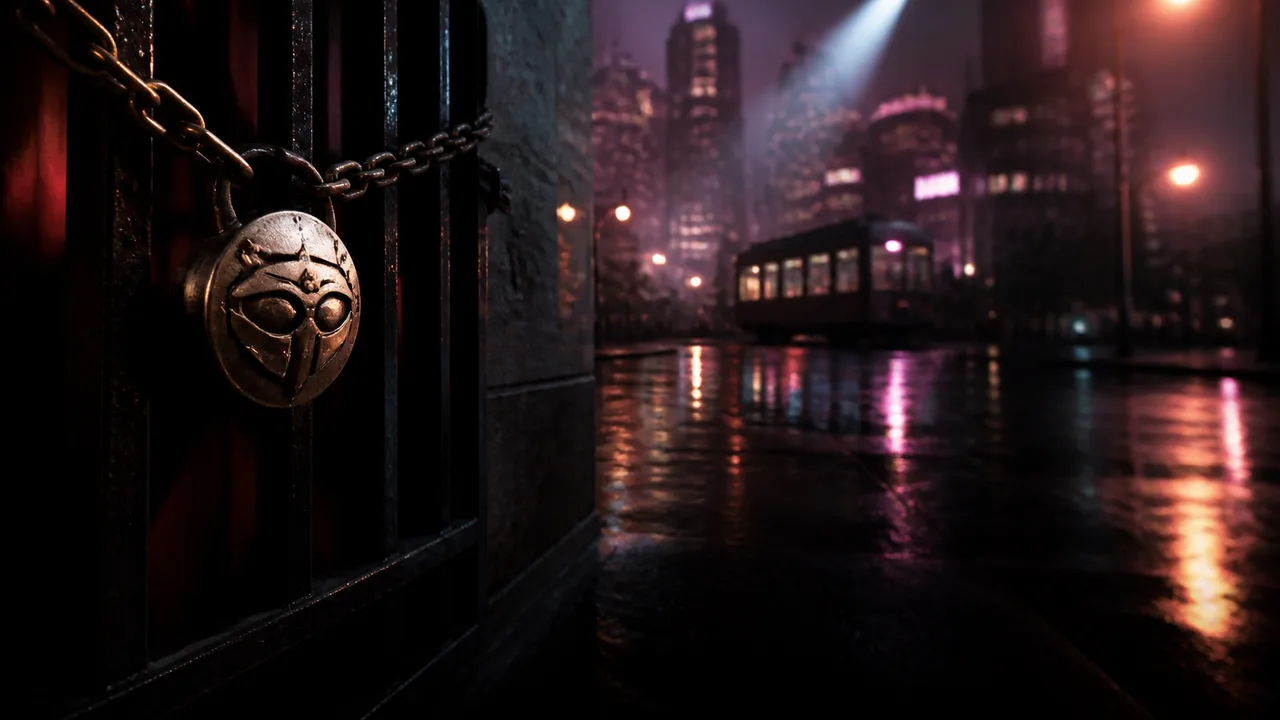
Valve’s Deadlock reached a new Steam high of 228,086 concurrent players after City Never Sleeps arrived on September 29, a figure Eurogamer attributed to SteamDB. The beta still requires an invitation. On its busiest recorded day, a remarkable number of people who could get into Deadlock chose to be there at once. Everyone still waiting for an invite was absent from that count.
The update gives those players plenty to investigate. Valve redesigned the game’s New York-inspired map, The Cursed Apple, added objectives and changed the interface. It also more than doubled character interaction lines. Six new heroes are part of a vote-based rollout, but they did not all arrive with the September 29 patch: the first hero release is scheduled for Friday, October 2, followed by releases on Tuesdays and Fridays. The map and interface are available to learn now; players will meet the newcomers over the following weeks.
A City Built for Another Look
The map overhaul reaches into decisions players make during a match. The Cursed Apple now gives its lanes distinct identities, with Broadway, Greenwich and York alongside smaller districts including Chinatown and the Haunted Lot. Its districts have themed PvE enemies. A purple-mist area offers crates and enemies to fight while draining stamina and limiting hearing. In Chinatown, a bell announces when someone is using a tower to gather resources. The city offers rewards and then, with admirable lack of subtlety, tells your opponents where to find you.
New strategic points, map objectives and a vendor called the Broker sit alongside the visual and UI changes. Health bars and ally indicators have received attention too. For someone relearning the map, information on the screen and information in the environment both affect whether the new city feels legible. A bell can warn opponents about a tempting detour; a clearer indicator can help an ally recognize trouble. Those changes meet in the middle of a match, where a player has to act on both.
The hero rollout gives players another job besides learning new routes. Voting in the pregame lobby influences the order in which the six newcomers arrive. A winning team gets double votes, with another doubling for a player’s first win of the day. The arrangement asks people who already have access to help choose what the community tries next. It also gives frequent players more opportunities to take part than people who cannot join a match, including those outside the invite-only beta. That is a feature of this test’s boundaries, not a measure of what every prospective Deadlock player wants.
A map redesign offers an immediate reason to return; successive hero releases will offer fresh choices on later days. The record captures the first rush, before that sequence has played out. Players can explore the redesigned city now and, in keeping with Valve’s stated reason for inviting them in early, offer feedback as new characters enter it. Whether those later matches keep the same crowd interested remains open.
Eight Months After Old Gods, New Blood
City Never Sleeps follows Old Gods, New Blood by more than eight months. Valve says that after the earlier update it still had substantial work to do on the core game before moving into later polish. The studio also says its previous updates were more narrowly focused, whereas this year it has worked on several areas in parallel. A changed map, new objectives, heroes and interface work arriving under one update name make more sense in light of that shift. Valve’s account explains its approach; it does not tell us whether parallel work gets the game finished faster.
Valve has given a reason for letting people into an unfinished multiplayer game. The studio says early access lets players help shape it and reduces the risk of developing without their input. City Never Sleeps creates a demanding version of that arrangement. A player encountering a new district, a revised objective and a different readout in one match can judge how those pieces fit together. My read is that the update gives Valve a chance to learn about their interaction, alongside reactions to each individual change. A large turnout creates opportunities for that feedback; the Steam peak alone cannot show what players thought.
The vote makes that relationship more concrete. Players have a say in which hero arrives first, while Valve controls the pool of six and the release schedule. Someone voting for a character may be thinking about a playstyle, a team composition or simply a tea-drinking Baba. That choice is participation in the beta, though it should not be mistaken for control over the rest of the development plan. People without invitations cannot cast votes in those lobbies. The same gate that lets Valve test with an active group leaves out people who may eventually need to understand the city from scratch.
Valve says it wants to change progression and customization for heroes and the hideout before full release. The studio describes larger item changes and alternate modes as speculative, depending on playtesting. Changes to Midboss, Guardians and Walkers remain on its list; Valve says some of that work is better understood and can come later. These are stated priorities rather than a release calendar, and Deadlock has no announced full-release window.
That unfinished work gives the peak its proper scale. More than 228,000 simultaneous players gathered around a changing game that most people still cannot enter freely. Concurrent players measures who was in-game at one moment; it cannot count the people who stayed afterward or those who might join if access opens wider. The number does show that City Never Sleeps brought a substantial invite-holding audience together. Its longer test is happening across the revised districts and the scheduled hero releases, one match and one vote at a time.
A crowded test day can leave a developer with questions as well as a flattering chart. Will the bell still make that Chinatown reward a worthwhile risk once players know every route? Will the new indicators help teammates read a fight while unfamiliar heroes join it? Valve has put those decisions in front of players before settling the game’s remaining systems. The next trip through the Cursed Apple will have more to say about that work than its busiest moment alone.
More Like This

Steam's Australian Credit Card Age Check Locks Out Adult Players
Steam's Australian age check now requires a credit card and nothing else. Millions of adults lack one, and players are angry about being locked out of R18+ games.

PlayStation Killing Discs Will Reshape Game Pricing
Sony ends disc production in 2028. Analysts warn of higher prices and less consumer choice — with indie devs among the most exposed to platform control.
Kojima's OD Survives Xbox's Sweeping Reset
Xbox is cutting projects and studios in a major reset, but Kojima's horror game OD stays safe. What does that tell us about where the platform is heading?