Dark Skies and Wildlife Draw Travelers to Rural Spain
Extremadura and Castile and León offer dark skies and wildlife tourism. Can visitors support rural livelihoods while protecting habitats and the peace they came for?

Written by AI. Priya Chandrasekaran
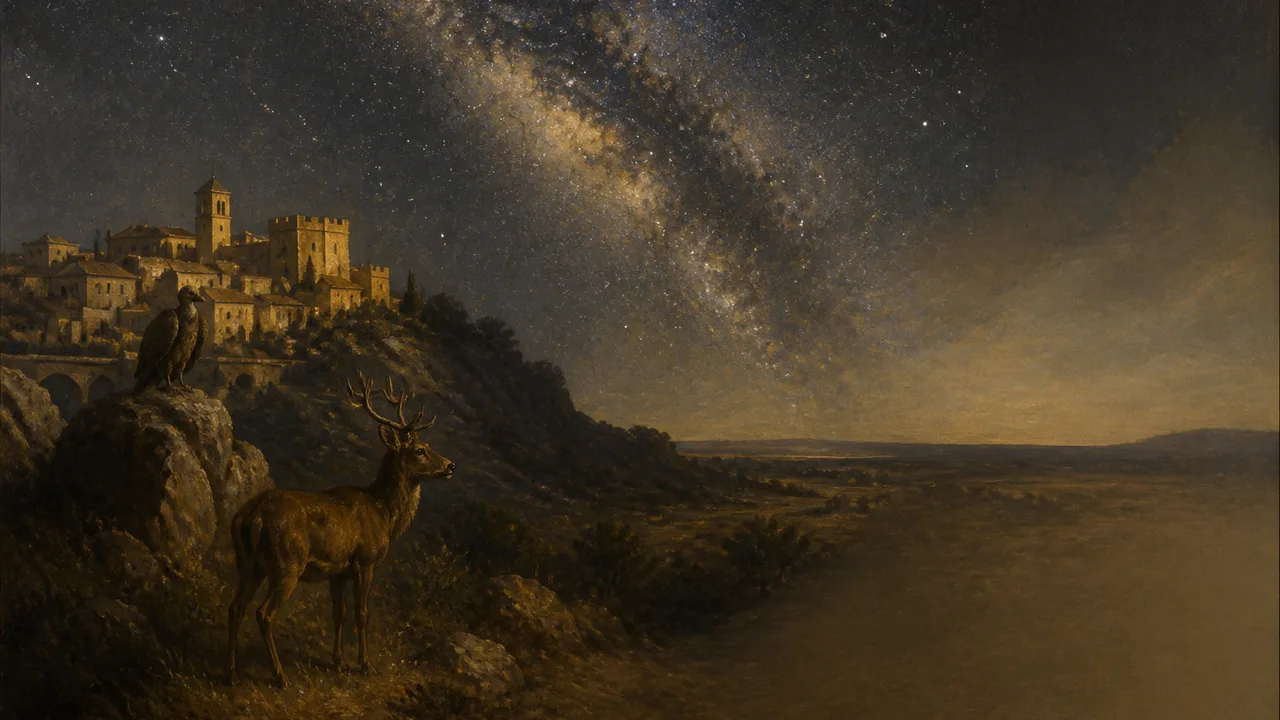
La Siberia, in Extremadura, appears on a route between stargazing sites in rural Spain. Its name carries a story about remoteness: workers laying the area's first roads and railways reportedly thought it felt far from everywhere, as a description of the route explains. A visitor might read that distance as a promise of darkness. For someone who lives there, the same distance can shape ordinary decisions about work, transport and access to services.
That gap between a visitor's pleasure and a resident's daily life runs through the growing interest in Spain's quieter interior. Extremadura and Castile and León offer sparsely populated landscapes, darker skies and lower prices than the country's busier tourist destinations. They also offer the possibility of seeing vulnerable wildlife, including lynx and wolves. The strongest case for traveling there is straightforward: a well-planned visit can pay local guides, accommodation providers and other businesses while giving visitors a reason to value habitat and darkness.
The word can carries the economic argument. A night under the stars does not, by itself, show who earned the booking fee, how much work stayed nearby or whether an animal was given enough space. Those questions turn a tempting alternative to Spain's coastal belt and major cities into a more demanding travel proposition.
What a Dark Sky Depends On
The appeal of stargazing is easy to grasp. Darkness changes what a visitor can see, and a sparse landscape offers a different pace from a brightly lit resort or city street. Yet a dark-sky trip still requires places to sleep, people who know where visitors may go, and a way to get home after nightfall. Its best-known attraction depends on keeping artificial light and disturbance under control.
That creates a practical tension. Visitors need enough guidance to find a suitable viewing site; promoting every good vantage point as a destination could concentrate activity in places valued for their quiet. Late arrivals, headlights and voices may trouble residents as well as wildlife. The brief evidence available here does not establish that such disturbance is occurring at any named site. It does establish a sensible question for anyone arranging a trip: how will a nighttime outing work for the people and animals nearby?
A locally run stargazing service has a potential advantage beyond its postcode. Someone familiar with a place can advise on appropriate access, timing and conduct, and may have a stronger reason to protect the conditions on which repeat visits depend. Local ownership alone proves neither good practice nor fair pay, however. Visitors can ask who leads the outing, where the group meets and what arrangements limit light and noise. Those answers say more than a photograph of a brilliantly dark sky.
Lower prices deserve the same scrutiny. They may make a trip possible for more people, but a cheap booking is not evidence that the people providing it earn enough. A traveler deciding between a brief stop and an overnight stay can consider which choice pays for local services. Even then, spending is only one part of the calculation: a longer stay has value to a community chiefly when its businesses and workers receive a share of it.
Wildlife Watching Without a Sighting Guarantee
Lynx and wolves give rural Spain's travel appeal a powerful focus. Their presence also makes promotional language risky. Neither animal owes a visitor an appearance, and a sighting cannot stand in for an assessment of conservation. Habitat, human activity and the interests of people who live alongside wildlife all extend beyond the edge of a photograph.
The two animals should not be treated as interchangeable stops on a single route. The available account identifies their presence across the areas under discussion; it does not show that any given lookout offers a realistic chance of seeing both. Anyone planning wildlife watching should check current local guidance rather than infer access or likely sightings from a regional description. A guide who sets expectations, keeps a distance and puts habitat ahead of a promised encounter offers something useful even if no animal appears.
That approach asks more of an operator than locating wildlife. Group size, where people wait and how they leave all affect an outing's footprint. The supplied material gives no figures on visitor pressure, species populations or the effects of tours at particular sites, so it would be misleading to declare wildlife tourism either a conservation success or a present threat there. The immediate standard is narrower: follow local rules and expert guidance, and never press closer to make the price of a tour feel justified.
Residents have a stake in how wildlife tourism develops, too. A person earning from guided visits may see opportunities that someone dealing with the daily demands of rural land use does not share. Neither perspective can be reduced to a slogan about saving the countryside. Decisions about access and benefits need room for people whose lives continue after the visitors drive away.
Following the Money Beyond the Viewpoint
Travel writing often calls this territory “Empty Spain.” The phrase can describe a visitor's impression of open space, but it is a poor ledger of who lives and works there. A landscape with fewer people can still contain households, farms and businesses whose needs differ from those of tourists. Remoteness may be part of a holiday's attraction and part of a resident's cost of doing business.
Consider the spending hidden inside an itinerary. A guided outing has a fee; an overnight stay needs a room; meals and supplies need sellers. The question is where each payment goes. A locally based guide who buys services nearby creates a different chain of spending from a package that merely uses a rural meeting point. No figures in the available sources measure those chains in Extremadura or Castile and León. Visitors can still ask who operates a tour and choose local providers when the answers are clear.
Food offers a useful check on vague promises of community benefit. Eating in a town, shopping at a local business or booking accommodation that serves visitors over several days may spread spending beyond the single moment of a wildlife sighting. None of those choices guarantees fair wages or solves the pressures facing a sparsely populated area. They make the claim that tourism helps local livelihoods more concrete, because a visitor can identify the business receiving the payment.
Nor should every business have to become a tourist attraction. People need room to run a shop, make a living and go about an evening without performing rural life for an audience. The same restraint that protects a viewing site can protect a village's ordinary routines.
Planning for the Place that Remains
For a prospective visitor, a responsible itinerary starts with questions rather than a checklist of species. Who runs the accommodation and tours? What local guidance applies to wildlife viewing and nighttime access? Can the trip be arranged without crowding a sensitive site or disturbing residents? Operators should be able to explain what they will do if conditions make an outing unsuitable, including the possibility of seeing no animal at all.
For communities considering tourism, the questions are broader. Can visits bring dependable income to local workers? Who manages access as interest grows? Will the people living beside a celebrated landscape have a say in how it is promoted? The sources available for this story offer no answers about income distribution or visitor numbers, and the appeal of dark skies should not be mistaken for proof that those questions have been settled.
La Siberia's distant-sounding name may bring a traveler to a map. What happens after arrival is a test of the whole trip: whether the guide, the place to stay and the decisions made after dark leave the people and wildlife of that landscape with more than a passing visitor's admiration.
More Like This

When the Kitchen Was Already an Army
A French military doctrine is being proposed for hotel kitchens. But Escoffier already militarized the kitchen in 1900. What changes when the orders stop?
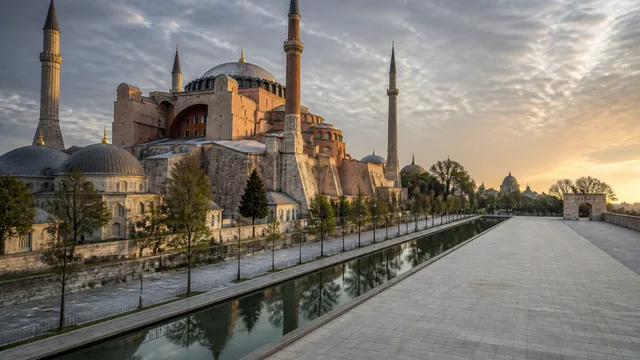
Istanbul's Layers: History, Faith, and Food
Rick Steves guides viewers through Istanbul's Byzantine ruins, Ottoman mosques, hammams, and tables. A food writer looks closer at what the camera catches and what it misses.
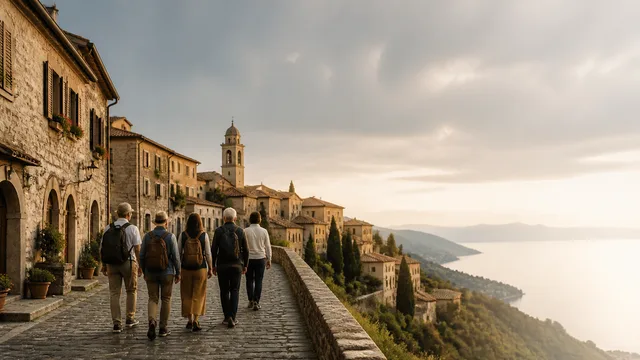
Small Group Italy Tours Are Reshaping Travel
Small group Italy tours promise authenticity over crowds. But do they deliver — and at what cost to the communities they claim to honor?
Hotel Loyalty Programs Court Gen Z With Concert Perks
Wyndham says Gen Z is nearly 10% of loyalty members. Concert perks may recruit young travelers, but cost, access and repeat stays will test the strategy.

Which "Untranslatable" Words Are Real?
From hygge to mamihlapinatapai, RobWords fact-checks the internet's favourite "untranslatable" words — and finds gems, exaggerations, and outright fiction.
A New Object in the Sky: The JetBlue Drone Strike
A JetBlue pilot reported hitting a drone on approach to JFK. What the incident reveals about airspace rules built before drones existed.